
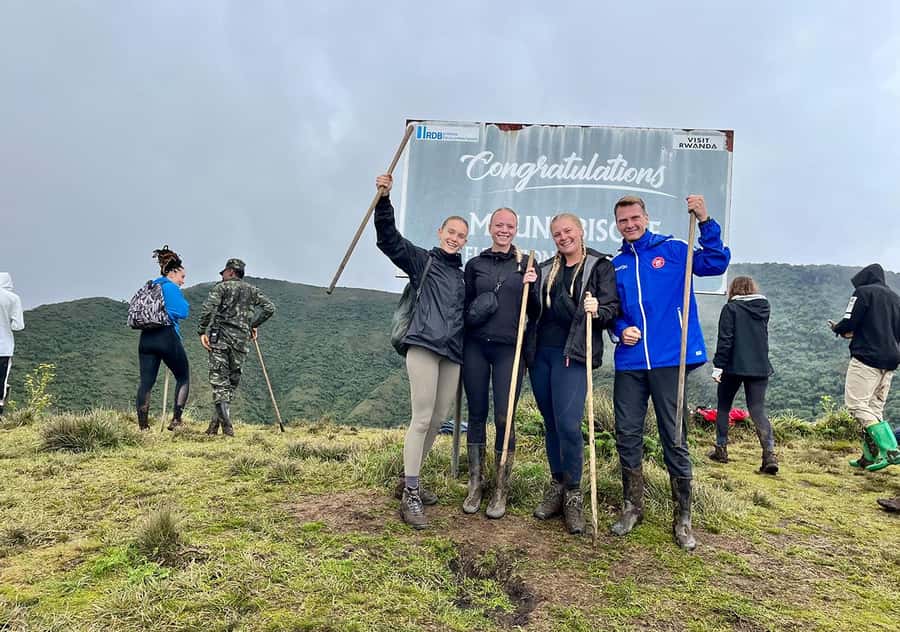
REVIEW · MOUNT BISOKE & VOLCANO HIKES
From Kigali: Bisoke Summit Trek, Crater Lake 1 Day Safari
Mount Bisoke makes a good morning feel epic fast. This one-day trek mixes Volcanoes National Park forest hiking with the payoff of a crater lake on top. I love how the route starts human-scale, with villages and farmland, then quickly shifts into dense park forest, and finally into volcanic terrain. I also like that you’re not just walking, you’re getting real structure: ranger briefing, a professional guide, and a planned pace up and down. The main drawback is simple, the trail is mostly uphill and can be muddy and slippery, so low fitness will make it miserable.
You’ll start early, with pickup at 4:30 AM from your Kigali accommodation and a drive to Musanze District. When I talk about “organized,” I mean you’re met at park headquarters in Kinigi for a briefing, then you head to the trailhead and go step by step with your guide and optional porters. Guides like Rando, and a problem-solving driver like Joel, are exactly the kind of calm you want when roads and weather change.
One more thing to plan around: you’ll pay extra for the Bisoke hike permit (listed separately), and gorilla rules can limit what you can photograph. If you’re okay with that, this is a rewarding day that feels like you earned your views.
In This Review
- Key things you’ll remember
- Why Bisoke Crater Lake Feels Special (Not Just Another Summit)
- Kigali Pickup to Kinigi Briefing: The Early Morning Setup You Want
- The First Stretch: Village Edges, Dense Forest, and Golden Monkey Possibilities
- Volcanic Terrain, Giant Heather, and the Summit Moment
- Wildlife Encounters: How to Handle Golden Monkeys and Rare Gorillas
- Lunch at the Crater and the Descent Strategy That Saves Your Knees
- What You Pay For: Bisoke Permit, Optional Porter, and Real Value
- What to Bring and How to Stay Comfortable on a Muddy Trail Day
- Who This Trek Is For, and Who Should Rethink the Plan
- Should You Book the Bisoke Summit Trek With Crater Lake?
- FAQ
- What time is pickup from Kigali?
- How long does the trek and safari day last?
- Where do we meet and get briefed before starting the hike?
- What is included in the price of $260 per person?
- Is the Bisoke hike permit fee included?
- Are porters included?
- What wildlife might I see on the hike?
- Do I need a passport or ID card?
- Is the hike suitable for low fitness levels?
- What should I wear for this hike?
Key things you’ll remember
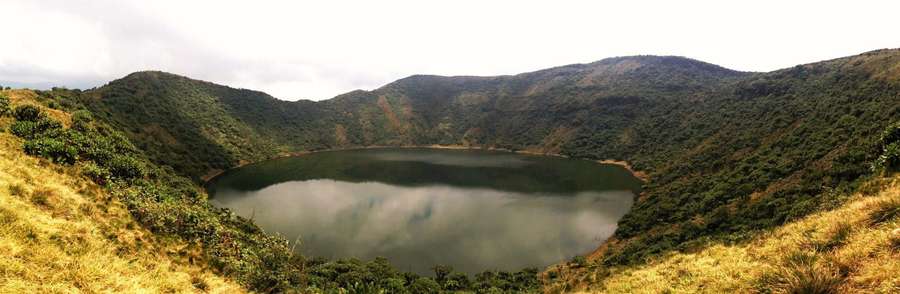
- Bisoke crater lake at the summit, with wide views over the twin lakes below
- Real Volcanoes National Park hiking, moving from farmland edges to dense forest and volcanic terrain
- Golden monkey chances along the way, plus rare gorilla encounters with strict photography rules
- Early start, full-day rhythm, with briefing at Kinigi and a planned return to Kigali
- Included guide and transport in a 4×4, plus lunch and bottled water for a smoother day
Why Bisoke Crater Lake Feels Special (Not Just Another Summit)
Mount Bisoke is one of those hikes that changes character as you climb. You start at about 2,700 meters and soon you’re stepping into higher-country park habitat, where the vegetation shifts and the air feels sharper. Then, the final reward is not a random viewpoint. It’s the crater lake itself, sitting in a bowl of volcanic history, with views out to the surrounding volcanoes and the twin lakes below.
I like that this hike gives you both variety and payoff. Many day hikes in Rwanda focus on one thing, forest, or views, or wildlife. Bisoke does a little of all three. You’ll hike through lush park landscape, then work your way into volcanic terrain with plants like giant heather. When you reach the top, it feels quiet and remote, the kind of moment where you actually stop talking.
That remote crater-lake stop also makes lunch more meaningful. Instead of rushing through food, you get a picnic break with a view, and you can take your time before starting the descent. It turns the hike from a checklist into an actual experience.
Shortlisting? Here is what else stood out in Volcanoes National Park Rwanda.
- From Kigali: Bisoke Summit Trek, Crater Lake 1 Day Safari★ 5.0 · 5 reviews
Kigali Pickup to Kinigi Briefing: The Early Morning Setup You Want
Your day starts before most of Kigali is fully awake. Pickup is at 4:30 AM, then you drive by 4×4 toward Volcanoes National Park in Musanze District. The drive takes roughly 2.5 to 3 hours, with a mix of paved and rugged stretches, so the timing matters. Leave yourself mentally ready for a day that starts fast and doesn’t slow down.
Around 7:30 AM, you arrive at the park headquarters in Kinigi. This part is more than a formality. You meet your fellow hikers and the park rangers, and you get a briefing on the hike and what to expect. That briefing helps you know what kinds of wildlife might show up and what to do if you do encounter it. It also helps set expectations for the trail, including how conditions can affect pace.
Then you move on to the trailhead, leaving at 8:00 AM for a drive of about 40 minutes. This transfer matters because it gets you out of city time and into mountain time. You’re not starting from a random roadside, you’re starting from a proper trail entry point, which makes the day feel intentional.
A small practical note: your guide communicates in English or French, so you can ask questions and understand instructions clearly. You’re also covered with a professional guide plus bottled water, which helps if the morning is cold or the hike starts you a little drier than expected.
The First Stretch: Village Edges, Dense Forest, and Golden Monkey Possibilities
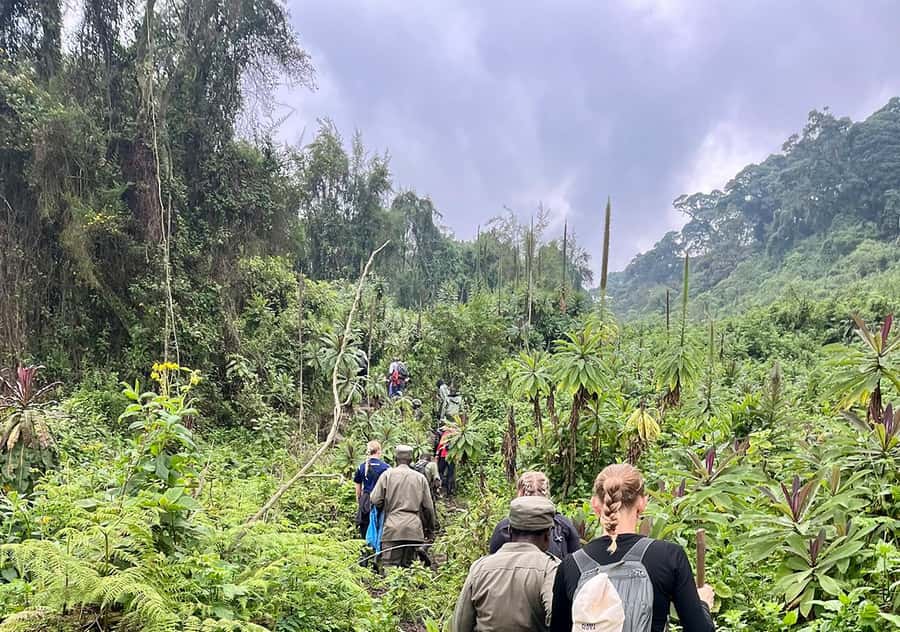
The hike begins at the trail start near 2,700 meters, and the early sections ease you into altitude and effort. First you’ll walk through villages and farmland. It’s a good mental transition. You see how people live near the park and how the land changes as you move toward the protected area.
After that, the trail moves into the dense forests of Volcanoes National Park. This is where I think you’ll feel the biggest difference in your senses: sounds change, light changes, and the ground gets more likely to be muddy after rain. The trail is mostly uphill, and your shoes will do most of the work.
This is also the part of the day where wildlife could show up, especially golden monkeys. You’re not guaranteed anything, but you’re in the right habitat for it. If you do spot monkeys, you’ll want to stay calm and follow your guide’s instructions. Keeping your movements steady helps both wildlife and you, especially when the ground is slippery.
If you want to make the forest easier on yourself, start by moving slower than you think you need to at the beginning. The steepness adds up, and those first hours are your chance to settle into a rhythm before the volcanic terrain gets rougher.
Porters are available if you opt for one. That’s not about luxury, it’s about energy. If your legs are a little tired early, carrying less can make the later sections more realistic.
Volcanic Terrain, Giant Heather, and the Summit Moment
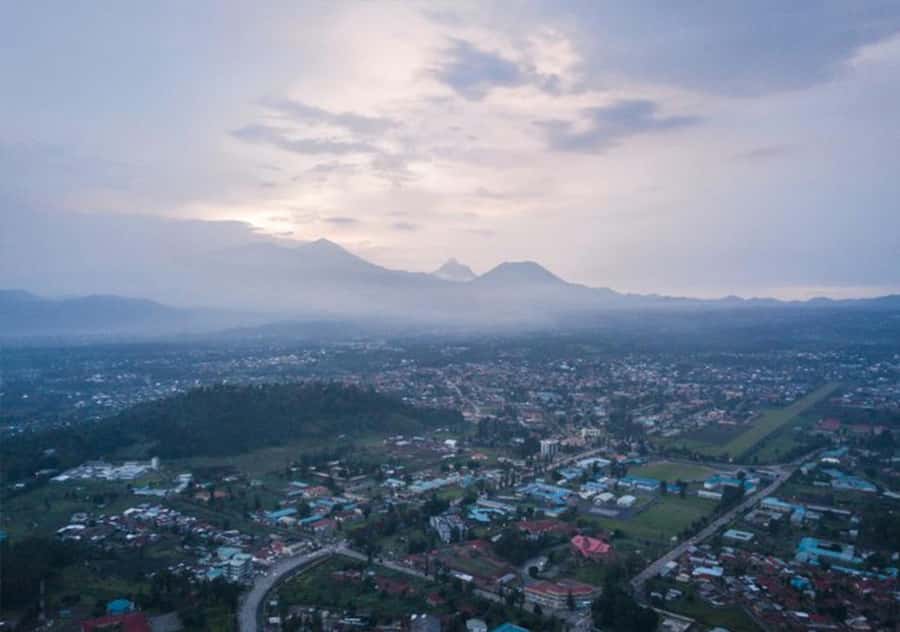
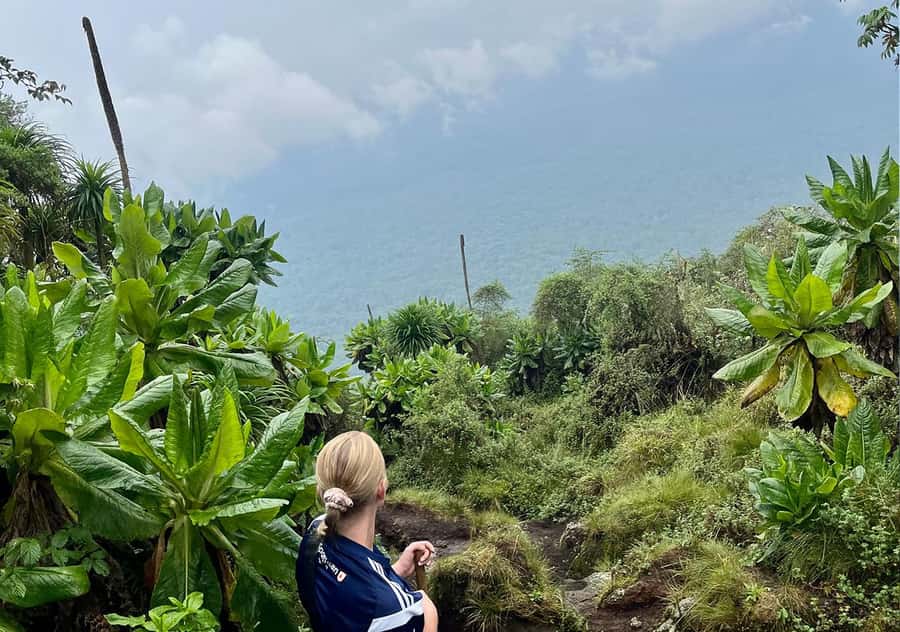
After about two hours, the hike takes you into a more volcanic-feeling stretch. The vegetation shifts, and you start seeing unique high-altitude plants, including giant heather. This stage is often where the climb feels less like “forest hiking” and more like “working upward.” The trail can be muddy and slippery, so footing is part of the hike, not just the view.
Plan on around four hours total to reach the summit. When people describe the view here, they’re usually talking about more than height. At the top, the crater lake is the main event, and the surrounding volcanoes plus the twin lakes below give the scene depth. It’s the kind of landscape that makes your photos look better than you remember, even if you’re not a photography person.
This is also where the day becomes peaceful. Your guide will time the moment so you can reach the summit, take in the lake, and then have lunch. The crater-rim picnic is part of why this trek feels like a full day, not a fast grind.
When you’re enjoying the summit, don’t forget the practical side. You’re at altitude, the air can change quickly, and you’ll still need to descend. Take a few minutes to stretch, drink water, and decide what pace you want for the way down.
Wildlife Encounters: How to Handle Golden Monkeys and Rare Gorillas
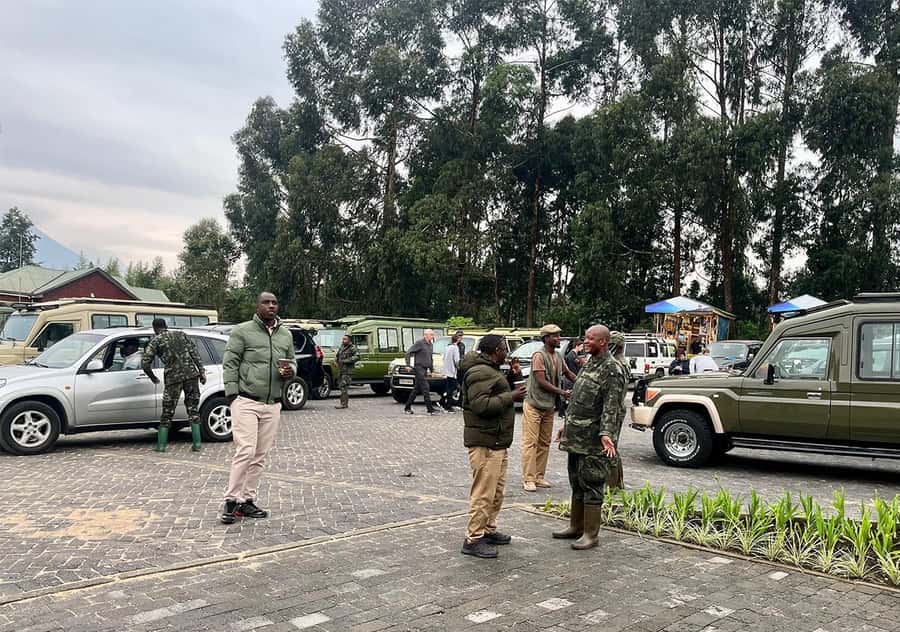
Volcanoes National Park is famous for gorillas, and Bisoke sits in the same broader ecosystem. Golden monkeys are the most realistic wildlife highlight mentioned for this hike. You’ll want to keep eyes open, but also keep your reactions smooth and respectful.
Gorillas are mentioned as a rare possibility. If you encounter gorillas, the rules get stricter. Photography is not permitted in these cases, and taking photos requires a valid permit. That means you should think ahead: if you care about photos, don’t assume you can just point your camera and go. Follow your guide and the rangers, and treat it like a conservation-focused encounter, not a safari free-for-all.
This is also where your guide quality matters. A professional guide helps you keep distance and maintain quiet focus. It’s one of the reasons the day feels well managed. You’re not left to guess.
The balanced truth: wildlife encounters depend on chance and conditions. Even without a gorilla sighting, golden monkeys or simply the way the park landscape changes as you climb can be enough to make the day feel special.
Lunch at the Crater and the Descent Strategy That Saves Your Knees
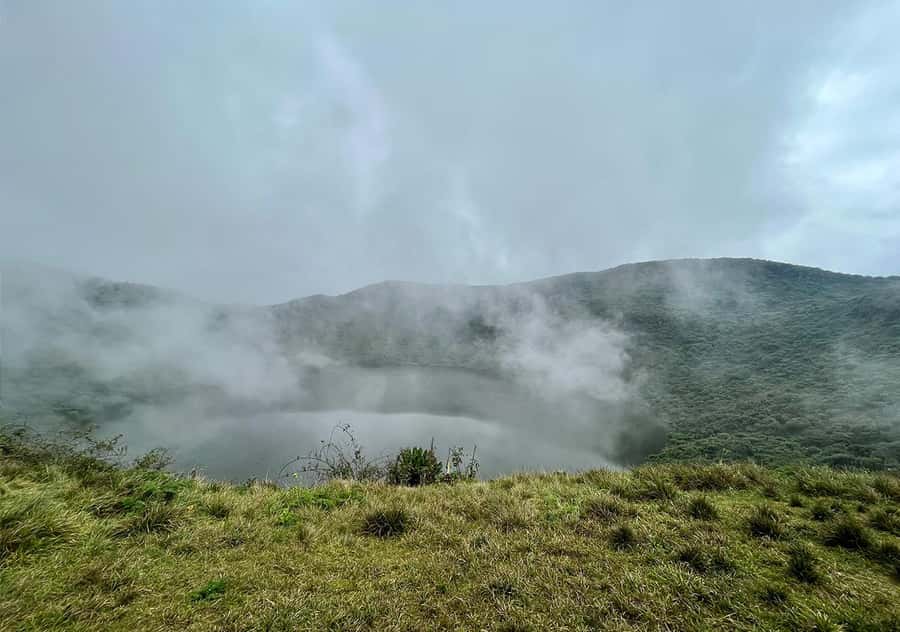
Once you reach the summit, you’ll enjoy a picnic lunch while you take in the crater lake and the views. This break is timed for the moment, not rushed through. I love that because it lets you actually enjoy the summit before you start moving again.
Then the descent starts around 2:00 PM, taking roughly 2 hours depending on your pace and the number of stops you make. The descent is usually where people get sloppy because they think they’re already done. Don’t. On muddy trails, slipping down can hurt more than effort going up.
If the ground is wet, take shorter steps and plant your feet firmly. Let your guide know if you feel unsteady, and don’t be embarrassed to slow down. Everyone is there for the same crater lake, and going a little slower protects your day.
By around 4:00 PM, you return to the starting point, then you meet your driver for the ride back to Kigali. Expect the return to take a few hours, since you’re traveling from the park to the city.
What You Pay For: Bisoke Permit, Optional Porter, and Real Value
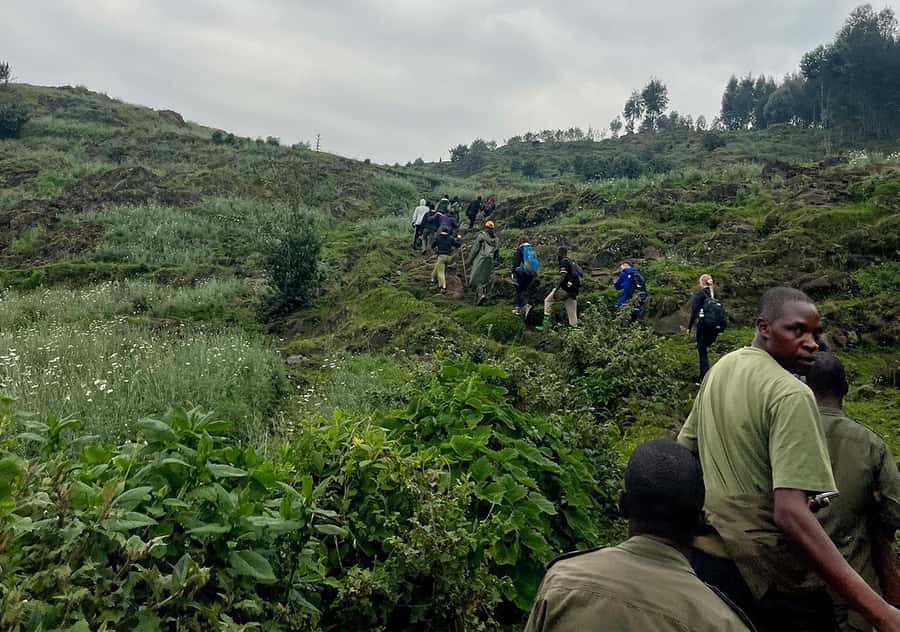
The listed price is $260 per person, and it includes a lot of the stuff that usually makes a day tour feel smooth. You get pickup and drop-off, transportation in a 4×4, a professional guide, lunch, bottled water, and all taxes. That’s a solid baseline value because transport and a competent guide are usually the biggest variable costs on hikes like this.
But there’s one clear add-on you should budget early: the $75 Bisoke hike permit fee is not included. If you’re calculating the total cost, that permit is part of what you’re really paying for, access to the hike and the structured ranger-managed setup.
Porters are optional. They are available if you want assistance carrying bags and support through tougher sections. If you’re fit but traveling with heavy gear, a porter can be a practical way to keep your energy for the summit. If you travel light and you have hiking stamina, you can choose to hike without one.
In terms of value, I’d frame it like this: you’re paying for organization, safety, and a guide who can manage pace, terrain, and wildlife rules. The permit and porter options are what customize your comfort level.
What to Bring and How to Stay Comfortable on a Muddy Trail Day
The tour gives you bottled water, but you should still come prepared like this is a working hike. Wear comfortable hiking shoes with grip. The trail can be muddy and slippery, and that’s not the time for flexible fashion sneakers.
Bring your passport or ID card. Rangers may need to verify identity for park access, and your tour instructions explicitly call this out.
If you tend to get cold early, plan for it. The day begins at 4:30 AM, and mornings at altitude can feel colder than you expect. A light layer helps even if you later warm up on the climb.
Also, think about camera habits. If you might see gorillas, remember the photography rules can apply. Keep your camera ready, but be prepared to follow the no-photo or permit-required instructions.
And if it rains, expect slower pace. One of the most important things you can do is not fight conditions. Adjust your speed, focus on footing, and treat the hike as a careful walk up and down, not a race.
Who This Trek Is For, and Who Should Rethink the Plan
This is not sold as an easy walk. It’s described as not suitable for people with low fitness, and it’s mostly uphill with mud potential. That doesn’t mean you need to be an ultra-hiker. It does mean you should have medium-difficulty hiking comfort and steady legs for steep, uneven ground.
If you like structured hikes, you’ll probably enjoy it. The early briefing, ranger presence, and professional guide plan the day so you’re not guessing. The private group format also helps keep your pace more realistic.
If you’re someone who gets nervous on uneven footing, decide honestly before booking. With the right shoes and willingness to slow down, many people can manage it, but your best outcome depends on feeling comfortable on slippery trail sections.
Should You Book the Bisoke Summit Trek With Crater Lake?
Book it if you want a day hike that feels like it has a real payoff: a summit crater lake, volcanic terrain, and chances for wildlife like golden monkeys in a famous park. You’ll also appreciate the organization. Pickup timing, the Kinigi briefing, 4×4 transport, lunch, and a guide in English or French make the day run with less stress.
Skip or reconsider if you’re uncomfortable with muddy, uphill trails. This trek asks you to take careful steps for several hours, and that’s part of the deal. Also, if you care about gorilla photos, understand you may need the right permit and photography may be restricted.
If you’re the kind of traveler who likes earning a view with effort, Bisoke is a strong yes. Just bring the right shoes, respect the wildlife rules, and enjoy that crater lake moment when the climb finally makes sense.
FAQ
What time is pickup from Kigali?
Pickup is at 4:30 AM from your Kigali accommodation.
How long does the trek and safari day last?
The total duration is about 12 hours.
Where do we meet and get briefed before starting the hike?
You arrive at Volcanoes National Park headquarters in Kinigi at about 7:30 AM, where you meet fellow hikers and park rangers for a briefing.
What is included in the price of $260 per person?
The price includes pickup and drop-off, transportation in a 4×4, lunch, a professional guide, bottled water, and all taxes.
Is the Bisoke hike permit fee included?
No. The Bisoke hike permit fee is $75 and is not included.
Are porters included?
Porters are not included unless you opt for them. Porters are available for assistance if you choose.
What wildlife might I see on the hike?
You may spot golden monkeys, and gorillas are possible but rare. Gorilla photography is not permitted in these cases without the proper permit.
Do I need a passport or ID card?
Yes. You should bring your passport or ID card.
Is the hike suitable for low fitness levels?
No. It is not suitable for people with low levels of fitness.
What should I wear for this hike?
Wear comfortable hiking shoes with good traction, since the trail can be muddy and slippery.
Where the Paths Go, Volcanoes National Park Rwanda
More Tour Reviews in Volcanoes National Park Rwanda
More of Rwanda, reviewed
- From Kigali: Bisoke Summit Trek, Crater Lake 1 Day Safari
★ 5.0 · 5 reviews
The rest of Mount Bisoke & Volcano Hikes.
 ★ 5.0Full day Mt. Bisoke hikeFrom $3306 reviews
 ★ 4.5Scenic walk around volcanoesFrom $906 reviews
 ★ 5.0A day trip _ Mount Bisoke Hike AdventureFrom $3575 reviews
 ★ 4.01-Day Bisoke Volcano Hiking ExperienceFrom $5704 reviews
 ★ 4.5One Day Mount Bisoke Hike Adventure Tour in Volcanoes ParkFrom $5504 reviews
Other lists it sits in