
REVIEW · RWANDA
Half-Day Mukungwa River Canoe Trip from Musanze
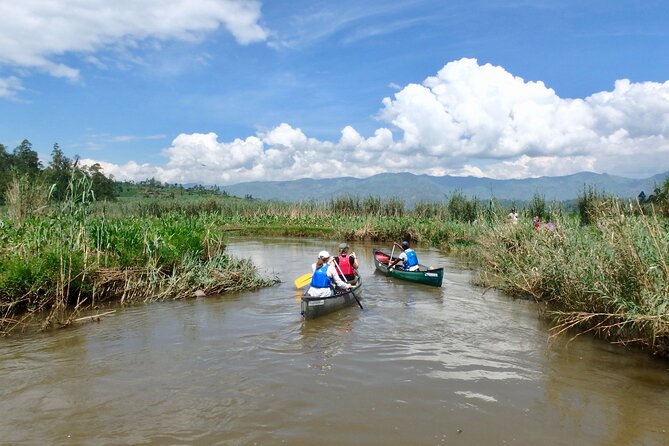
Paddling Rwanda beats most roadside sightseeing. This half-day canoe trip from Musanze turns the countryside into your playground, with wildlife spotting and village-and-farm scenery guided by people who know where to look. I also like that it’s a small-group outing with hotel-area pickup and a relaxed pace, so you do not need canoe experience to have fun. One possible drawback: the river can look muddy and you may deal with bugs and real-life water debris, so go expecting a bit of grime.
You’ll spend about 3 hours on the Mukungwa River with a guide and then about 3 hours in the Twin Lakes area around Lake Burera and Lake Ruhondo. Guides help with photos, so you can actually pay attention to the views, birds, and even the otters people talk about. Expect to get wet, and dress for that from the start.
In This Review
- Key highlights at a glance
- Mukungwa River vs Twin Lakes: why the route feels worth 6 hours
- Getting to La Silene and onto the water from Musanze
- Stop 1, Kingfisher Journeys on the Mukungwa River: wildlife, village life, and small rapids
- What the paddling feels like
- The wildlife angle
- A real-world consideration: muddy water and bug pressure
- Photo help that actually helps
- Stop 2 on Lake Burera and Lake Ruhondo: serene paddling and a different feel
- What you should expect to see
- Group size, timing, and physical effort: what moderate fitness really means
- Safety on a working river: what to take seriously, even when it’s gentle
- My practical take
- What to pack: wet clothes, waterproof bags, bug spray, and calm hands
- Value check: is $75 worth it for a Musanze half-day?
- Who should book this Mukungwa canoe trip from Musanze
- Should you book it?
- FAQ
- How long is the Mukungwa River canoe trip?
- Where does pickup happen in Musanze?
- Where is the default meeting place?
- What is included in the price?
- Is food included?
- Do I need canoe experience?
- What should I wear?
- What is the minimum age?
- How big are the groups?
- Is private transport from Kigali included?
- Is it refundable if plans change?
Key highlights at a glance
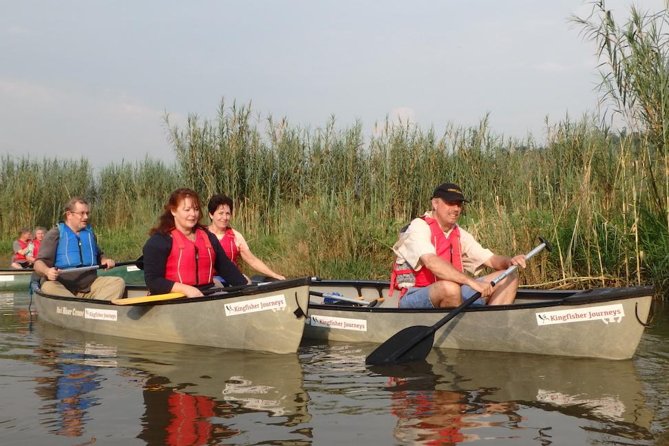
- Mukungwa River water time with a professional guide for route guidance and wildlife talk
- Small group size (max 8), which usually means more attention and smoother paddling
- Birds and otters are repeatedly part of the story, not just marketing
- Two scenic sections of paddling, first on Mukungwa then in the Twin Lakes region
- Practical, wet-weather ready dress code plus the chance to learn on the water
Mukungwa River vs Twin Lakes: why the route feels worth 6 hours
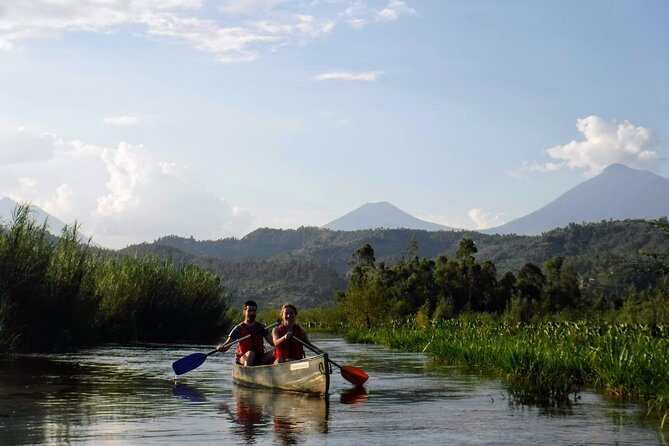
This trip is built like two different experiences stitched together. First comes the Mukungwa River stretch, where you get that slow, working-river feeling as you pass farms and rural villages. Then you shift to the Twin Lakes region, where the mood changes toward calmer, lake-like paddling between Lake Burera and Lake Ruhondo.
That split matters because it keeps you from getting bored. Rivers tend to bring variety minute to minute, with changes in flow and wildlife activity. Lakes tend to reward you with a more open, steady feel, where you can take your time and scan for birds without constantly adjusting to currents. If you want a half-day that feels like more than just transportation from one point to another, this two-part plan helps.
Shortlisting? Here is what else stood out in Ruhengeri.
- Half-Day Mukungwa River Canoe Trip from Musanze★ 4.5 · 40 reviews
- Scenic walk around volcanoes★ 4.5 · 6 reviews
Getting to La Silene and onto the water from Musanze
Your day starts with pickup and drop-off around Musanze, using designated meeting points. Unless you’re told otherwise, the meeting place is La Silene, a coffee shop on the Kigali road, down the hill just outside Musanze. It’s also described as near public transportation, which is helpful if you’re coordinating your own local movements.
The tour includes private transportation from Kigali only if you arrange it for an extra cost, so most people base themselves in the Musanze area and let the trip handle the rest. You’ll receive a mobile ticket, which is convenient on a day when your hands might be wet and your phone might feel like a liability.
Stop 1, Kingfisher Journeys on the Mukungwa River: wildlife, village life, and small rapids
Stop 1 is the star of the route for many reasons, and the details show up again and again. You’ll be on the Mukungwa River for about 3 hours with a guide, and admission for this segment is included. This is where you get the close-up view of daily rural life, with people working along the water and fields nearby. It’s also where you hear about birds and otters most often.
What the paddling feels like
The river pace is usually described as gentle for most of the trip, with moments of excitement. One common detail is rapids under a road bridge, where you get a splash and a bit of adrenaline without it turning into a full-on whitewater mission. If you’re new to canoeing, this is a good setup. You learn how to steer and balance as the river teaches you, not all at once in some scary starter shock.
The wildlife angle
I like that this is not just about moving from point A to B. Guides are known for spotting birds and talking about what you’re seeing. People mention different guide names, including Benjamin, Eve, Yves, Sharon, Eloi, and Willy, and the consistent theme is that the briefing and attention to safety do not get tossed aside once the paddling starts.
And yes, otters show up in the stories. I would treat that as a bonus, not a guarantee, but the fact that people repeatedly spot them tells me the guides know what to look for.
A real-world consideration: muddy water and bug pressure
One caution you should take seriously: at least one experience note calls out brown water with garbage. That does not mean every trip will look the same, but it does mean you should mentally prepare for the river to look like a working river, not a postcard.
Also, plan for bugs. Dress code tells you to wear clothes that do not matter if they get wet and bring rain protection in wet season, and one review specifically warns you to use lots of bug spray. If mosquitoes are a problem for you, bring your own repellent and use it before you’re on the water.
Photo help that actually helps
A small but meaningful perk: your guide handles photographs while you paddle. That means you do not have to keep juggling a camera at exactly the wrong moment, like when an otter surfaces or a kingfisher darts by. It also keeps the trip from turning into everyone taking turns posing while the canoe drifts.
Stop 2 on Lake Burera and Lake Ruhondo: serene paddling and a different feel
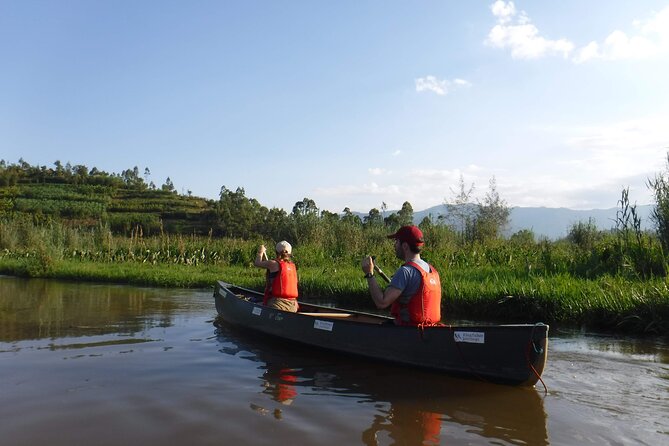
The second segment is about 3 hours in the Twin Lakes recreational area, centered on Lake Burera and Lake Ruhondo. Admission for this part is listed as not included, so if you’re trying to budget tightly, you’ll want to confirm what, if anything, you need to pay separately once you arrive.
This is where the vibe often turns quieter. The descriptions point to crystal-clear waters and a peaceful atmosphere suited to paddling at a slower mental speed. If you want the trip to feel like a reset after other Northern Rwanda activities, this second half is the calmer counterweight.
What you should expect to see
The wildlife focus continues, but in a different way. Lakes can mean more open scanning for birds along the edges rather than constant observation of the riverbanks. If you care about photos, the brighter, more open water can be easier to shoot from a canoe position, especially if you can keep your phone in your bag and let the guide do the photo moments.
Group size, timing, and physical effort: what moderate fitness really means
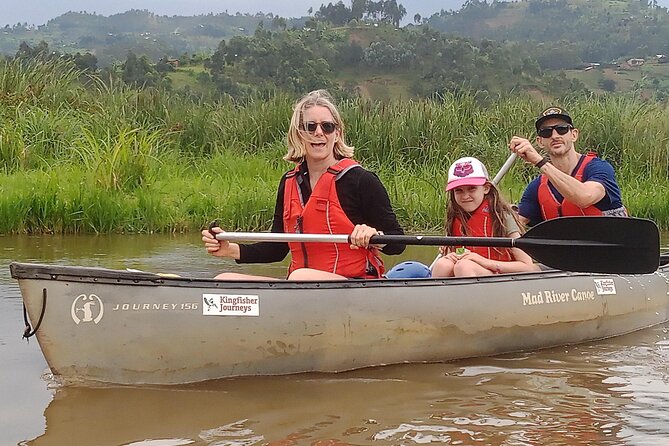
This activity is described as suitable for people with moderate physical fitness, with a minimum age of 7. Those under 16 must be accompanied by a responsible adult. The tour caps out at a maximum of 8 people per booking, which matters more than it sounds. Fewer people typically means better instruction, easier coordination for guides, and more time spent actually paddling rather than waiting.
Duration is about 6 hours total, and the structure is two 3-hour blocks. That’s long enough to learn something and see a lot, but it’s not so long that most people feel destroyed afterward. If you’re coming in from hiking a day earlier, the canoe trip is often a good recovery-style outing, as long as you’re comfortable getting wet.
One more practical note: you’re encouraged to wear sandals and a raincoat in wet season, plus a t-shirt and shorts or similar clothing that can soak. That tells you the day is active enough to get splashed, but not so extreme that you need technical gear.
Safety on a working river: what to take seriously, even when it’s gentle
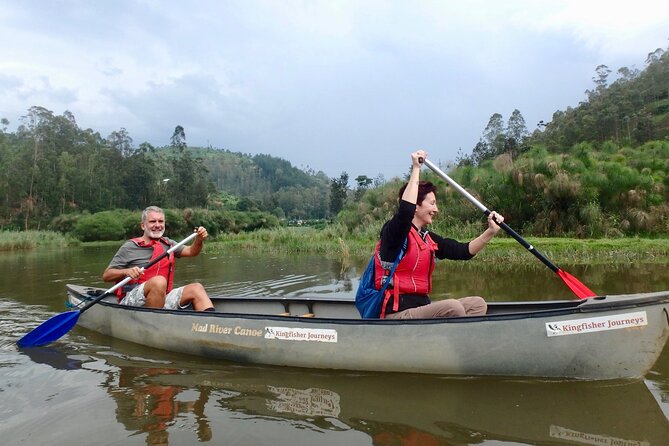
Safety is a recurring theme in the way guides run the trip. Several experiences praise clear briefings, careful guidance, and staff who pay attention to details throughout. People also note that even when there are rapids, the river is usually not described as dangerously fast.
Still, rivers are public and used by locals. One safety critique mentions children following along the stream and throwing rocks when canoes were separated. That is not something I would assume happens on every outing, but it is a good reminder to take the briefing seriously, stay close to your guide, and treat the water as a shared space.
My practical take
- Follow the guide’s instructions on spacing and where to paddle close to shore.
- Keep valuables secure in waterproof bags, especially around splashing rapids.
- If you see other people on the banks, slow down your movements and let the guide manage what happens next.
What to pack: wet clothes, waterproof bags, bug spray, and calm hands
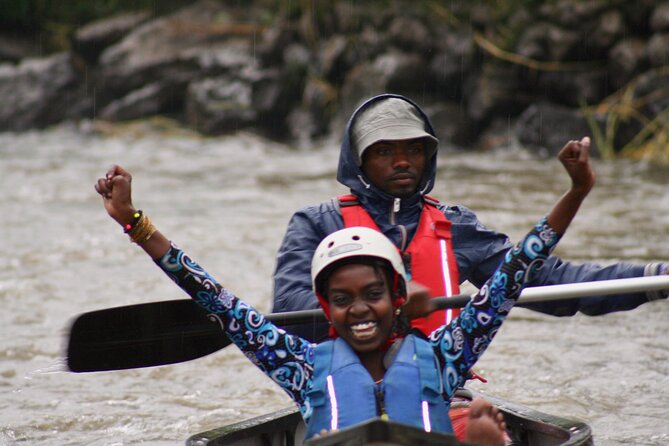
The dress code is refreshingly straightforward: shorts and a t-shirt or clothing that doesn’t matter if it gets wet, sandals, and a raincoat in wet season. That covers the basics, but you’ll make your life easier if you add a few practical items.
From what people emphasize, your biggest win is waterproof protection. One note specifically calls out waterproof bags for belongings, because small rapids can mean more splashes than you expect. If you bring a phone or camera, keep it sealed.
Then comes bug protection. Even though the day is scenic and wildlife-friendly, insect pressure can be real. I’d rather apply repellent early than regret it later, especially if you react strongly.
Also, bring a change plan. The tour includes bottled water, but food and drinks are not included, so you may want snacks for the day or plan how you’ll eat afterward. The review notes do not spell out meal stops, so build your plan around what you know.
Value check: is $75 worth it for a Musanze half-day?
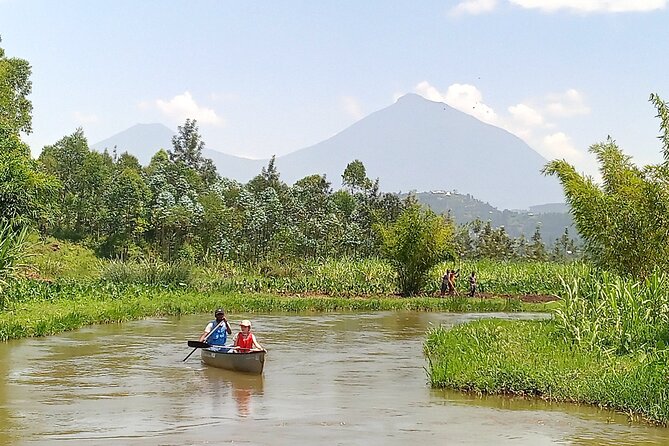
At $75 per person for about 6 hours, the value mainly comes from logistics and guided time, not just “sitting on a canoe.” You get hotel-area pickup and drop-off from Musanze, bottled water, and a professional guide. The max group size of 8 also tilts the value toward a more personal feel, especially if you want instruction rather than just being put in a canoe and sent downriver.
You are also paying for the interpretation part: wildlife spotting, local ecosystem talk, and the photo help from guides. That is hard to replicate on your own, because on-the-water navigation and spotting skills usually take local experience.
The only potential cost bump is that the Twin Lakes segment has admission not included. If you’re trying to keep the day to a fixed budget, you’ll want clarity on what, if anything, you pay at that stop.
Who should book this Mukungwa canoe trip from Musanze
This is a strong fit if you want a different side of Northern Rwanda. If you’re also doing gorilla tracking or hiking Mount Bisoke, this can be a welcome switch: active, outdoorsy, and scenic, but not the kind of challenge that leaves you wrecked.
It also works well for families who can handle getting wet. Multiple experiences mention kids enjoying the paddle and emphasize guides who handle safety carefully, particularly with younger travelers. Just remember the age rule: minimum age is 7, and anyone under 16 needs an adult with them.
If you are very squeamish about insects or do not want muddy water in your day, this might be a stretch. I’m not saying avoid it, but I am saying prepare your expectations. This is a real river outing in a real rural area, not a spa activity.
Should you book it?
I’d book this canoe trip if you want a small-group way to see Musanze countryside up close, with guide support, and a good shot at birds and otters. The $75 price feels reasonable when you factor in pickup, bottled water, and guided paddling time, plus that two-part route that keeps the day from feeling repetitive.
I would hesitate only if you cannot deal with getting wet, hate bugs, or have strong concerns about river cleanliness. If those are your limits, consider a different Rwanda outing.
FAQ
How long is the Mukungwa River canoe trip?
It runs for about 6 hours in total, with two main segments of about 3 hours each.
Where does pickup happen in Musanze?
Pickup and drop-off are included from designated meeting points in Musanze.
Where is the default meeting place?
Unless otherwise agreed, the meeting place is La Silene, a coffee shop on the Kigali road just outside Musanze.
What is included in the price?
The tour includes bottled water, a professional guide, and pickup and drop-off from designated meeting points.
Is food included?
No. Food and drinks are not included.
Do I need canoe experience?
No experience is necessary, and the tour is set up for an active but approachable outing.
What should I wear?
Wear shorts and a t-shirt or other clothing that does not matter if it gets wet, sandals, and a raincoat in the wet season.
What is the minimum age?
The minimum age is 7 years.
How big are the groups?
The maximum is 8 people per booking.
Is private transport from Kigali included?
Private transportation from Kigali can be arranged for an extra cost.
Is it refundable if plans change?
Yes, free cancellation is available up to 24 hours in advance for a full refund.
More Tour Reviews in Ruhengeri

More of Rwanda, reviewed
- Scenic walk around volcanoes
★ 4.5 · 6 reviews - Half-Day Mukungwa River Canoe Trip from Musanze
★ 4.5 · 40 reviews