

REVIEW · KIGALI SIGHTSEEING TOURS
Kigali City Center Guided Walking Tour
Kigali reads best at walking speed. This guided city walk strings together car-free street life, a hard-to-sit-with memorial, and a modern art finish in about 2 to 3 hours. You’ll get a real sense of how the city functions when you’re moving slowly and paying attention.
I love that the route is built around everyday Kigali moments, not just big sights. Imbuga City Walk sets an easy pace, and Biryogo Car Free Food Street brings you right into local eating and street culture. I also like that the guide experience can feel personal, with names like Jeremiah (Jerry) and Ange mentioned often for their friendly, practical storytelling.
One possible drawback: you’ll be on your feet for the full route, and the tour requires good weather. If it’s rainy, plan on a change of plans.
In This Review
- Key things to know before you go
- Why walking the city center matters in Kigali
- Start smart at Norrsken House Kigali
- Stop 1: Imbuga City Walk for street art and coffee
- Stop 2: Belgian Peacekeepers Memorial and the 1994 context
- Stop 3: Biryogo car-free food street and Nyamirambo Women’s Center
- Stop 4: Choose Kigali Art Gallery for a calm, modern finish
- The tour pace, duration, and what to plan around
- What you get for $29 and why the value feels solid
- Who this tour suits best
- Final verdict: should you book this Kigali city center walk?
- FAQ
- How much does the Kigali City Center Guided Walking Tour cost?
- How long is the walking tour?
- What is included in the price?
- Where do we meet, and where does the tour end?
- Does the tour run in bad weather?
- Can I cancel for a refund?
Key things to know before you go
- Small groups (up to 30): easier conversation with your guide and more time to ask questions.
- Start at Norrsken House Kigali: a clear, central meeting point that’s easy to find.
- All four stops are admission-free: the guide leads, and you avoid extra ticket math at each location.
- Hard stop, important context: the Belgian Peacekeepers Memorial is part of the walk, so expect an emotional moment.
- End at Choose Kigali Art Gallery: your final stop is calm and reflective, and you can leave from there.
- Guide names you might hear: Jeremiah (Jerry) and Ange are frequently praised for their connection to Kigali.
Why walking the city center matters in Kigali
Kigali is one of those cities where planning matters less than pace. On foot, you notice what cars hide: the corners where people pause, the small storefronts that look quiet until you’re close, and the street art that turns plain walls into a conversation piece.
This tour keeps that advantage front and center. You’re not just hopping between landmarks. You’re walking through neighborhoods that show how the city works day to day, then stopping at the places that explain Rwanda’s past and why today looks the way it does.
A big plus for first-timers is that the walk gives you structure. Even if Kigali is generally easy to navigate, it’s still nice to have someone point out what to look for, and what questions to ask.
Other ways to see the capital in a day
- Kigali City Tour★ 5.0 · 452 reviews
- Private Full-day Kigali City Tour with Pickup and Lunch★ 5.0 · 79 reviews
- Kigali City Tour★ 5.0 · 59 reviews
- Kigali City Sightseeing★ 5.0 · 49 reviews
Start smart at Norrsken House Kigali

You meet at Norrsken House Kigali, at 1 KN 78 St, Kigali. That’s a solid choice because it anchors the whole experience in a known spot in the city center.
The tour is typically 2 to 3 hours, so you’re not committing to a long day just to get your bearings. It also helps that the group size is capped at 30, which keeps the “herding” factor low and makes it easier for your guide to check in with everyone.
You’ll likely begin with a sense of Kigali’s modern street layout and orderly feel. Then, as the walk moves along, the stops start doing what great guided walks do: they give you contrast. Clean streets and everyday commerce. Then a memorial that hits you in the chest. Then food and community spaces that pull you back into present-day life.
Stop 1: Imbuga City Walk for street art and coffee
Imbuga City Walk is a pedestrian street in the heart of Kigali, and that matters more than it sounds. When cars are out of the picture, you can actually hear what’s going on. You can browse. You can look up at the street art without constantly stepping aside.
At this stop, you’ll have time to slow down and experience the street-level rhythm: small shops, outdoor cafés, and vendors offering practical things like crafts and fresh fruit. The tour also mentions Rwandan coffee, which is a simple way to turn a walk into a lived moment. You’re not just passing by, you’re taking part.
What makes Imbuga especially good for most visitors is that it’s a low-stress starter. It’s not overwhelming. It’s a gentle “get your bearings fast” introduction before you move into heavier context later.
Practical note: because it’s a walk, bring comfortable shoes. And if you’re the type who likes photos, keep your camera ready early. Street art works best when you pause.
Stop 2: Belgian Peacekeepers Memorial and the 1994 context

After Imbuga, the walk heads toward the Belgian Peacekeepers Memorial. This is the tour’s emotional pivot point, and it’s not a quick photo stop.
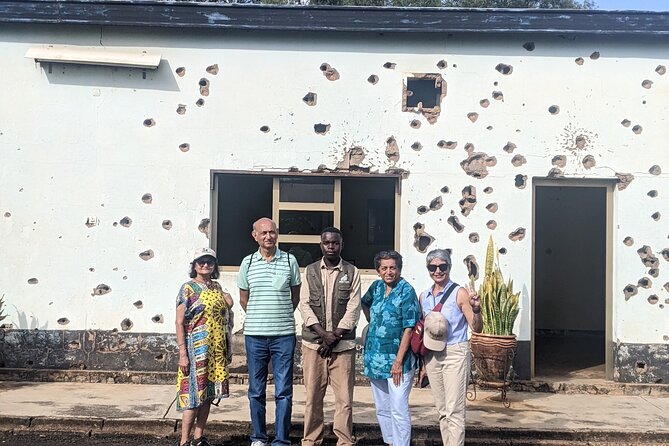
You’ll pause to reflect on the 10 Belgian soldiers who were killed at the start of the 1994 Genocide against the Tutsi. The site has a small museum and a preserved building with bullet marks, showing where the soldiers made their last stand.
It’s important to say this plainly: this stop can feel upsetting. That’s part of why it’s included. You’ll come away with more than a name on a sign. You’ll understand that Kigali’s present day is tied to history that still deserves attention.
If you’re traveling with a partner, I’d treat this as the moment to slow down and be present together. If you’re traveling solo, it’s still a solid time to ask your guide questions. Guides like Jeremiah (Jerry) and others mentioned for their thoughtful approach often help guests connect the memorial to Rwanda’s path toward peace.
One consideration: keep your expectations realistic. This is not the stop where you want to speed through to “catch the rest of the tour.” Let it take the time it needs.
Stop 3: Biryogo car-free food street and Nyamirambo Women’s Center
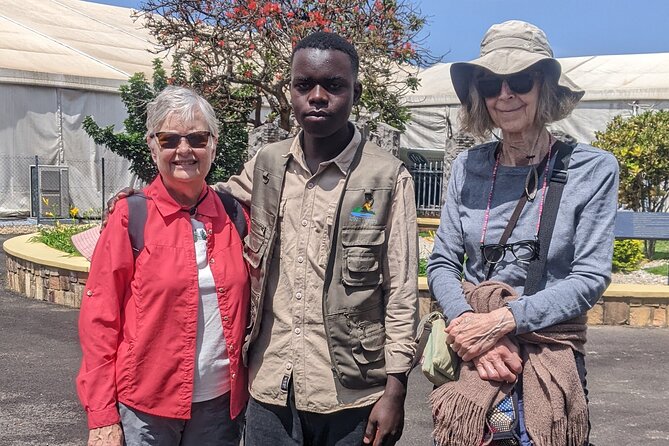
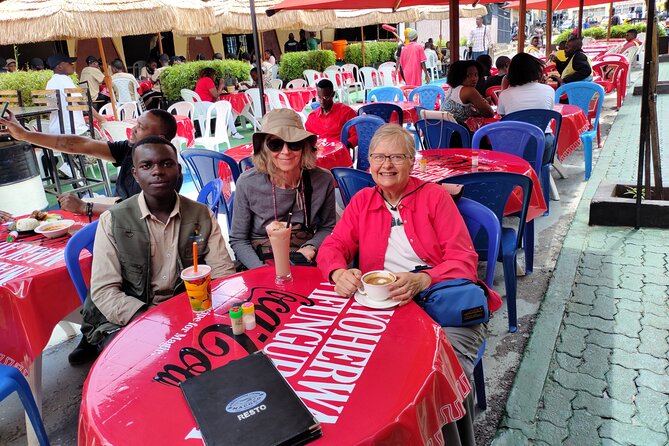
Then the tour shifts gears in a good way. Biryogo is described as a car-free food street where locals gather at outdoor tea spots, the air fills with grilled brochettes, and the street feels alive without needing loud nightlife.
The car-free format is the key. It turns the street into a place where you can move normally and stay with the experience instead of constantly planning around traffic. This is where you start to feel the everyday Kigali heartbeat.
You’ll also pass mural-covered streets that highlight Kigali’s creativity, and you’ll spend about an hour in this area. That hour is valuable because it’s enough time to taste what you want, or simply watch and learn how people use public space. Food streets do that best, and Biryogo seems built for exactly that.
Next, the tour includes the Nyamirambo Women’s Center. This is where the experience gets more community-driven. You can learn about the center’s initiatives and browse locally made crafts. It’s the kind of stop where you can buy responsibly, because the point is education and support, not just shopping as a box to check.
In reviews, the women’s co-op element is repeatedly mentioned as a highlight. That makes sense to me, because it gives you something you can remember beyond a photo: a real organization doing real work.
Tip before you go: come with a little flexibility in your stomach. You might want tea, juice, or a bite while you’re there. The tour format gives you time for that.
Stop 4: Choose Kigali Art Gallery for a calm, modern finish

The walking portion ends at Choose Kigali Art Gallery, around the last 40 minutes of the tour. This finish matters because it changes the emotional temperature.
Instead of more street noise, you get a serene setting where you can reflect on the day. The gallery showcases contemporary Rwandan and African art, with exhibitions that may include paintings, sculptures, and mixed media. Even if you’re not a serious art person, it’s a useful capstone after memorial and street stops. It gives you space to think.
The location and design are described as elegant, with lush surroundings. That combination makes the final hour feel like a breather instead of a forced conclusion.
From here, you can either walk back to Norrsken House Kigali or arrange a cab or motorcycle ride home with help from the team. That’s practical, especially if your feet are already telling you they’ve had enough.
If you’re someone who likes to end with something quieter, this stop is a big reason the tour works as a complete city introduction.
Still walking? Nyamirambo and beyond




The tour pace, duration, and what to plan around

This is a 2 to 3 hour walk, and it’s designed as a city center loop. Because there are four stops, the pacing is generally steady: short time blocks at each point with enough room to absorb.
It also helps that most of the places you visit have admission ticket costs listed as free for the experience. That means your day budget stays predictable.
Group size is capped at 30, and that affects your experience in real ways. Smaller groups are easier for your guide to manage, and they make it more likely you’ll hear the explanations clearly instead of just following the person in front of you.
Weather is a real factor here. The experience explicitly requires good weather. If rain hits, expect it to affect the schedule. Since it’s a walking tour, you’ll feel it quickly, so bring a light rain option if your plans are flexible.
What you get for $29 and why the value feels solid
At $29 per person, this tour sits in a reasonable range for a guided experience that includes a live guide and multiple meaningful stops.
Here’s why the value holds up:
- You’re paying for local context, not just movement. The memorial portion in particular benefits from a guide who can put the events into words you can process.
- The tour avoids surprise admission fees at each location. The stops listed all have ticket entry marked as free for the tour.
- You’re not stuck in a single type of place. You get street life (Imbuga, Biryogo), community work (Nyamirambo Women’s Center), and reflection (Belgian Peacekeepers Memorial, Choose Kigali Art Gallery).
If you’re visiting for only a day or two, this is also a high-efficiency way to get oriented without doing a full-day program. The walk is long enough to feel like Kigali, but short enough that you can still plan other activities afterward.
One more value point: reviews consistently mention guide personalities. Names like Jeremiah (Jerry) and Ange come up again and again, with comments about humor, personal connection, and how the guide answers questions. That kind of guiding is hard to replicate with a self-guided route.
Who this tour suits best
This walking tour is a good fit if you want a city center introduction that goes beyond scenery.
It works well for:
- First-time visitors who want practical context quickly
- Solo travelers who want conversation and a friendly guide presence
- People who enjoy street art, local food areas, and community crafts
- Travelers who can handle an emotional historical stop without skipping it
If you’re traveling with mobility limitations, the tour’s on-foot nature is something to consider carefully, since the experience is designed as a walking route. Also, if you hate walking in general, you may find the pacing too active for your comfort.
Final verdict: should you book this Kigali city center walk?
I’d book it if you want a balanced Kigali experience in one go. You get the car-free street comfort of Imbuga and Biryogo, a community-focused stop at Nyamirambo Women’s Center, and a memorial stop that gives the city real meaning. Then you finish at Choose Kigali Art Gallery for a calmer read of what you just learned.
Skip it only if you know you want a strictly “light and fun” day with no history-heavy moments, or if you’re not up for several hours of walking.
If your goal is to understand Kigali’s center through ordinary streets plus honest context, this tour is built for that exact job.
FAQ
How much does the Kigali City Center Guided Walking Tour cost?
It costs $29.00 per person.
How long is the walking tour?
The tour runs about 2 to 3 hours.
What is included in the price?
The tour guide is included. Admission at the listed stops is marked as free for this experience.
Where do we meet, and where does the tour end?
You meet at Norrsken House Kigali (1 KN 78 St, Kigali). The tour ends in Kigali at Choose Kigali Art Gallery, with options to walk back or arrange a cab or motorcycle ride.
Does the tour run in bad weather?
The tour requires good weather. If it is canceled due to poor weather, you will be offered a different date or a full refund.
Can I cancel for a refund?
Yes, free cancellation is available. You can cancel up to 24 hours in advance for a full refund.
Kigali Streets, Still Walking




Kigali, Seen Another Way



More Tour Reviews in Kigali

More of Rwanda, reviewed
- Private Memorial Day Tour Ntarama and Nyamata
★ 5.0 · 3 reviews - Ntarama and Nyamata Genocide Memorial Day Tour
★ 4.5 · 3 reviews - From Kigali: 8 Hour Day-trip Lake Kivu Cruise Experience
★ 4.5 · 3 reviews - Bar Hopping Tour in Kigali Nightclubs
★ 4.0 · 3 reviews - Kigali City Tour and Sightseeing
★ 5.0 · 3 reviews
The rest of Kigali Sightseeing Tours.
 ★ 5.0Kigali City TourFrom $162452 reviews
 ★ 5.0Private Full-day Kigali City Tour with Pickup and LunchFrom $18079 reviews
★ 5.0Kigali City TourFrom $12159 reviews
★ 5.0Private Full-day Kigali City Tour with Pickup and LunchFrom $18079 reviews
★ 5.0Kigali City TourFrom $12159 reviews
 ★ 5.0Kigali City SightseeingFrom $13049 reviews
 ★ 5.0Kigali City Tour with a Local Guide and DriverFrom $12949 reviews
 ★ 4.5Kigali Day Tour With Lunch and Pickup ServiceFrom $12526 reviews
 ★ 4.6Kigali City Tour: History, Art and Local Highlights.From $9920 reviews
 ★ 5.01 day Kigali city tourFrom $11818 reviews
Other lists it sits in