
REVIEW · KIGALI FOOD & DRINK EXPERIENCES
Kigali: Learn How to Make Hot Sauce from Scratch
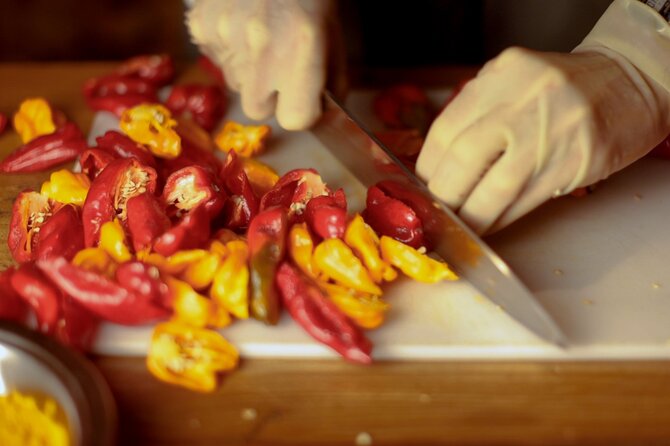
Kigali gives you heat you can taste, not just buy. In this 90 minute, small group class you pick peppers like jalapeños, habaneros, and the local pili pili, mix your own sauce, taste until it hits your sweet spot, and bottle it to take home. My favorite parts are the hands-on mixing and the guided pepper choices, plus the chance to learn why fermentation matters for flavor and kick. The one drawback to plan for: you need to be okay with spicy food, and if you have pepper allergies, this may not be for you.
With a group capped at 10 and an instructor who speaks English and Russian, you get real attention instead of watching from the sidelines. You will chat about how to improve the sauce using fermentation, and you can add extra spices if you want to steer the final flavor. If you do not want to handle peppers at close range, or you are very sensitive to heat, consider a different activity.
In This Review
- Key things to know before you stir the pot
- Kigali Heat Lesson: why this class feels better than a souvenir shop
- Picking your peppers in Kigali: jalapeños, habaneros, and pili pili
- Mixing your hot sauce: hands-on, guided, and adjustable
- Taste and adjust: how you get the heat level you actually want
- Fermentation explained for extra kick: what you learn and why it matters
- Bottling your Kigali souvenir: how the take-home part works
- The guide experience: tips plus Rwanda stories from James
- Price and value: is $35 worth it for 90 minutes?
- Time, group size, and what to expect during the 90 minutes
- Who should book this class, and who should skip it
- Planning your Kigali day around the class
- FAQ
- FAQ
- How long is the hot sauce making experience in Kigali?
- How much does the experience cost?
- What peppers can I choose from?
- Will I get to taste and adjust my sauce?
- Can I take my hot sauce home?
- What is included in the price?
- What is not included?
- Is it offered in English and Russian?
- What if I cannot handle spicy food or have pepper allergies?
- Can I cancel for a full refund?
- Should you book this Kigali hot sauce class?
Key things to know before you stir the pot
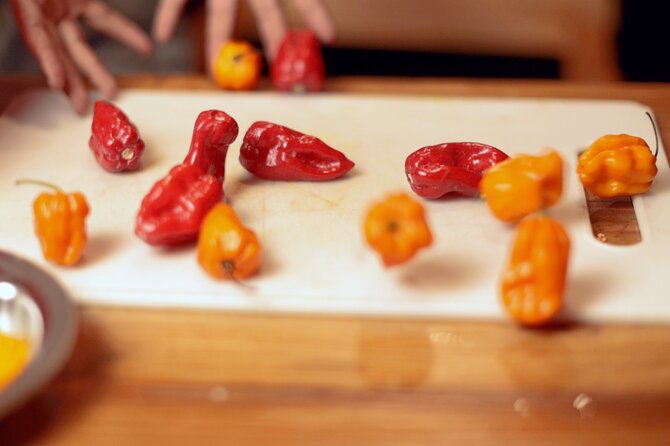
- Choose your peppers: jalapeños, habaneros, and local pili pili, then build your blend.
- Taste and adjust as you go so your sauce matches your heat level.
- Fermentation gets explained as the reason the sauce tastes deeper and hits harder.
- Take home bottles are included so your Kigali souvenir is edible.
- Small group setup (up to 10) keeps it hands-on and personal.
- Guide personality can add Rwanda context, including stories shared by James, who also owns the restaurant.
Kigali Heat Lesson: why this class feels better than a souvenir shop
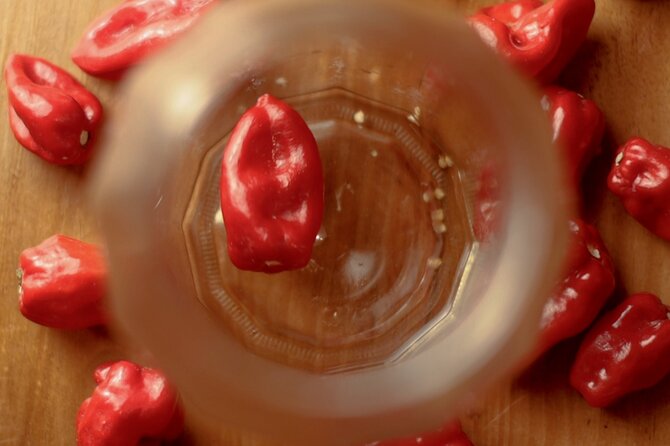
Kigali is great for travelers who like food that has a point of view. This hot sauce making experience fits that vibe. It is not a demo you watch from a chair. You get to make decisions with your hands, then taste your way to the version that works for you.
The biggest strength is the structure. You start by choosing peppers, then you mix, taste, and adjust. That turns a potentially intimidating food into something approachable, because you are steering the process. The second strength is the takeaway. You bottle the sauce yourself, so you are not just buying heat, you are carrying a specific flavor you helped create.
The price is also reasonable for what you receive. At $35 for 90 minutes in a group limited to 10, you are paying for guided instruction, the pepper selection, ingredients, and the bottles to take home. Most cooking experiences either cost more or do not include a real edible souvenir.
Shortlisting? Here is what else stood out in Kigali Province.
- Discover Kigali’s Nightlife with Aline★ 4.2 · 4 reviews
Picking your peppers in Kigali: jalapeños, habaneros, and pili pili
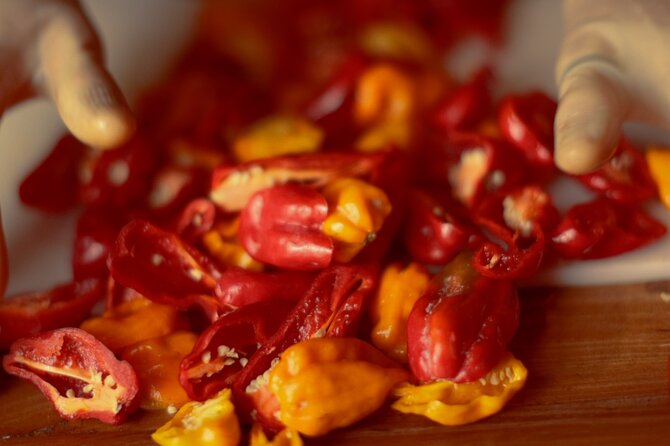
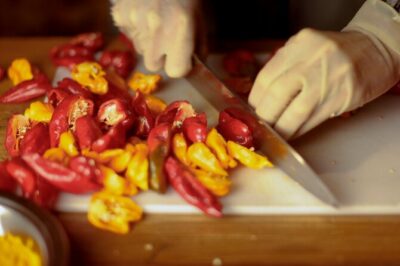
This is where the experience starts getting fun. You will choose from peppers like jalapeños and habaneros, plus the local favorite, pili pili. The guide helps you understand the differences so you can make a blend instead of picking one and hoping for the best.
Here is the practical way to think about it:
- Jalapeños are usually your friend if you want flavor with manageable heat.
- Habaneros push the heat higher, and you will taste them immediately once the sauce is mixed.
- Pili pili brings a local character, and it helps keep your sauce tied to Rwanda instead of feeling generic.
The lesson is simple but valuable. You are not just making hot sauce, you are learning how pepper choice changes the final experience. That matters because people often buy “hot” without realizing heat is only part of the story. Pepper type affects aroma, fruitiness, and how quickly the burn shows up.
If you are nervous about choosing, start with the assumption that you can adjust. You will taste and fine-tune later, so your first choice does not have to be your final destiny.
Mixing your hot sauce: hands-on, guided, and adjustable
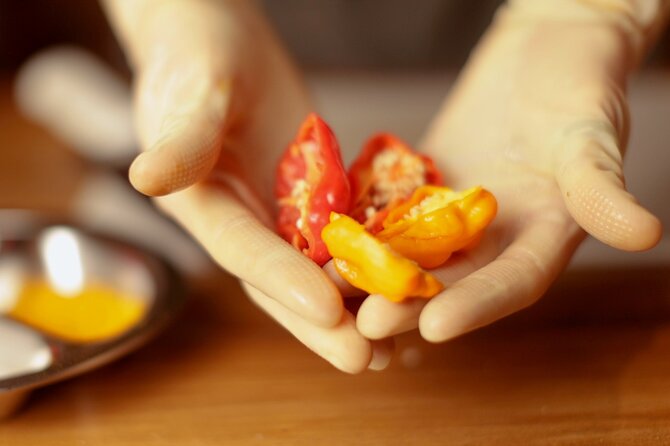
Once you have your peppers, you move into the mixing portion. You will blend them together using the provided ingredients, with expert tips along the way. This is one of those activities where you feel your brain switch from tourist mode to maker mode.
What makes this part work is the pace. You are not rushing to finish a recipe you cannot pronounce. You are building a sauce in steps, with guidance while you do the actual work. That keeps it from becoming a lecture.
Most importantly, the class is designed for adjustment. You will taste as you go and you can tweak the mix until it matches your liking. That is a huge deal if you have ever had a disappointing result from cooking something at home. Here, you are not guessing. You are responding to your own palate in real time.
Taste and adjust: how you get the heat level you actually want
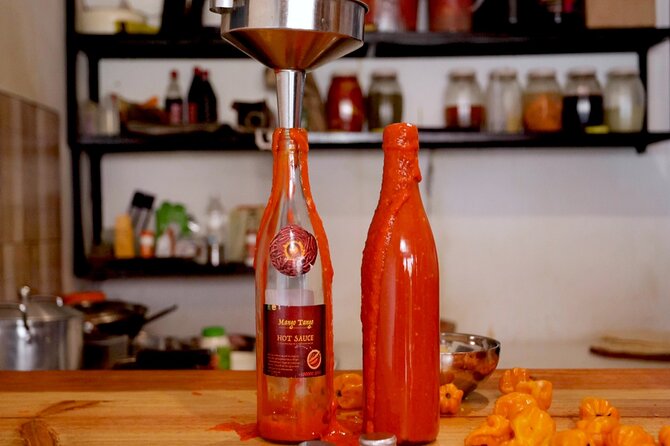
The tasting step is the secret sauce, pun fully intended, even if you keep it family-friendly. You will taste your mix during the session and adjust until it feels right.
This does not mean the guide throws mystery ingredients at you. It means they help you reach balance. Even without getting too technical, you will learn that heat is not the only factor. You are building a sauce that should taste like something, not just burn.
If you want practical advice for your own preferences:
- If you want flavor first, keep your heat expectations moderate and rely on tasting to steer.
- If you love spicy food, you can push the mix toward stronger peppers and stronger burn, but do it by adjusting, not by hoping.
Also, the class is friendly to experimentation. You can add your own twist with extra spices during the session if you want to personalize your flavor profile. That is a great option if you know you like things like extra tangy notes or deeper spice warmth, even if the session itself stays focused on the basics.
Fermentation explained for extra kick: what you learn and why it matters
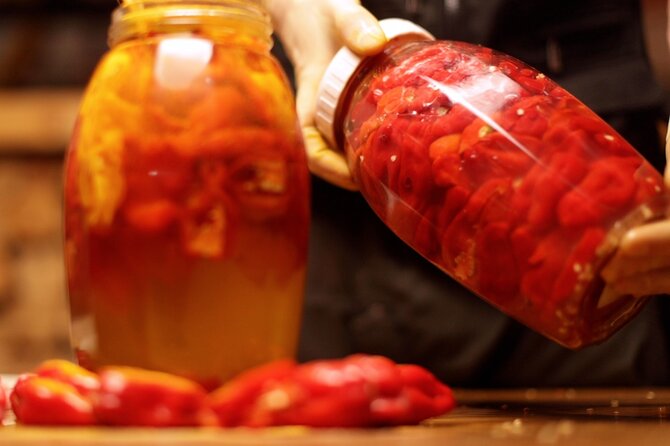
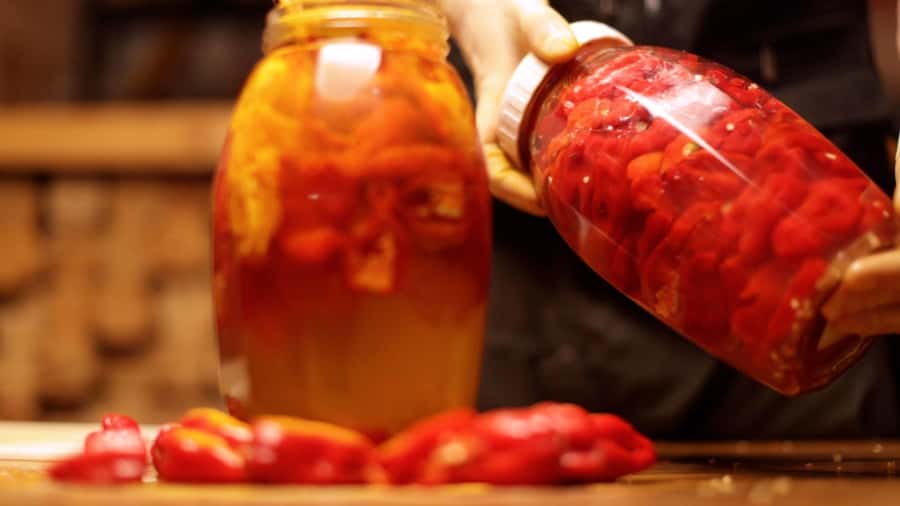
During the hot sauce making time, your guide will talk about fermentation. The main takeaway is that fermentation can add an extra kick and deepen the flavor. It is one of those food processes that sounds complicated until someone makes it understandable.
What I like about this portion is that it gives you context. You are not just following steps, you are learning why those steps exist. Fermentation is often used to build complexity over time, and knowing that helps you appreciate why some hot sauces taste richer instead of flat.
Even if the session is short, the education is useful for later. You will leave knowing what to look for when you buy fermented hot sauces, and you will understand why homemade sauce can taste different from store options. That knowledge makes your bottle at home more than a souvenir. It becomes a lesson you can repeat.
Bottling your Kigali souvenir: how the take-home part works
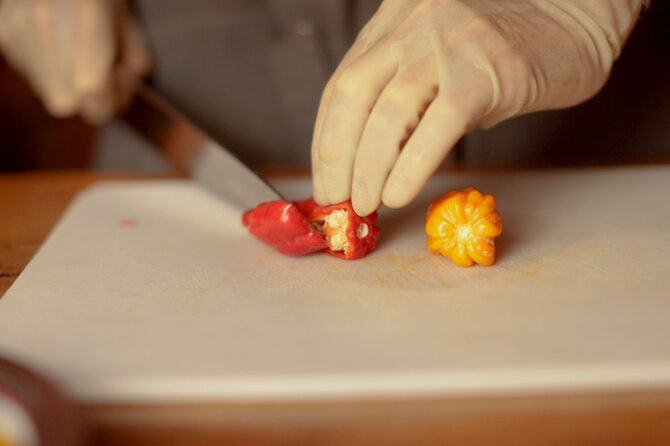
This class ends in the best possible way: you bottle your hot sauce so you can take it home. Bottles are included, and the goal is clear. You should be able to share your creation with friends and family, or keep it for your own next meal.
This is not a small detail. A lot of food classes give you a taste at the time, then you leave empty-handed. Here, your sauce becomes the souvenir. That means you will actually remember the flavor later, not just the experience.
It also encourages you to make a sauce you truly want to eat. Since you are taking it home, you can be honest about your preferences during tasting. If you know you want it milder, you can adjust for that. If you want it hotter, you can push it and know you are not leaving it behind in someone else’s kitchen.
The guide experience: tips plus Rwanda stories from James
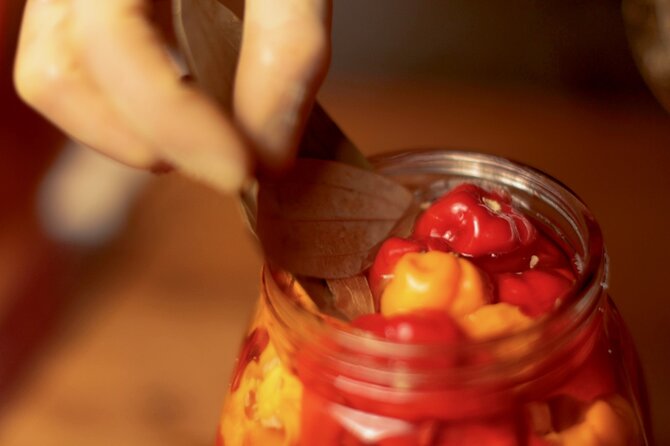
A big part of the value in this kind of class is the human factor, and the sessions can deliver that. One standout detail from participant feedback is James, a guide who also owns the restaurant. He shared personal stories and educated people about Rwanda and the people, while still keeping the hot sauce making at the center.
You should expect this blend of practical food guidance and cultural context. Even if you just want to focus on making sauce, a good guide helps you understand the choices behind the peppers and the fermentation conversation. And if you are the type who likes learning how people live, not just what they eat, this is a nice bonus.
Because the instructor languages are English and Russian, you can also expect clear explanations if you speak either. That matters in cooking, where tiny misunderstandings can lead to big flavor differences.
Price and value: is $35 worth it for 90 minutes?
At $35 per person for 90 minutes, this is priced like a focused, guided class, not a big tour with lots of waiting. The value comes from what is included:
- Guided hot sauce making
- Pepper selection
- Ingredients for mixing
- Bottles for your sauce
- Tips from experts
The biggest “value signal” is the small group limit, capped at 10. That usually means less crowding, more attention, and better hands-on time. When you can actually participate, you are paying for an experience that sticks.
What is not included is also important for your planning. Transportation is not included, and extra food or drinks are not included. That is not a deal breaker, but it means you should budget for getting there and for your own meal planning around the class.
If you are looking for a uniquely Kigali souvenir and you like spicy food, $35 feels fair. If you dislike peppers or cannot handle heat, you might feel like you paid for something you cannot enjoy. In that case, either adjust expectations or skip it.
Time, group size, and what to expect during the 90 minutes
This experience runs 90 minutes. That time window is long enough to do real work, but short enough that it does not swallow your whole day. It is a good option if you want one activity that is active and memorable without needing an entire evening.
With a small group up to 10, you should expect a relaxed pace and enough room to ask questions. That matters because pepper heat and flavor choices can be personal. The guide can respond when you say, I want it hotter, or I prefer it mild.
The class is also designed around conversation. You will talk about fermentation and improving the taste, and you can add your own extra spices. That gives you room to customize without having to fully invent a recipe from scratch.
Who should book this class, and who should skip it
This is best for you if:
- You like experimenting with food.
- You want an edible souvenir you can actually use.
- You are curious about fermentation and why it changes flavor.
- You enjoy spicy food or at least can tolerate heat during tasting.
It is probably not the best fit if:
- You cannot handle spicy food.
- You have allergies to peppers.
That last point matters. Cooking classes that involve peppers and mixing are not the right place to “maybe I will be fine.” If you have any uncertainty about allergies, treat it seriously.
Even if you do not normally love hot sauce, the experience can still appeal to your interest in the craft. The activity is about making and learning, not just eating a finished sauce at full intensity. Still, you should be honest with yourself about what heat level you can handle during tasting.
Planning your Kigali day around the class
Transportation is not included, so you will want to build around how you are getting to your session. Plan a little extra time to arrive and settle in, since the experience is 90 minutes and you do not want to rush.
Because extra food and drinks are not included, think about meals around the class. If you are sensitive to spicy food, you may want a calmer meal before or after so you are not hungry and stressed during tasting.
This is also the kind of activity that pairs well with a broader Kigali food plan. If your guide shares stories and points you toward local eating, you might end up treating the class as part of a larger day of discovery, not a one-off task.
FAQ
FAQ
How long is the hot sauce making experience in Kigali?
It lasts 90 minutes.
How much does the experience cost?
The price is $35 per person.
What peppers can I choose from?
You can choose from jalapeños, habaneros, and the local favorite, pili pili.
Will I get to taste and adjust my sauce?
Yes. You will taste as you go and adjust to your liking.
Can I take my hot sauce home?
Yes. You will bottle your hot sauce and take it home.
What is included in the price?
Included are guided hot sauce making, a selection of peppers, ingredients for mixing, bottles for your hot sauce, and tips from the expert instructor.
What is not included?
Transportation is not included, and extra food or drinks are not included.
Is it offered in English and Russian?
Yes. The instructor speaks English and Russian.
What if I cannot handle spicy food or have pepper allergies?
If you cannot handle spicy food or have allergies to peppers, this might not be the best activity for you.
Can I cancel for a full refund?
Yes, you can cancel up to 24 hours in advance for a full refund.
Should you book this Kigali hot sauce class?
I think you should book it if you want something active, hands-on, and genuinely different from another city walk. The small group size, the pepper choice, and the taste-and-adjust method make it feel personal, not scripted. And the fact that fermentation is discussed gives you more than just a meal project. You leave with knowledge you can use and a bottle you can open later.
Skip it if spicy food is a hard no for you, or if you have pepper allergies. In that case, you would likely spend the session thinking about avoidance instead of enjoying the craft.
If you are on the fence, the decision rule is simple. If you can handle a guided tasting and you like the idea of making an edible Kigali souvenir, this is a solid pick for your time in Rwanda.
More Tour Reviews in Kigali Province

More of Rwanda, reviewed
- Discover Kigali’s Nightlife with Aline
★ 4.2 · 4 reviews
The rest of Kigali Food & Drink Experiences.
 ★ 5.0Rwanda Half-Day Walking Food TourFrom $8935 reviews
 ★ 4.9Guided Art, History, and Food Tour with Moto RideFrom $2534 reviews
 ★ 5.0Learn How to Make Hot Sauce from ScratchFrom $3512 reviews
 ★ 5.0Local Community Tour(Cultural, Coffee,Village walk,Local food)From $1708 reviews
 ★ 5.0Kigali City Tour with Local Expert & Local FoodFrom $1358 reviews
 ★ 5.0Vegan Fine Dining ExperienceFrom $355 reviews
 ★ 5.0Walking Food Tour in Remera and KigaliFrom $994 reviews
 ★ 5.0Rwandan and Syrian Food TourFrom $354 reviews
Other lists it sits in