
REVIEW · KIGALI FOOD & DRINK EXPERIENCES
Local Community Tour(Cultural, Coffee,Village walk,Local food)
Coffee and banana beer start the day, but the stories and hands-on food work keep you there. This Cultural, Coffee, Village walk, Local food experience is built around spending time with a Rwandan family, learning how daily life works, and then eating what you help prepare, on traditional tools.
I especially like the way this tour mixes traditional cooking with a village walk, so you get more than a quick photo stop. You also get a proper chance to try local foods and drinks, including banana beer after the preparation.
One consideration: at $170 per person for a 4 to 7 hour outing, it can feel pricey if you only want one or two activities. The day works best when you show up ready to choose a focus, then go with the flow.
In This Review
- Key highlights to know before you go
- How Kigali Pickup Turns Into a Village-First Day
- Home Host Highlights: Drumming, Traditional Cooking, and Medicinal Plants
- Agro Tourism Track: Banana Beer Brewing and Coffee From Plantation to Cup
- Village Walk: Meeting People, Not Just Passing Through
- Lunch, Tastes, and the Food Work You Can Expect
- Mount Jali Adventure: Hiking With Binoculars and Sticks
- Price and Value: Is $170 Worth It?
- What to Bring for Early Start, Walking, and Rain
- Who This Tour Fits Best, and Who Might Want Something Else
- Should You Book This Kigali Village, Coffee, and Local Food Tour?
- FAQ
- What time does the tour start in Kigali?
- How long is the Kigali village, coffee, and local food tour?
- Is pickup offered?
- What is included in the price?
- Do I need to bring my own food or snacks?
- Is the COVID-19 test required?
Key highlights to know before you go
- Choose your focus with Home host activities, Agro tourism, or Mount Jali adventure add-ons
- Traditional cooking tools like imbehe and inkoko make the meal process part of the show
- Banana beer brewing covers plantation juice, fermentation, and tasting
- Coffee preparation runs from plantation to the cup, not just a finished drink
- Village walk time gives you real conversation, not a scripted talk-and-run
- Bring rain gear and good shoes, because walking and hiking are part of the plan
How Kigali Pickup Turns Into a Village-First Day
The tour starts early, around 7:00 am, with pickup in Kigali. After that, the schedule shifts from city time to family rhythm. That matters because much of the experience is about morning routines, farming, and food work, not just cultural performances.
You’ll notice the pace is active but not rushed. You might spend time walking through the village and then pivot to hands-on tasks like grinding grain or smashing bananas. Even the meal feels like part of the tour rather than something you fit in between checkpoints.
Because the experience is described as a private tour, your group stays together for the day. That usually means a more flexible feeling, especially if you’re choosing between tracks like home-host activities, agro tourism, or hiking.
Where else to eat your way through Kigali
- Kigali: Guided Art, History, and Food Tour with Moto Ride★ 4.9 · 34 reviews
- Kigali: Learn How to Make Hot Sauce from Scratch★ 5.0 · 12 reviews
- Local Community Tour(Cultural, Coffee,Village walk,Local food)★ 5.0 · 8 reviews
- Kigali City Tour with Local Expert & Local Food★ 5.0 · 8 reviews
Home Host Highlights: Drumming, Traditional Cooking, and Medicinal Plants
If you want the most direct feel of family life, the Home host route is your best bet. This is where the tour leans hardest into culture through movement, sound, and everyday work.
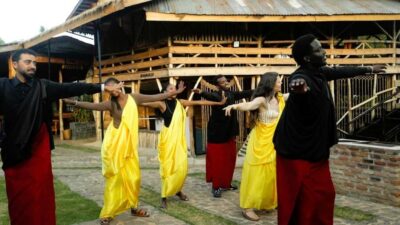
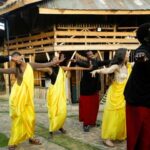
You can expect traditional dance and drumming, plus storytelling with the family. Drumming is often the part people remember because it is physical and interactive. It also gives you context for why music matters in village life, not just how to watch a performance.
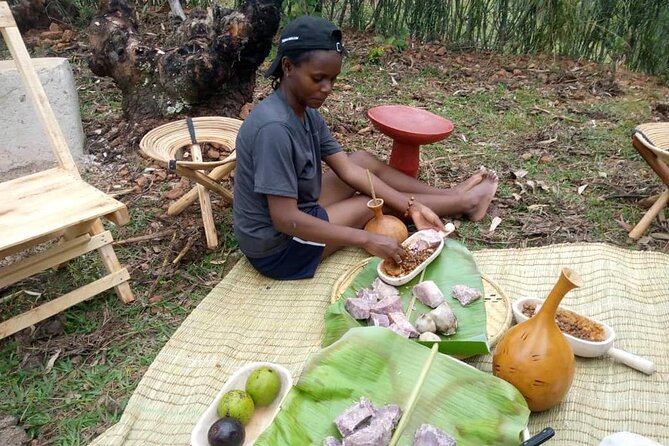
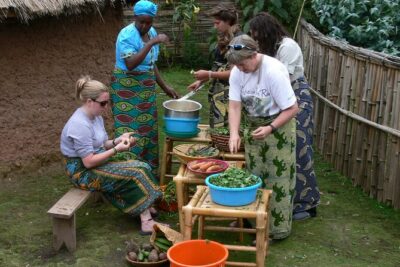
Food is another big pillar here. You’ll learn about traditional cuisine and, importantly, how it is prepared. The tour describes meals cooked and served using traditional tools such as imbehe and inkoko. It also includes tasting, so you’re not just observing a cooking lesson.
Then comes a surprisingly educational layer: local medicinal plants. The experience includes local plant taxonomy and uses of plants linked to healing illnesses. You should treat this as traditional knowledge shared by your host, not medical advice. Still, it’s a fascinating window into how people understand and categorize plants around them.
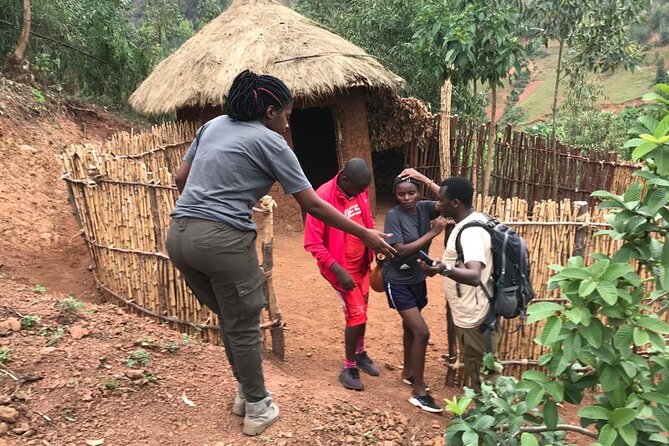
Walking is folded in as well. You’ll meet and interact with local people during the village walk, which helps you connect the food and farming lessons to the real geography of daily life.
Agro Tourism Track: Banana Beer Brewing and Coffee From Plantation to Cup
If you’re a foodie with a caffeine habit, the Agro tourism option is where this tour gets really practical. Instead of arriving at a drink already made, you work through the process.
Banana beer is a highlight. The experience includes a brewing journey starting at the banana plantation, then moving through juice making, fermentation, and finally beer tasting. That sequence matters because it turns a beverage into a story of labor, timing, and natural processes. You also get a sense of why banana beer is not a novelty drink, but part of how the region uses what grows nearby.
Coffee preparation is the other star in this track. You’ll go from plantation to the cup, which usually means you’ll see how coffee is handled before it reaches your mug. Even without getting technical about every step, you come away with a clearer picture of how coffee fits into work schedules and what families actually do with the harvest.
Some agro experiences also include traditional cattle and cows plus a milking component. That is a very direct connection to farming life. It also helps you understand why early mornings are a big deal, since feeding and animal care start the day.
One note to keep your expectations realistic: you’re choosing highlights among the main activity groups. So if banana beer and coffee are your top priorities, lean into the track that emphasizes them, and don’t assume you’ll do every single farming task.
Village Walk: Meeting People, Not Just Passing Through
A good village walk can either feel like a guided stroll or a meaningful connection. This tour aims for the second one by building in real conversation and interactions with the community.
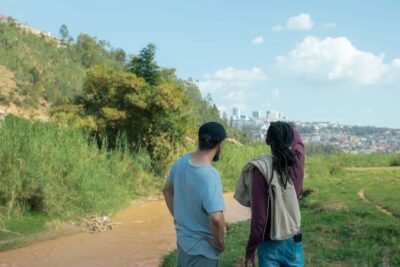
You’ll spend time walking with your guide and meeting people. That gives you a chance to ask normal questions like what people grow, how they manage daily tasks, and how family routines work. You’ll also see how the environment shapes food and drink choices, from plants used for cooking to things used in traditional remedies.
This is also where the day becomes more than a checklist. Once you’ve walked the routes and met people, the drumming, cooking, and brewing lessons feel grounded.
Wear shoes you trust. The tour strongly suggests hiking shoes, and rain gear is also recommended. Even a short village walk can turn into a muddy or slippery path when weather shifts.
Lunch, Tastes, and the Food Work You Can Expect
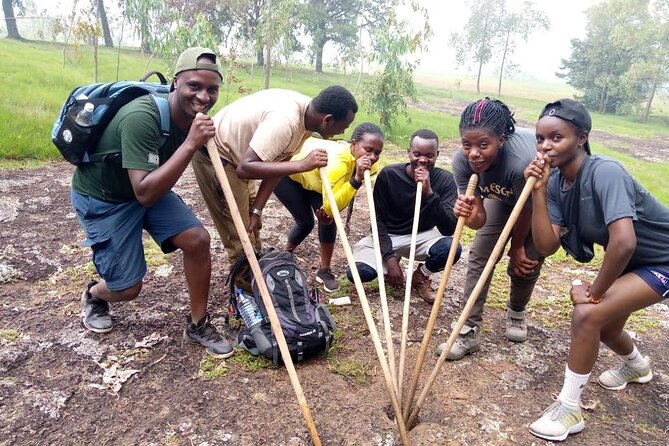
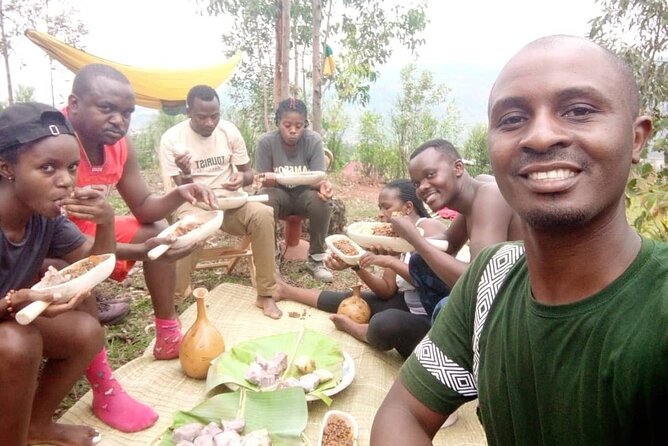
Lunch is included, and it’s tied to the local food theme in a way that feels intentional. The plan is built around learning how dishes are prepared and then eating what you help make.
If you choose the home-host route, your meal can include traditional cuisine cooked on traditional tools like imbehe and inkoko. If you lean agro, your day may center more on how banana beer and coffee connect to the local food system, then lunch comes as part of the family meal.
You can also expect hands-on grain and banana prep moments. The experience description includes smashing bananas and grinding sorghum grain on a grinding stone. Those are not tiny details. They are the physical parts of food culture, and you get a chance to do them with guidance rather than just watch.
And yes, banana beer shows up after meal time, with local people. It’s not just a souvenir drink. It’s part of the day’s rhythm, and if you keep your pace steady, it’s a memorable closer.
Quick practical tip: the tour recommends bringing heavy snacks and sugar content drinks. That’s a strong hint that the day can involve active walking and hands-on tasks. If you tend to get hungry between meal moments, plan to nibble.
Mount Jali Adventure: Hiking With Binoculars and Sticks
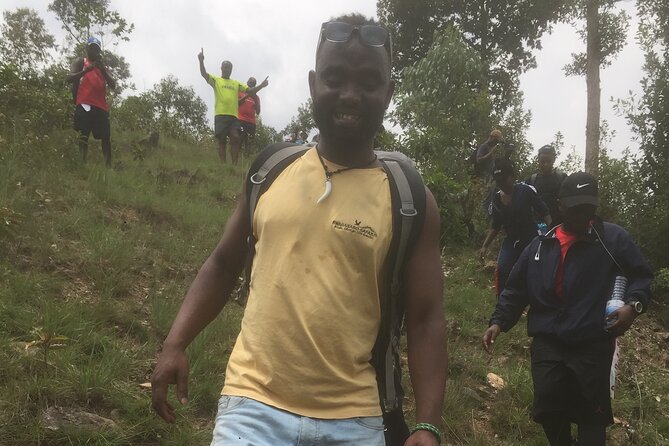
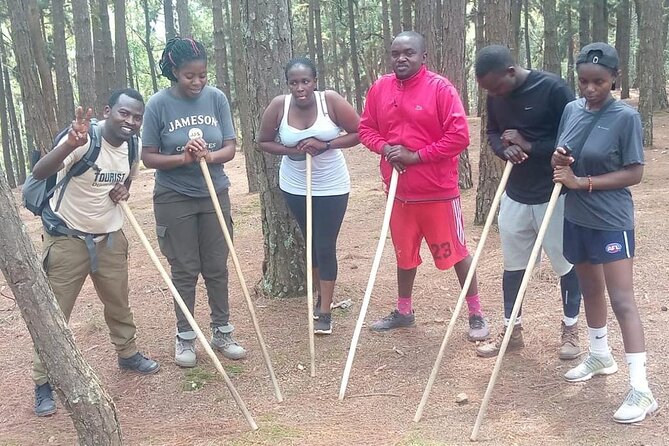
For an outdoors-focused version of this experience, the adventure option can include hiking on Mount Jali. The plan mentions hard and high or medium elevation hiking, so you’re not locked into one difficulty level.
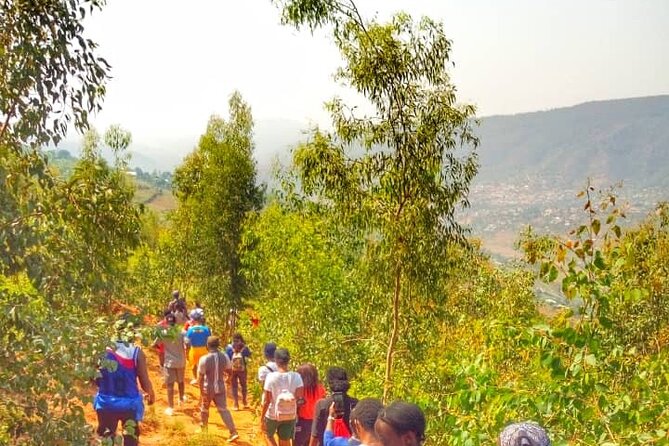
The experience also describes using binoculars and hiking sticks while enjoying views. That setup suggests the hike is meant to be both active and scenic, with time to look out over the area.
In practical terms, hiking changes the character of the day. You’ll spend more time moving, and you’ll want good shoes, water, and rain protection. The tour lists hiking shoes and rain coats as recommended items, which you should take seriously if you’re booking for the rainy season.
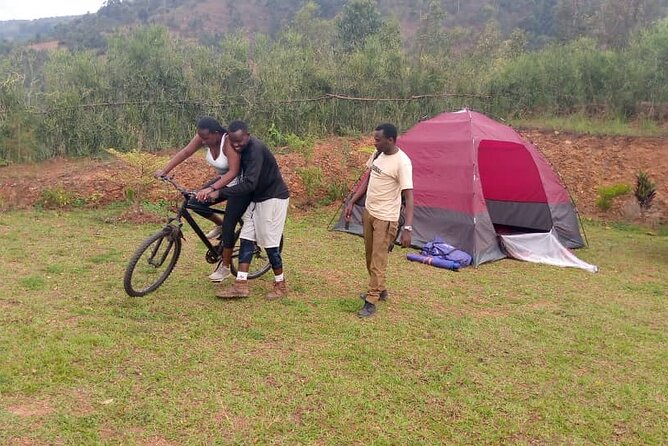
Camping is listed as an option in the adventure activities. Because your overall tour window is listed as 4 to 7 hours, you should confirm how camping fits your specific day. If your schedule is tight, ask what camping means for your departure time so you don’t get surprised.
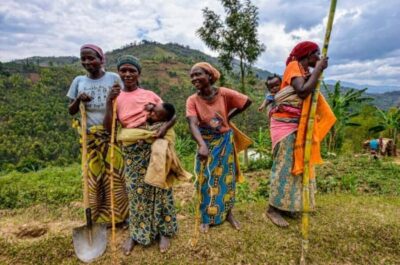
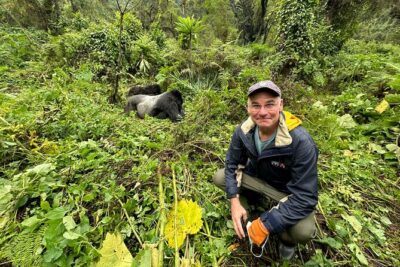
Village visits and homestays, side by side

Price and Value: Is $170 Worth It?
At $170 per person, this tour sits in the mid to upper range for Kigali village experiences. The math changes depending on what you want from the day.
Here’s what you do get that helps justify the cost:
- Transport is included, so you’re not stuck coordinating rides on your own
- Entrance permit and guiding fees are included
- Lunch and bottled water are included, plus soda/pop
- You’re paying for access to a Rwandan family setting where cooking, brewing, and storytelling are the core product
Also, the day is long enough to feel like a real outing. A 4 to 7 hour window gives time for interactions, hands-on prep, and eating, instead of compressing everything into a short drive-by.
What can make it feel overpriced is exactly what one piece of feedback suggests: if you expected a quick cultural overview, the price can feel high relative to how many activities you actually do. The tour is structured so you choose highlights among the main activity groups, so you should decide what matters most before you arrive.
If your priorities include coffee process, banana beer brewing, or drumming plus cooking, the value usually feels stronger because those are the expensive parts for a host family in time and labor.
What to Bring for Early Start, Walking, and Rain
The tour gives a clear packing list for a reason. Take it seriously.
Bring:
- Water
- Heavy snacks
- Sugar content drinks
- A rain coat
- Hiking shoes
If you go with the Mount Jali option, shoes matter even more. If you skip the hike track, rain can still make village walking uncomfortable, and the rain coat recommendation is not just polite.
Also consider a small day bag for snacks and anything you want to keep dry. Keep your hands free for walking sticks if the hike includes them.
For photographers, the day includes a lot of close activity, cooking, grinding, brewing steps, and face-to-face conversation. That’s great for photos, but remember that you’re visiting people. A respectful approach and asking before photographing helps everything go better.
Who This Tour Fits Best, and Who Might Want Something Else
This experience is a strong match if you want:
- A day built around local food, including cooking and tasting
- Coffee and banana beer that come with process and context
- A village walk that includes talking with people, not just a route
- Optional outdoor time on Mount Jali if you like views and movement
It’s less ideal if you:
- Want a passive sightseeing day with minimal participation
- Only care about one culture element and nothing else
- Have zero interest in walking on uneven paths
The format works best when you show up curious and ready to take part. Even small tasks like grinding grain or smashing bananas make a big difference in how much you get out of the day.
Should You Book This Kigali Village, Coffee, and Local Food Tour?
I think you should book if you want a Rwanda day that feels human scale. The structure is built around family time, food work, coffee process, banana beer brewing, and village walking. That combination is hard to recreate on your own unless you already have strong local contacts.
I’d hesitate only if the $170 price makes you nervous and you mainly want a short cultural stop. In that case, you might feel like you are paying for access, time, and labor, and not just for performances.
If you go, commit to the day’s chosen focus. Pick home-host for drumming, cooking on traditional tools, plant knowledge, and village interaction. Pick agro tourism for banana beer brewing and coffee from plantation to cup. Pick Mount Jali if you want hiking views and outdoor time.
FAQ
What time does the tour start in Kigali?
The start time is 7:00 am.
How long is the Kigali village, coffee, and local food tour?
It runs about 4 to 7 hours.
Is pickup offered?
Yes, transport and pickup are included.
What is included in the price?
The package includes transport, entrance permit, guiding fees, lunch, bottled water, and soda/pop.
Do I need to bring my own food or snacks?
Lunch is included, but the tour recommends bringing heavy snacks and sugar content drinks for the day.
Is the COVID-19 test required?
No. A COVID-19 test is not required, and it is listed as not recommended.
Village Days Across Rwanda
Kigali on a Full Stomach


More Tour Reviews in Kigali

More of Rwanda, reviewed
- Private Memorial Day Tour Ntarama and Nyamata
★ 5.0 · 3 reviews - Ntarama and Nyamata Genocide Memorial Day Tour
★ 4.5 · 3 reviews - From Kigali: 8 Hour Day-trip Lake Kivu Cruise Experience
★ 4.5 · 3 reviews - Bar Hopping Tour in Kigali Nightclubs
★ 4.0 · 3 reviews - Kigali City Tour and Sightseeing
★ 5.0 · 3 reviews
The rest of Kigali Food & Drink Experiences.
 ★ 5.0Rwanda Half-Day Walking Food TourFrom $8935 reviews
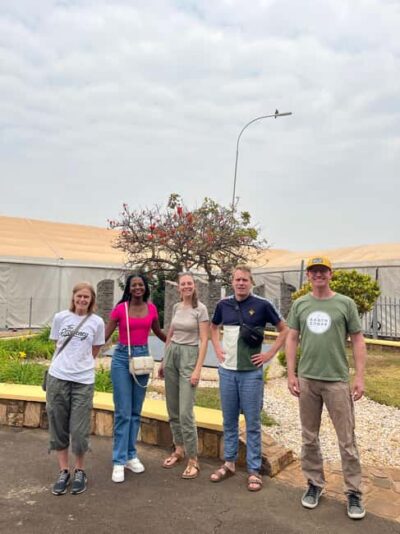 ★ 4.9Guided Art, History, and Food Tour with Moto RideFrom $2534 reviews
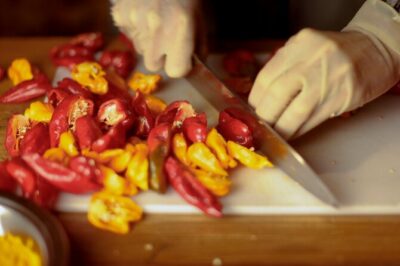 ★ 5.0Learn How to Make Hot Sauce from ScratchFrom $3512 reviews
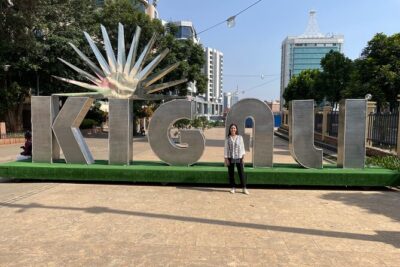 ★ 5.0Kigali City Tour with Local Expert & Local FoodFrom $1358 reviews
★ 5.0Learn How to Make Hot Sauce from ScratchFrom $355 reviews
★ 5.0Kigali City Tour with Local Expert & Local FoodFrom $1358 reviews
★ 5.0Learn How to Make Hot Sauce from ScratchFrom $355 reviews
 ★ 5.0Vegan Fine Dining ExperienceFrom $355 reviews
 ★ 5.0Rwandan and Syrian Food TourFrom $354 reviews
 ★ 5.0Walking Food Tour in Remera and KigaliFrom $994 reviews