
REVIEW · RWANDAN CULTURAL VILLAGE EXPERIENCES
Kigali: Learn the Amaraba Dance Experience in Kigali
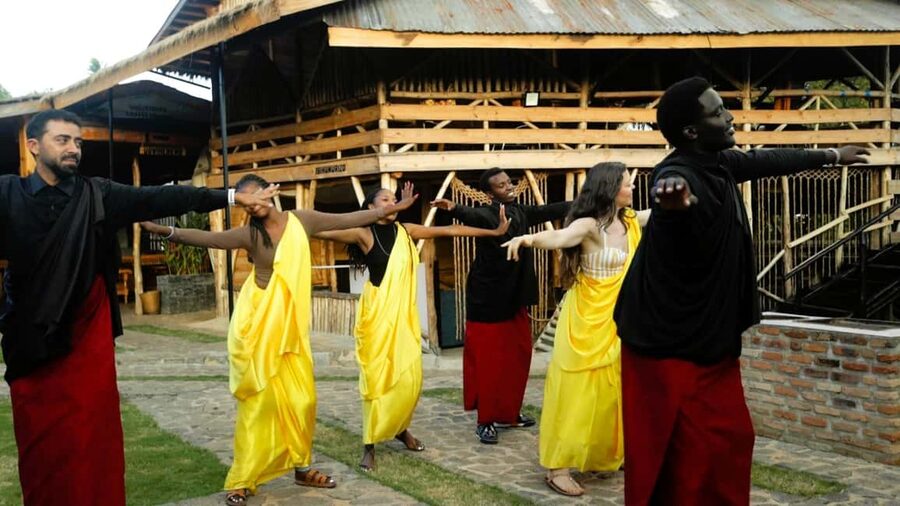
One hour, big rhythm. This is a hands-on way to learn Amaraba dance in Kigali, guided by local dancers and powered by live Rwandan drumming. I like that you do the dancing, not just watch, and I especially like the cultural coaching that explains what the movements mean, not only how to copy them.
The main trade-off is practical: you’ll be on your feet and moving for most of the session, and the drumming can feel loud. It also isn’t a fit for kids under 10 or for people with limited mobility, and the session may feel intense for older adults (it’s listed as not suitable for people over 70).
Key things I’d tell a friend before booking
- Interactive, not a spectator show: you learn steps and join the group.
- Live drumming drives the class, so timing matters and you feel the beat.
- Culture explained as you go, with meaning and symbolism behind moves.
- Photos are part of the experience, with the chance to have shots with dancers.
- English instruction helps you keep up without guessing the steps.
In This Review
- Why Amaraba in Kigali feels different from a dance show
- What to expect in the first minutes: drums, cues, and your first moves
- Learning Amaraba steps, gestures, and the rhythm you can feel
- The meaning behind the moves: symbolism that gives you context
- Drumming that sets the pace, and why it can be a lot
- Photos, costumes, and how to leave with real souvenirs
- Price and value: is $30 for 1 hour a fair deal?
- Practical logistics in Kigali: timing, language, and what to bring
- Who this Amaraba dance lesson is perfect for
- Who should skip or reconsider before booking
- A note on turning it into an evening
- Should you book the Kigali Amaraba dance experience?
- FAQ
- How long is the Amaraba dance experience in Kigali?
- How much does the Amaraba dance experience cost?
- Is this a show or an interactive class?
- What language is the instruction offered in?
- What should I bring?
- What is included, and what is not included?
Why Amaraba in Kigali feels different from a dance show
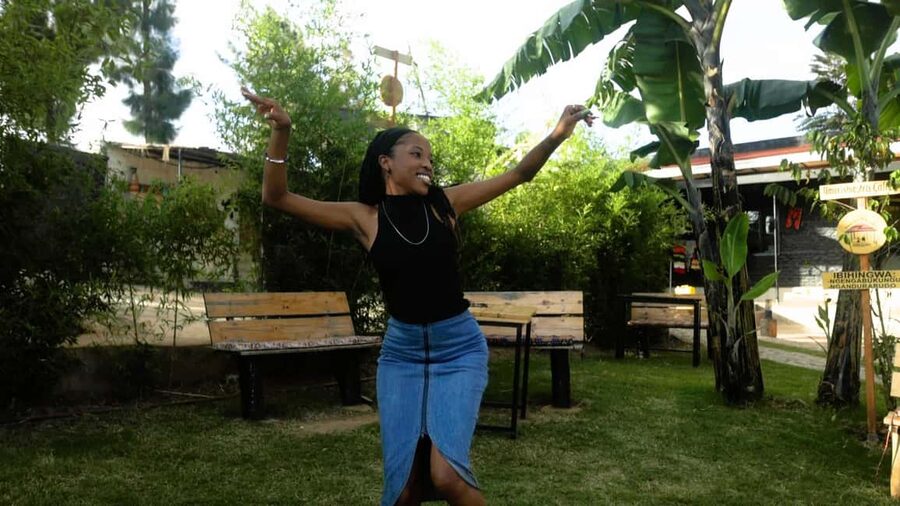
Most dance experiences start and end with you watching. Amaraba flips that. You’re learning in real time, with local dancers guiding your body and your timing, while the drumming sets the pace.
The best part is that this isn’t just choreography homework. You get the “why” behind the movement, so your brain isn’t stuck on counts and foot placement the whole time. You’re learning the dance and picking up the stories and symbolism that make it matter in Rwandan culture.
The group energy matters too. The vibe is friendly, with a kind of encouragement that makes it feel safe to get it wrong and try again. If you’re the type who gets restless standing still, this format will click.
What to expect in the first minutes: drums, cues, and your first moves
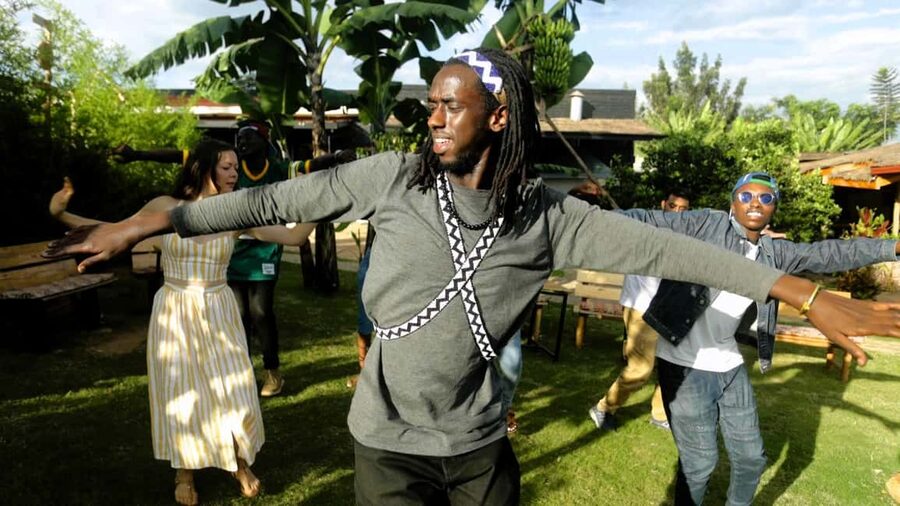
The session starts with the sound of the drums. That first drumbeat matters because it pulls you into the rhythm right away. You won’t be waiting around for a lecture, you’ll be reacting, counting, and copying motions with the group.
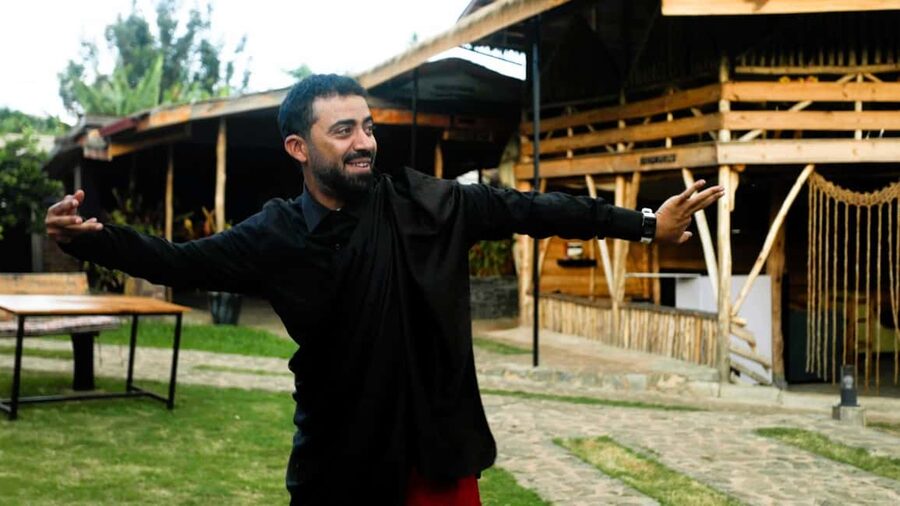
Expect step-by-step instruction from the dancers. They guide you through gestures and body positions in a way that’s built for participation, not performance nerves. Even if you’ve never danced in your life, the coaching is structured so you can follow along.
And since the class is about joining in, you should come ready to move. Wear shoes that you’re comfortable walking and bouncing in, and plan to use your camera only when the moment allows.
Village visits and homestays, side by side
- Kigali: Mount Kigali and Cultural Village Tour with Snacks★ 4.8 · 62 reviews
- One Day Gorilla Trekking Rwanda & Iby’iwacu Cultural Village★ 5.0 · 13 reviews
- 1 day Cultural Adventure Tour in Lake Kivu★ 5.0 · 13 reviews
- Kigali: Learn the Amaraba Dance Experience in Kigali★ 4.8 · 12 reviews
Learning Amaraba steps, gestures, and the rhythm you can feel
Amaraba dance is taught through sequence. You’ll work through the moves in order, so each part makes sense in the context of what comes next. The dancers and drummers act like a roadmap, with cues that tell you when to shift pace or change the gesture.
What I like about this teaching style is that it builds confidence quickly. You start with simpler motions, then the steps layer on top of each other. By the time you reach the more energetic parts, your body already knows what “the rhythm” feels like.
You’ll also use your arms and upper body, not only feet. That’s key for the authenticity of the experience. Amaraba isn’t a tiny movement dance, it’s expressive. If you hold yourself stiff, you’ll feel it immediately, so let your shoulders and hands participate.
The meaning behind the moves: symbolism that gives you context
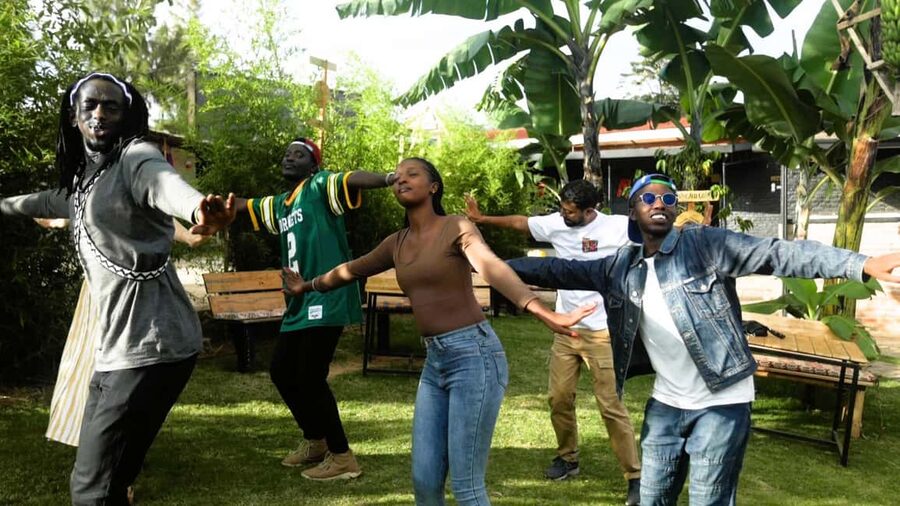
You come away remembering steps, sure. But the stronger payoff is the explanation behind each movement: the history, symbolism, and stories tied to what you’re doing.
That matters because dance is communication. When you learn the meaning as you go, you stop treating it like a random workout routine. Instead, you understand why a gesture matters, why a shift in posture might represent something, and what the dancers are expressing through timing and motion.
This is also where asking questions fits in. The experience is guided and interactive, so you’re not just copying, you can also check understanding with the dancers or guide. If you like connecting the dots while you travel, this part is going to feel like the real win.
Drumming that sets the pace, and why it can be a lot
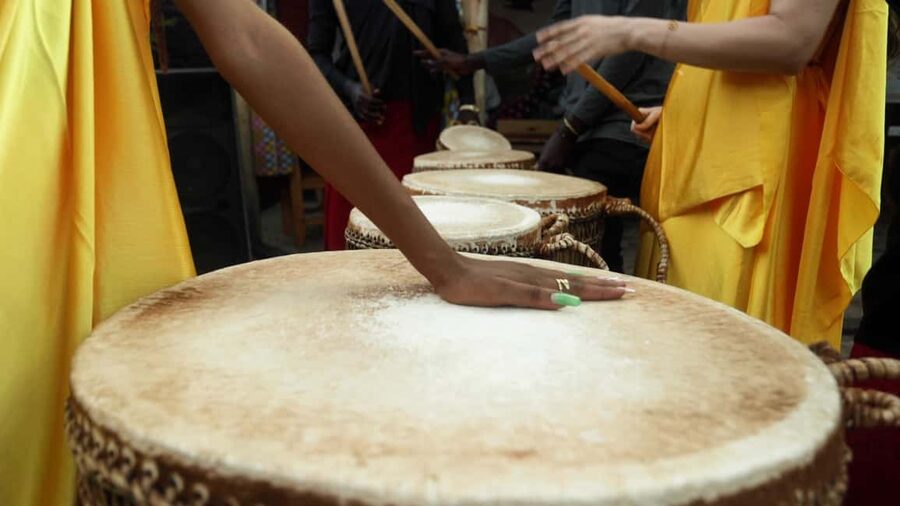
Live drumming is a core ingredient here. You’re following along to it step by step, which means you need to stay tuned in with your ears as much as your eyes.
That’s great for focus and energy. It’s also why the experience isn’t listed as suitable for everyone. If loud drumming makes you uncomfortable, or if you’re traveling with someone who startles easily, this is an important consideration before you book.
Practically, plan for sound. Come in mentally ready for it to be loud for stretches, especially when the group hits higher-energy sections.
Photos, costumes, and how to leave with real souvenirs
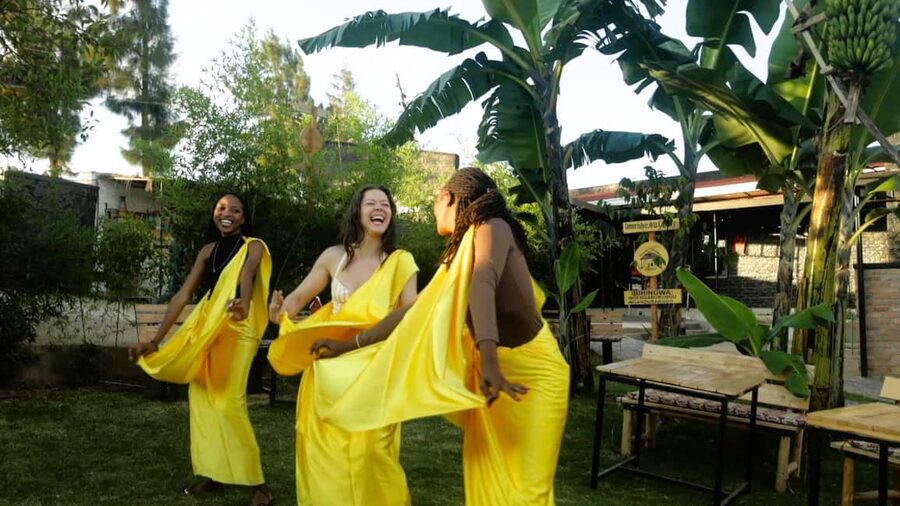
The colorful costumes are a big part of the look and feel. You’ll likely get multiple moments to take photos, and there’s also the possibility to have photos with the dancers.
Tip: don’t treat photos as something you do at the last second. If you want the best shots, be ready to raise your camera during the natural breaks or when the group is repositioning. During the busiest moments, focus on learning first, then grab images once the teaching gives you the space.
Also remember the simple rule of travel photography: if you’re blocking someone else’s view or you’re stepping into the dance space, pause. The dancers are guiding your group, so stay out of their path.
Price and value: is $30 for 1 hour a fair deal?
At $30 per person for about an hour, you’re paying for more than an entry ticket. You’re paying for instruction, interpretation, and participation with local performers.
Here’s the value equation I see:
- You get live drumming plus guided teaching, which is labor-intensive and time-bound.
- You’re not only learning steps, you’re getting meaning behind the movement, which turns the hour into something educational.
- You’re allowed to participate, and you might get photos with dancers, so you leave with memories beyond a quick snapshot.
Is it cheaper than a museum ticket? Often, yes. Is it more active and personal than many sightseeing stops? Usually, it is. If your goal is to experience Rwanda through action instead of observation, $30 for a focused hour can feel like a bargain.
If your idea of travel is mostly low-energy and sitting around, then this may feel pricey because you’re paying for movement time, not just access.





Practical logistics in Kigali: timing, language, and what to bring
The class runs for 1 hour, with starting times depending on availability. The instruction is listed as English, which helps a lot if you’re traveling without French or Kinyarwanda.
Bring a camera if you want photos. That’s the only item explicitly called out, but the bigger practical suggestion is to come ready to move comfortably for the duration. If you normally rely on extra help to get around, this experience may not be the right fit because it requires being on your feet for most of the session.
A few rules to keep in mind:
- Baby strollers, baby carriages are not allowed.
- Alcohol and drugs are not allowed.
And if you’re traveling with kids: the session is listed as not suitable for children under 10. For younger kids, the loud drumming and the active group setting could be overwhelming.
Who this Amaraba dance lesson is perfect for
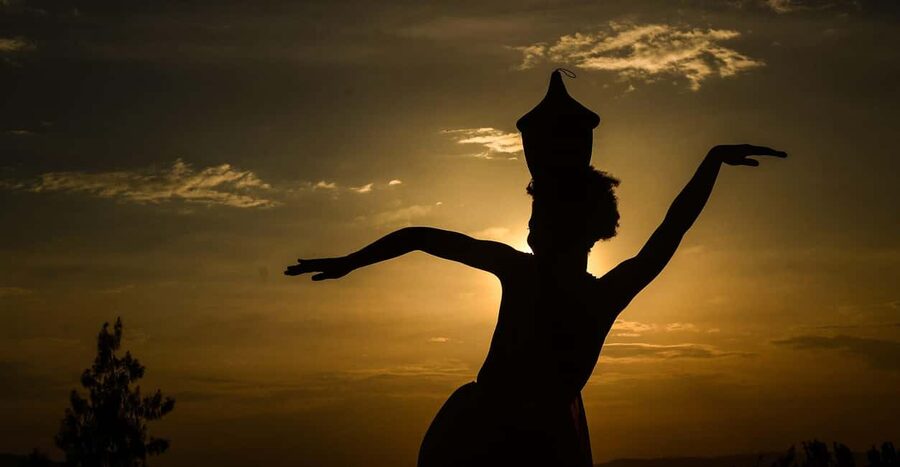
This is ideal for travelers who want culture they can do, not just culture they can read about later. If you enjoy workshops, dancing, drumming, and interactive activities, you’ll likely have a great time.
It also works well if you like learning through explanation. You get cultural insight as the steps are taught, including stories and symbolism behind the movements. That gives you a souvenir you can actually explain to friends back home.
A plus: the atmosphere described is warm and welcoming, with friendly guidance. That kind of encouragement matters in a class where you might feel awkward at first.
Who should skip or reconsider before booking
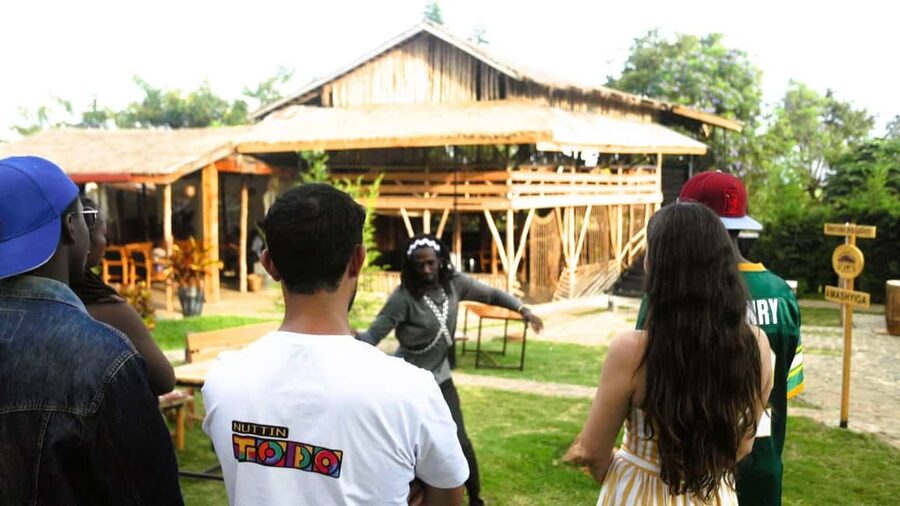
If you have impaired mobility and can’t comfortably stand and move for most of the session, it’s not suitable. The same goes if you’re sensitive to loud drumming.
It’s also listed as not suitable for people over 70. Age limits like this are often about comfort and energy levels, and in this case it’s tied to staying active and dealing with sound.
For families, it’s not suitable for little children, especially those who might get overwhelmed by the drumming and group energy. If you’re traveling with kids close to the minimum age, it’s still worth thinking about noise and participation demands.
A note on turning it into an evening
One attendee shared that they stayed on after the dance to eat in the evening, and the dinner was described as excellent. That doesn’t guarantee dining will be available every night, but it suggests this can be more than a quick, drop-in class. If you want a fuller cultural evening in Kigali, you might ask on-site whether there are other activities or an on-site meal option after your session.
Should you book the Kigali Amaraba dance experience?
Book it if you want an hour of Rwanda that’s active, social, and guided. You’ll learn Amaraba dance moves, feel the rhythm of live drumming, and get the meaning behind the gestures, which makes it more memorable than a standard performance.
Skip it if you need a seated activity, you’re not comfortable with loud drumming, or you cannot stand and move for most of the session. Also reconsider if you’re traveling with younger kids who might get overwhelmed.
If you’re on the fence, here’s the simplest decision rule: if you’re willing to participate, you’ll come away smiling and with a new skill. If you only want to watch, you’ll probably prefer a different kind of stop.
FAQ
How long is the Amaraba dance experience in Kigali?
The duration is 1 hour.
How much does the Amaraba dance experience cost?
It costs $30 per person.
Is this a show or an interactive class?
It’s an interactive experience. You’ll learn steps and participate with the dancers, not just watch.
What language is the instruction offered in?
The instructor provides instruction in English.
What should I bring?
Bring a camera if you want photos.
What is included, and what is not included?
Included: entrance ticket, guided explanations of the dances and their cultural significance, participation opportunity, possibility of photos with dancers, and cultural insights from a local guide. Not included: transportation to and from the venue, meals or refreshments, and personal expenses.
Village Days Across Rwanda


More Tour Reviews in Kigali




More of Rwanda, reviewed
- Private Memorial Day Tour Ntarama and Nyamata
★ 5.0 · 3 reviews - Ntarama and Nyamata Genocide Memorial Day Tour
★ 4.5 · 3 reviews - From Kigali: 8 Hour Day-trip Lake Kivu Cruise Experience
★ 4.5 · 3 reviews - Bar Hopping Tour in Kigali Nightclubs
★ 4.0 · 3 reviews - Kigali City Tour and Sightseeing
★ 5.0 · 3 reviews
The rest of Rwandan Cultural Village Experiences.
 ★ 4.8Mount Kigali and Cultural Village Tour with SnacksFrom $3562 reviews
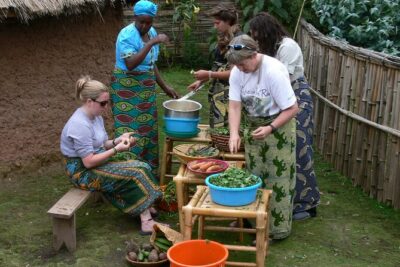 ★ 5.01 day Cultural Adventure Tour in Lake KivuFrom $48013 reviews
 ★ 5.0One Day Gorilla Trekking Rwanda & Iby’iwacu Cultural VillageFrom $30013 reviews
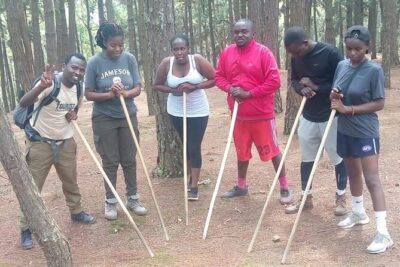 ★ 5.0Local Community Tour(Cultural, Coffee,Village walk,Local food)From $1708 reviews
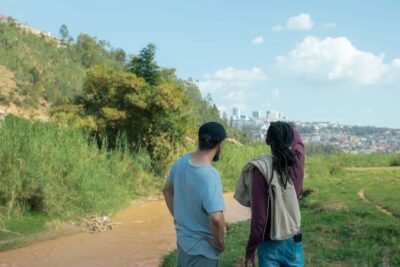 ★ 3.4Gatsata Village Storytelling Walk to Mount JaliFrom $395 reviews
 ★ 4.5Akilah ExperienceFrom $465 reviews
 ★ 5.0Learn Rwandan Table Game (IGISORO) with a LocalFrom $254 reviews
 ★ 4.5Banana Juice Making at a Local CommunityFrom $903 reviews
Other lists it sits in