

REVIEW · KIGALI FOOD & DRINK EXPERIENCES
Banana Juice Making at a Local Community
Banana juice begins underground. This hands-on village course in Kigali area teaches you the full path from green banana ripening to making the drink Rwandans serve at weddings and parties. I especially love the way the day mixes real work, like cutting and burying bananas, with time to talk with the host family over a traditional meal.
One thing to plan for: this is a full 5 to 8 hours of mostly outdoors, including digging and food prep, so it helps if you’re comfortable with moderate physical effort. Also note that the tour starts at the Gitarama meeting point on NR1, so you’ll want a simple plan to get there from Kigali.
In This Review
- Key Points If You Want the Real Thing
- A Village Day Built Around Green Bananas
- Azizi Life Briefing, Then Out to the Rural Community
- Cutting and Burying: The Ripening Step That Makes This Tour Worth It
- Lunch, Water Fetching, and Learning Daily Life
- Digging Up Ripe Bananas and Starting the Juice-Making Process
- Souvenir Shopping at a Local Artisan Market Stop
- Price and Logistics: Is It Worth $90?
- Timing, Group Size, and What to Expect During the Day
- Who This Banana Juice Course Suits Best
- Should You Book This Banana Juice Making Experience?
- FAQ
- How long is the banana juice making experience?
- How much does the tour cost?
- What is included in the price?
- Is transport from Kigali included?
- Where do I meet the tour?
- Do I need to know how to make banana juice beforehand?
- How far in advance should I book?
- Is there a minimum number of people required?
- Is the experience physically demanding?
- What is the cancellation policy?
Key Points If You Want the Real Thing

- Ripening in a hole in the ground gives you that true village pacing, not a rushed cooking demo
- You do the process, not just watch from picking and cutting green bananas to starting juice making after they ripen
- Lunch with cassava and beans and conversation helps the day feel like a shared community moment
- You may join extra village tasks like fetching water or assisting with food prep, depending on the day’s flow
- Artisan market time gives you a chance to shop for souvenirs with context behind them
A Village Day Built Around Green Bananas
If you’ve only had banana juice in a bottle, this tour changes the story fast. In Rwanda, banana juice is a popular elixir at weddings and parties, and here you experience how the fruit becomes ready for drinking. The fun is in the time gap too, because you start with green bananas and let them ripen in-ground.
What I like most is that you are part of the rhythm of the day, not stuck in a classroom. You’ll help with the early steps, then return later when the bananas are ripe enough for the juice process. It’s practical, sensory, and very grounded.
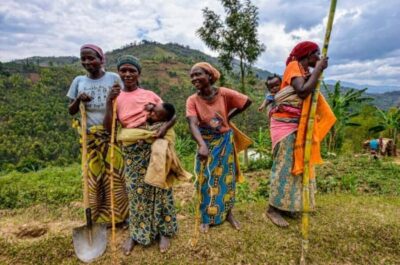
Expect a social, family-style setting. You’ll be welcomed by local artisans and hosted by a family for the day, and the conversation is a big part of the value. Even if your Kinyarwanda is limited, you’ll still get plenty of human connection.
Where else to eat your way through Kigali
- Kigali: Guided Art, History, and Food Tour with Moto Ride★ 4.9 · 34 reviews
- Kigali: Learn How to Make Hot Sauce from Scratch★ 5.0 · 12 reviews
- Local Community Tour(Cultural, Coffee,Village walk,Local food)★ 5.0 · 8 reviews
- Kigali City Tour with Local Expert & Local Food★ 5.0 · 8 reviews
Azizi Life Briefing, Then Out to the Rural Community
The day starts at Azizi Life in the Gitarama area. You get a briefing, then head to the rural community where the hosts meet you. This structure matters because it sets expectations early, so you know what comes next before you’re in the middle of banana work.
Once you arrive, you meet the artisans and the family who will guide you through the activities. That welcome feeling is a theme people remember, and it makes a difference for first-time village visits. You’re not dropped off and left to figure things out.
A practical note: this is a private tour for your group. That usually means you can ask questions freely and move at your pace, as long as the community’s schedule allows it. If you want a more personal experience than a big bus day, this format helps.
Cutting and Burying: The Ripening Step That Makes This Tour Worth It
Here’s the core of the experience: you start with green bananas, then prepare them for ripening by cutting and placing them into a hole in the ground. The idea is simple, but it feels surprisingly real when you’re doing it with your hands and watching how everyone treats the process like everyday life.
This is not a quick sprinkle-of-ingredients cooking stop. You’ll collect and cut the bananas, then help with the burying step so they can ripen. After that, you move into other village tasks while you wait, which is part of what keeps the day from feeling repetitive.
Why I think this is a smart way to learn: it forces you to pay attention to the timeline. A lot of “food tours” show you the final product. Here, you see the transformation step by step, including the pause that makes ripening possible.
You should also expect that the work is physical in a gentle way. You’ll be outdoors and handling produce. If you’re not comfortable getting a little dirty, plan for that mindset now.
Lunch, Water Fetching, and Learning Daily Life
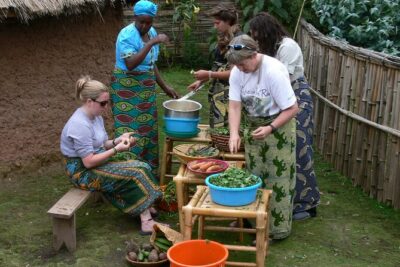
At some point, you’ll shift from banana prep to community time. You might help fetch water or assist with food preparation, depending on what’s happening that day. That hands-on participation is where the tour feels most authentic, because you’re contributing to real tasks rather than standing nearby for entertainment.
Lunch is a highlight for many people, and it has a solid local anchor. You’ll eat a traditional Rwandan meal, such as cassava and beans. It’s not just food, it’s an invitation to slow down, share stories, and ask how life works in that community.
I like that the format encourages questions from both sides. When you ask about daily life, the conversation tends to flow naturally. It also helps you understand the banana juice not as a novelty drink, but as something tied to celebration and hospitality.
One consideration: lunch can make the day feel even longer if you’re the type who likes every hour tightly planned. For me, that’s part of the charm. For you, just know you’re settling in, not sprinting through.
Digging Up Ripe Bananas and Starting the Juice-Making Process
After the lunch break, you dig up the now-ripe bananas and move into the juice-making stage. This is where the earlier work pays off, because you get to see the fruit transformed after it’s ripened underground.
The juice-making process itself is the payoff moment. You’ll participate as you start turning the ripe bananas into the drink. If you’re a hands-on learner, this section is especially satisfying because you’re no longer waiting, you’re actively making something.
One detail that makes this feel special is the way the day connects different village experiences. In some cases, people report being included in extra activities like feeding cows or helping with grass used for feeding. Those tasks aren’t spelled out as part of every step, so treat them as possible add-ons depending on the community’s schedule.
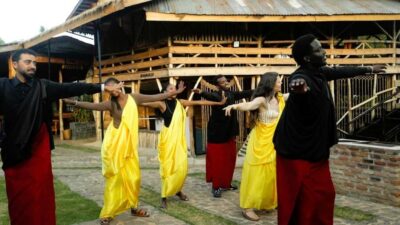
Also, keep an eye out for the social side of this portion. People often end the day laughing and dancing, which tells you the energy isn’t just instructional. It’s a shared celebration, even if you’re learning in the middle of it.
Souvenir Shopping at a Local Artisan Market Stop
Toward the end, you get time to shop at a local artisan market. This isn’t just a generic shopping detour. It’s your chance to pick up souvenirs from makers you met through the day’s community connections.
What I like about having this stop after the main activity is that you’re more likely to choose with intention. You’ve already seen how the community operates, and you’re buying with that context in mind.
Keep your expectations flexible. Markets can be busy and the selection varies by day. If you’re trying to buy gifts, start thinking about your list early so you can focus when you have that shopping window.
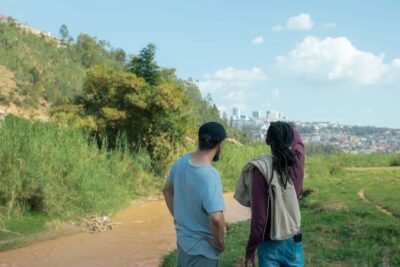
Village visits and homestays, side by side

Price and Logistics: Is It Worth $90?
At $90.00 per person, this course is priced like a true community experience, not a quick city activity. What makes it better value than it looks at first glance is what’s included: a local guide, lunch, bottled water, and round-trip transport from Muhanga (Gitarama) Town to the village and back.
You’re also getting gratuities and local taxes included. That matters because it reduces the surprise costs that often hit at the end of the day. And with group discounts and a mobile ticket option, it’s designed for easier scheduling once you commit.
Now, the one cost you may still handle is transport to and from Muhanga (Gitarama) Town itself. The meeting point is on NR1 in Gitarama, and the included transport is only between Muhanga (Gitarama) Town and the village site. So if you’re staying elsewhere in Kigali, budget for an extra transfer.
Duration is another part of value. Yes, it’s 5 to 8 hours, which is a longer block of time. But you are doing real tasks, you eat lunch with your hosts, and you learn a full food-making pathway with a built-in waiting period. For the time, it tends to feel fair.
Timing, Group Size, and What to Expect During the Day
This is best when you can give it your attention. I’d plan it on a day when you don’t also have tight appointments. Because you start with green bananas and wait for ripening, the day naturally includes a pause and a shift between activities.
Booking timing matters too. You need to book at least 96 hours before the experience so the community has time to prepare the bananas. If you book sooner, the supplier may ask you to reschedule, because the bananas and timing have to be right.
On average, people book about 12 days in advance, which suggests demand builds. If you’re traveling around busy periods, earlier booking is your friend.
Minimum group size is also important. A minimum of 2 people is required per booking, and child rates apply only when sharing with 2 paying adults. If you’re a solo traveler, you’ll likely need to join a group or coordinate with another person to meet that requirement.
Physical fitness is listed as moderate. That fits the digging and outdoor tasks, so choose this only if you’re comfortable with that kind of movement. Service animals are allowed, and the tour is near public transportation, which helps if you’re coordinating your own transfers.
Who This Banana Juice Course Suits Best
This is for you if you want food culture that’s active, not staged. If you like learning through your hands, you’ll get a lot from the step-by-step banana preparation and the moment you dig up the ripe fruit. It’s also a good fit if you enjoy conversation and want to understand everyday life, not just collect photos.
It can also be a strong choice for couples or small groups, because the tour is private for your group. That often makes the experience feel calmer and easier to ask questions. If you’re traveling with someone who’s curious but not necessarily a serious foodie, the banana ripening story usually keeps things interesting.
If you’re short on time, have mobility limits, or prefer fully indoors activities, then this is harder to match. There is outdoor work and moderate effort, even though it’s a welcoming, community-style pace.
Should You Book This Banana Juice Making Experience?
I’d book it if you want an authentic food experience with a clear purpose. The underground ripening step is the big reason. It turns banana juice into a story you can actually understand, because you help make the conditions for the juice yourself.
It’s also a smart value when you factor in what’s included: guide, lunch, water, transport from Muhanga (Gitarama) Town, and the community access. If you’re okay with a half-day style schedule and some digging, this is the kind of activity that tends to stick in your memory for the right reasons.
If your priority is sightseeing comfort or a low-effort day, you might want to choose something less hands-on. But if you want to slow down, work lightly, eat well, and leave with a real sense of how the community lives, this banana juice course is a solid yes.
FAQ
How long is the banana juice making experience?
It runs about 5 to 8 hours.
How much does the tour cost?
It costs $90.00 per person.
What is included in the price?
The price includes a local guide, lunch, bottled water, local taxes, gratuities, and round-trip transport between Muhanga (Gitarama) Town and the village.
Is transport from Kigali included?
No. Transport to and from Muhanga (Gitarama) Town is not included, but it can be arranged for an additional payment.
Where do I meet the tour?
You start at NR1, Gitarama, Rwanda, and the activity ends back at the same meeting point.
Do I need to know how to make banana juice beforehand?
No. The course is designed to teach you how to make banana juice, including helping with banana preparation and the juice-making process.
How far in advance should I book?
You should book at least 96 hours before the experience starts, so there is enough time to prepare the bananas.
Is there a minimum number of people required?
Yes, there is a minimum of 2 people per booking. Child rates apply only when sharing with 2 paying adults.
Is the experience physically demanding?
It requires a moderate physical fitness level since you may be involved in tasks like digging and helping with preparations outdoors.
What is the cancellation policy?
Free cancellation is available up to 24 hours in advance for a full refund. If you cancel less than 24 hours before the start time, the amount paid is not refunded.
Village Days Across Rwanda
Kigali on a Full Stomach


More Tour Reviews in Kigali



More of Rwanda, reviewed
- Private Memorial Day Tour Ntarama and Nyamata
★ 5.0 · 3 reviews - Ntarama and Nyamata Genocide Memorial Day Tour
★ 4.5 · 3 reviews - From Kigali: 8 Hour Day-trip Lake Kivu Cruise Experience
★ 4.5 · 3 reviews - Bar Hopping Tour in Kigali Nightclubs
★ 4.0 · 3 reviews - Kigali City Tour and Sightseeing
★ 5.0 · 3 reviews
The rest of Kigali Food & Drink Experiences.
 ★ 5.0Rwanda Half-Day Walking Food TourFrom $8935 reviews
 ★ 4.9Guided Art, History, and Food Tour with Moto RideFrom $2534 reviews
 ★ 5.0Learn How to Make Hot Sauce from ScratchFrom $3512 reviews
 ★ 5.0Local Community Tour(Cultural, Coffee,Village walk,Local food)From $1708 reviews
 ★ 5.0Kigali City Tour with Local Expert & Local FoodFrom $1358 reviews
★ 5.0Learn How to Make Hot Sauce from ScratchFrom $355 reviews
★ 5.0Kigali City Tour with Local Expert & Local FoodFrom $1358 reviews
★ 5.0Learn How to Make Hot Sauce from ScratchFrom $355 reviews
 ★ 5.0Vegan Fine Dining ExperienceFrom $355 reviews
 ★ 5.0Rwandan and Syrian Food TourFrom $354 reviews
Other lists it sits in