
REVIEW · KIGALI FOOD & DRINK EXPERIENCES
Kigali: Guided Art, History, and Food Tour with Moto Ride
A memorial plus moto rides, in one tour. In just three hours in Kigali, Aline blends Kigali Genocide Memorial reflection, art at Niyo Art Center, and street food stops so you understand the city’s past and present, not just landmarks.
What I like most is how Aline turns big events into clear, human context, and how the tour feeds you real Kigali at Biryogo Street and Kimironko Market. I also appreciate that it can feel personal, with many bookings reporting small groups or even one-on-one time.
One drawback to plan for: moto transport is not included, so you’ll want cash ready. Also, the memorial portion is emotionally heavy, so it helps to show up hydrated and ready to slow down.
In This Review
- Key things that make this tour work
- A 3-hour Kigali mixer, built around memory, art, and food
- Meeting Aline at the Kigali Genocide Memorial, and how to not get lost
- Kigali Genocide Memorial, what you’ll do and how to prepare
- Niyo Art Center in Kigali, where art becomes a conversation
- Biryogo Car Free Food Street by moto, eating Kigali the easy way
- Kigali city center sign, a quick photo stop with real payoff
- Kimironko Local Market finale, how to shop without getting overwhelmed
- Price and value: what $25 covers, and what costs extra
- What to bring and how to handle the moto ride smoothly
- Who should book this tour, and who should skip it
- Should you book this Kigali art, history, and food tour with Aline?
- FAQ
- Where does the tour start?
- How long is the tour?
- Is hotel pickup or drop-off included?
- Are the moto rides included?
- What languages does the guide speak?
- What stops are included on the tour?
- Is an audio guide available at the Genocide Memorial?
- What should I bring and what is not allowed?
Key things that make this tour work
- Aline Murekezi as your guide: friendly, professional, and easy to ask questions in English, French, Swahili, or Kinyarwanda
- Genocide Memorial first: a focused start that sets the tone for everything else you’ll see
- Niyo Art Center stop: time to look at Rwandan and African art you can often take home as a souvenir
- Biryogo Car Free Food Street tasting: guided street food, plus chances to grab cold drinks
- Kigali sign photo stop: a quick, iconic moment you’ll actually remember later
- Kimironko Market finale: a lively end to the route, where goods and local crafts dominate the scene
A 3-hour Kigali mixer, built around memory, art, and food
This is a strong first-timer Kigali tour because it hits three things most visitors want, history, art, and daily life, without turning it into a rushed checklist. You start at the Kigali Genocide Memorial, then shift into creativity at Niyo Art Center, and finish with taste and shopping energy at street food and Kimironko Market.
The best part is the flow. The memorial gives context. The art center gives a window into culture through what people make. Then food and markets show how Kigali moves today, with color, motion, and everyday choices.
If you like guides who talk through what you’re seeing, Aline’s style comes up again and again in feedback, including her responsiveness and ability to keep the experience comfortable for solo travelers.
Where else to eat your way through Kigali
- Kigali: Guided Art, History, and Food Tour with Moto Ride★ 4.9 · 34 reviews
- Kigali: Learn How to Make Hot Sauce from Scratch★ 5.0 · 12 reviews
- Local Community Tour(Cultural, Coffee,Village walk,Local food)★ 5.0 · 8 reviews
- Kigali City Tour with Local Expert & Local Food★ 5.0 · 8 reviews
Meeting Aline at the Kigali Genocide Memorial, and how to not get lost
You meet at the main entrance of Kigali Genocide Memorial. The key practical detail is the check-in room near the entrance. Your guide should be easy to spot in a distinct uniform with the tourwithaline logo.
I’d also follow one small instruction from the meeting notes: make sure your contact details are entered correctly so the guide can reach you at the meeting point. If you’ve arrived early or are circling the gate, it can save time and stress.
Dress for the first stop. You’ll be outdoors part of the time, and you’ll want comfortable walking shoes right from the start. Bring your camera too, since you’ll have a dedicated photo window later.
Kigali Genocide Memorial, what you’ll do and how to prepare
The memorial stop takes about 1.5 hours, and it sets the emotional tone for the entire tour. This is not a stop you speed through. The value is in learning the city’s past in a guided, respectful way, with time to take in what’s around you.
It’s a good idea to mentally switch gears before you arrive. This is where you may feel the weight of the story. If you’re the type who likes to ask questions, bring that energy, too. Aline’s communication style is repeatedly praised, including how comfortable people feel asking questions on the spot.
Practical prep that really helps:
- Bring water so you can stay steady during the heavier portion
- Wear sunscreen if you’re sensitive to sun, since you may be outside at points
- Keep your pace respectful, and avoid rushing the experience
Optional audio is mentioned for the memorial. If you prefer to listen at your own tempo, you can add an audio guide, but it’s not included in the tour price.
Niyo Art Center in Kigali, where art becomes a conversation
After the memorial, you head to Niyo Art Center for about 20 minutes. The focus here is on art and artists, including Rwandan and African work, with pieces that communicate stories through color, design, and symbolism.
Short timing can feel limiting on paper, but 20 minutes works if the guide is helping you pick what matters. Aline’s approach, according to visitor feedback, tends to be question-friendly, so you’re not just staring at walls. You’re learning how to look.
One extra plus from past guests is that the center has an attached cafe, so you can grab a drink before you move on, if you want a quick break. That matters on a small-group tour, because it can turn the day from strict sightseeing into a more relaxed culture stop.
Also think of this stop as your souvenir window. If you like art that’s tied to place, this is the moment to browse with intention.
Biryogo Car Free Food Street by moto, eating Kigali the easy way
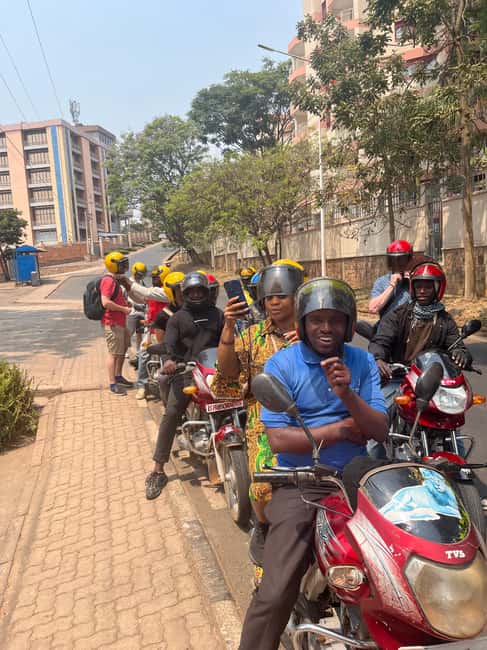
Next comes one of the tour’s most fun segments: hopping on moto transport to get to Biryogo Car Free Food Street. This portion runs about 1 hour, and it’s built around street food tasting.
Two practical notes matter here. First, moto transport is not included, so you’ll need cash for the drivers. Second, the tour supplies the tasting angle, so you’re not stuck guessing what’s safe, good, or worth your money.
Why I think this stop is valuable: street food can be intimidating when you don’t know the rhythms of a neighborhood. With a local guide, you get a smoother entry. You can ask what to try and how to order, and you can spend time tasting instead of wandering.
You can also expect refreshing drinks alongside the street food tasting based on the tour description. Bring a small appetite. This is not a light snack stop.
If you don’t want to use the moto for any reason, one review noted a case where motorbikes weren’t used due to a sports injury. That kind of flexibility isn’t guaranteed, but it suggests the guide may try to accommodate when possible. Still, plan your day around the standard route unless you confirm with the operator.
Kigali city center sign, a quick photo stop with real payoff
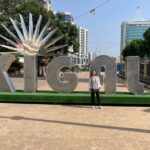
You’ll then walk to the iconic Kigali sign for about 30 minutes of photography time. This is one of those stops that seems simple until you’ve done it. Kigali photo spots help you anchor the day in images you can actually remember, especially when your route includes heavy history moments.
Use this time smart:
- Take a wide shot to show context, not just faces
- Take a close-up to capture the moment
- If light is strong, bring your camera settings down to avoid washed-out details
This stop also works as a mental reset. After the memorial and art, it’s a little break where you can be present and playful without needing deep concentration.
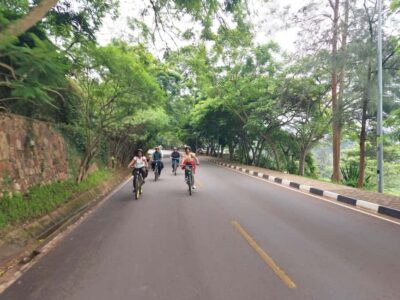
On two wheels around Kigali

Kimironko Local Market finale, how to shop without getting overwhelmed
The tour ends at Kimironko Local Market after a moto ride, with about 30 minutes on-site. This is where Kigali’s energy shows up fast: goods, crafts, colors, and the pace of daily buying and selling.
For most visitors, markets are the hardest part to navigate, because you don’t know what’s a good value or how to ask questions politely. The tour structure helps. You arrive with guidance, and you can browse without feeling like you’re doing it alone.
A nice extra from feedback: some people reported that Aline helped with bargaining and choosing items that match what they want to bring home. If you care about getting fair prices without awkwardness, this is the section where a guide can pay off.
What to focus on at a market like this:
- Small, meaningful souvenirs tied to local craft
- Things that feel easy to pack
- Asking questions about materials or use, even if you only understand part of the answer
Don’t try to buy everything. You only have half an hour, and the goal is to leave with a few items you genuinely like, not a bag of random stuff.
Price and value: what $25 covers, and what costs extra
At $25 per person for about 3 hours, the value comes from the mix: guided history, an art stop, street food tasting, and market time. You’re not paying only for transport or only for entry fees. You’re paying for someone to connect the dots between Kigali’s story, its creative scene, and its everyday life.
Included highlights:
- Guided Kigali tour with a live guide
- Visit to Kigali Genocide Memorial
- Art viewing at Niyo Art Center
- Street food tasting at Biryogo Car Free Food Street
- Photo opportunity at the Kigali city center sign
- Exploration of Kimironko Local Market
What’s not included:
- Hotel pickup and drop-off
- Optional audio guide at the Genocide Memorial
- Meals and drinks unless specified (the street food tasting is included)
- Moto transport (bring cash for moto drivers)
Aline’s time in multiple languages also adds value. You can get meaning, not just translation, which matters at the memorial.
If you’re making a decision while your schedule is still loose, the booking info also mentions reserve now, pay later and free cancellation up to 24 hours in advance. That’s useful for people arriving on variable flight times.
What to bring and how to handle the moto ride smoothly
The tour has a simple packing list, and it’s one you’ll be glad you followed:
- Comfortable shoes
- Camera
- Sunscreen
- Water (bring a bottle)
- Cash for moto drivers
Also, remember the rule: no smoking during the tour.
Here’s how to make the moto part feel easier. Keep your cash accessible, not buried in a bag. Wear shoes you can walk in after you arrive. And if you want photos during the ride, be ready for quick moments where you’ll need both hands free.
Because moto transport is part of how you move between stops, it can save time and energy compared with trying to walk everything. But it’s also why the tour feels active. You’re seeing the city in motion, not standing still for long stretches.
If you’re traveling solo, this structure can be especially helpful. Several past guests described Aline as making them feel at ease, even on their first day in Kigali.
Who should book this tour, and who should skip it
This tour is a great match if you:
- Want a first day in Kigali overview with real context
- Care about art with meaning, not just photos
- Like street food and markets, and want help navigating them
- Prefer a guide who answers questions and keeps you comfortable
It’s also a good option for solo travelers. Feedback repeatedly mentions that Aline made people feel like they had a friend showing them around, not just a rigid tour guide.
Who should consider skipping or choosing something else:
- Children under 5 years
- Pregnant women
- Wheelchair users
If your goal is only light sightseeing and you don’t handle emotional content well, the memorial stop may not be the right fit. But if you are ready to reflect and learn, the tour’s structure makes the experience more manageable because it isn’t random. It’s guided, paced, and timed.
Should you book this Kigali art, history, and food tour with Aline?
I’d book it if you want a practical, well-rounded Kigali introduction in 3 hours that actually connects the dots. The memorial stop gives the reason the city matters. Niyo Art Center gives you a look at how Rwanda expresses identity through art. Biryogo and Kimironko give you the texture of daily life, including street food tasting and market browsing.
I would not book it if you can’t do a heavy historical site, or if you hate the idea of moto transport and don’t want to pay for it with cash. Also, if you need hotel pickup, this won’t meet that need since pickup and drop-off are not included.
If you’re flexible and you like a guide who communicates in multiple languages and pays attention to how you’re feeling, this tour is one of the easier ways to get your bearings fast and leave with more than photos.
FAQ
Where does the tour start?
The tour starts at the main entrance of Kigali Genocide Memorial, near the clearly designated check-in room.
How long is the tour?
The tour lasts 3 hours.
Is hotel pickup or drop-off included?
No, hotel pickup and drop-off are not included.
Are the moto rides included?
No. Moto transport is not included, so you should bring cash for moto drivers.
What languages does the guide speak?
The live guide speaks English, French, Swahili, and Kinyarwanda.
What stops are included on the tour?
You visit Kigali Genocide Memorial, Niyo Art Center, go to Biryogo Car Free Food Street for street food tasting, take photos at the Kigali city center sign, and finish with exploration of Kimironko Local Market.
Is an audio guide available at the Genocide Memorial?
Yes, an audio guide at the Genocide Memorial is optional, but it is not included.
What should I bring and what is not allowed?
Bring comfortable shoes, a camera, sunscreen, water, and cash. Smoking is not allowed.
Kigali by Bike and Moto

Kigali on a Full Stomach

More Tour Reviews in Kigali

More of Rwanda, reviewed
- Private Memorial Day Tour Ntarama and Nyamata
★ 5.0 · 3 reviews - Ntarama and Nyamata Genocide Memorial Day Tour
★ 4.5 · 3 reviews - From Kigali: 8 Hour Day-trip Lake Kivu Cruise Experience
★ 4.5 · 3 reviews - Bar Hopping Tour in Kigali Nightclubs
★ 4.0 · 3 reviews - Kigali City Tour and Sightseeing
★ 5.0 · 3 reviews
The rest of Kigali Food & Drink Experiences.
 ★ 5.0Rwanda Half-Day Walking Food TourFrom $8935 reviews
 ★ 5.0Learn How to Make Hot Sauce from ScratchFrom $3512 reviews
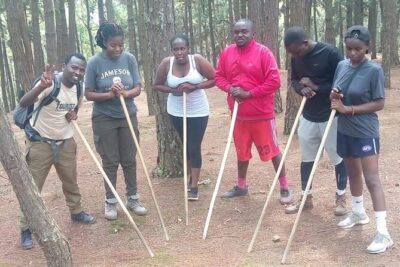 ★ 5.0Local Community Tour(Cultural, Coffee,Village walk,Local food)From $1708 reviews
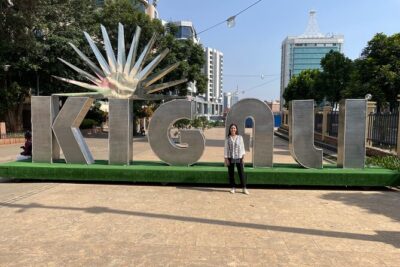 ★ 5.0Kigali City Tour with Local Expert & Local FoodFrom $1358 reviews
★ 5.0Learn How to Make Hot Sauce from ScratchFrom $355 reviews
★ 5.0Kigali City Tour with Local Expert & Local FoodFrom $1358 reviews
★ 5.0Learn How to Make Hot Sauce from ScratchFrom $355 reviews
 ★ 5.0Vegan Fine Dining ExperienceFrom $355 reviews
 ★ 5.0Rwandan and Syrian Food TourFrom $354 reviews
 ★ 5.0Walking Food Tour in Remera and KigaliFrom $994 reviews
Other lists it sits in