
REVIEW · RWANDAN CRAFT & ARTISAN WORKSHOPS
A Day in the Life of a Local Artisan
A morning of farming, weaving, and real conversation. This is a flexible-length, small-group day with an artisan family near Kigali, where you trade city pace for hands-on village routines like field work, water fetching, and food prep, then cap it off with a sisal weaving lesson. You also get time to chat with your hosts over lunch, so you leave with more than crafts, you leave with context.
I love the small group size of up to six, which keeps the day from feeling rushed or staged. I also love the two-hour one-on-one weaving instruction, so you’re not just watching, you’re making something with guidance right there.
One thing to consider: the village is on uneven surfaces, and the day is about eight hours, so you’ll want moderate physical comfort even though it’s friendly for families.
In This Review
- Quick hits before you go
- Entering village life near Kigali, not a performance
- Getting to the village, and what to watch for
- The morning flow: briefing, arrival, and first chores
- Lunch in the family routine, not a tourist menu
- The sisal weaving lesson: hands-on craft, real instruction
- Time to buy, support, and take something home
- What this tour does well, and where it asks more of you
- Price and value: $90 for a full artisan day
- Who this is perfect for (and who should think twice)
- Small details that make a big difference
- Should you book this artisan day with Azizi Life?
- FAQ
- How long does the experience last?
- What is included in the $90 per person price?
- Is transport from Kigali included?
- How many people are in the group?
- What will I do in the village?
- What does the weaving lesson involve?
- Is it suitable for families and children?
- Can I cancel and get a full refund?
Quick hits before you go

• Limited to six guests, so conversation with your host family is actually possible.
• Village chores beyond farming, including fetching water and helping with basic food preparation.
• Vegetarian Rwandan lunch cooked the way the family eats, with time to ask questions.
• Two-hour sisal weaving lesson, taught step-by-step in a simple, doable format.
• Local crafts for purchase made by the family, with gift-shop items handled separately.
• Transport included from Muhanga Town, but you’ll need to handle getting to the start point in the Gitarama area.
Entering village life near Kigali, not a performance
This day is built around one idea: you’re invited into a real routine, not herded past it. The experience starts with a briefing, then you head out from the Kigali area toward the rural community where the artisans live and work. From there, the pace shifts. You slow down enough to notice the small stuff, like how chores are scheduled around daylight, how water needs shape the day, and how food preparation is communal.
The tone is practical and warm. You aren’t expected to be a farm expert. Your role is to try, help where you can, and ask good questions when you get the chance. It’s family-friendly by design, and the small-group limit helps keep things respectful.
More imigongo, weaving and pottery sessions
- Kigali: Traditional Basket Weaving in a Garden★ 4.8 · 41 reviews
- Kigali: Choose Your Traditional Craft Experiences★ 5.0 · 18 reviews
- Kigali: Traditional Kubumba Pottery Making with Local Women★ 4.6 · 12 reviews
- Kigali:Traditional Imigongo Painting with an Incredible View★ 4.8 · 10 reviews
Getting to the village, and what to watch for
Your tour begins near NR1, Gitarama, Rwanda, and it returns you to that same meeting point. The experience also includes return transport from Muhanga Town to the village, which matters because it can reduce the amount of back-and-forth once you’re already in the region.
A key detail for planning: transport from Kigali isn’t included, though it can be arranged on request for an additional charge. If you’re staying in Kigali proper, ask ahead how they want you to connect with the route. The smoother your morning transfer is, the more relaxed your village time feels.
Timing also helps. The activity runs in a morning window, with opening hours listed as 8:00 AM to 11:00 AM. In one past experience, a traveler was picked up around 7:45 AM, so expect an early start and plan your day around a full half to full day of activity.
The morning flow: briefing, arrival, and first chores
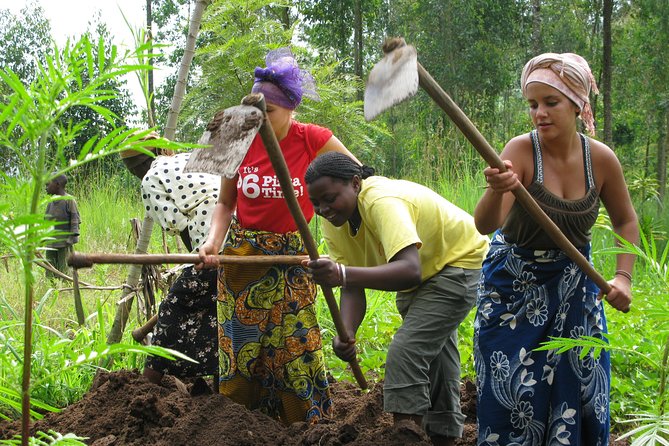
Once you arrive, you’re welcomed by the artisan family. Then you get into the day’s work right away. The core of the morning is subsistence-style farming practice. That might mean hoeing fields or planting crops, depending on what’s going on. The value here is that you’re not just learning facts. You’re learning the muscle memory of everyday work.
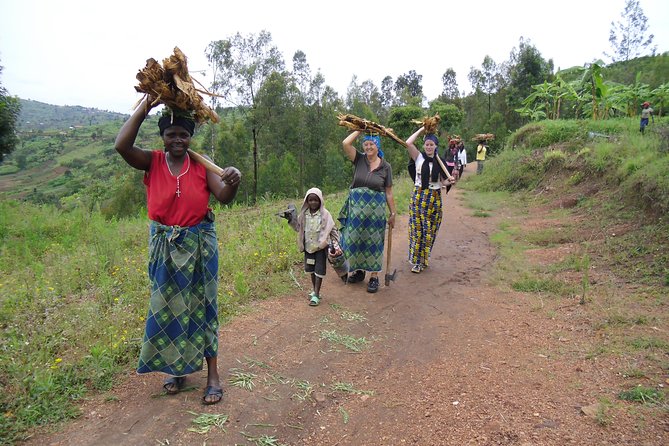
You’ll also help with chores around the home. The day includes the chance to fetch water with locals and participate in food preparation. In many cultures, these tasks can feel distant when you see them only in books or documentaries. Here, you do them, even briefly, and that changes how you understand the day-to-day rhythm.
The practical downside of doing real chores? It can be physical. The tour notes uneven surfaces and asks for moderate physical fitness. So wear sturdy shoes you don’t mind getting dusty, and don’t plan on perfect clothes afterward.
Lunch in the family routine, not a tourist menu

Lunch is one of the best “value moments” of the day because it’s included and it’s not generic. You’ll eat local Rwandan food that the family would normally eat, and it’s cooked vegetarian. The meal may include items like cassava and beans, which is both filling and a useful flavor anchor for first-time visitors.
What I like about this setup is the built-in social time. After you sit down, you’re given a window to chat with your hosts. Ask what life in the community is like. Ask what’s hardest about daily work, and what feels ordinary and good. These conversations often answer more questions than any guidebook ever will.
If you prefer structured cultural learning, this part also works. You’ll get practical insights because your hosts can talk about why people do things in a certain way, what’s seasonal, and what matters most day to day.
The sisal weaving lesson: hands-on craft, real instruction
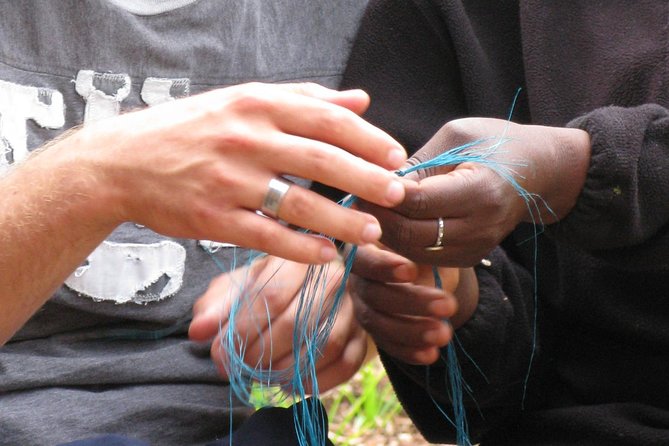
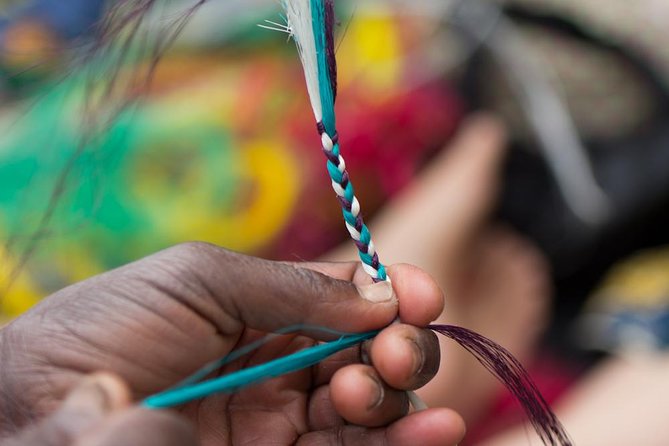
After lunch, you get a two-hour one-to-one instruction in weaving using sisal. This is a big deal for your experience. Group craft lessons can be fun, but you often spend half the time waiting your turn. A one-to-one format means you can actually follow along and correct mistakes in real time.
The lesson focuses on weaving a simple item, not a complicated masterpiece. That’s important. A simple project is more likely to feel satisfying at the end of the session, and it’s a better introduction to how sisal becomes something useful and saleable.
You’ll also get a natural question-and-answer moment here. Even if you’re not fluent in local language, you can ask how the material is sourced, what makes the thread behave a certain way, and what designs sell best. Some people get carried away here, in a good way, and want to keep learning after the two hours end.
Time to buy, support, and take something home
At the end of the day, you have the chance to purchase local handicrafts made by the family. That’s the ethical part of the souvenir story. It’s not just shopping, it’s a direct link between the people you met and the items you take home.
A small planning note: the tour includes time to purchase from the family, but items in the gift shop aren’t included. So if you’re traveling with a gift budget, decide what you want to buy as you go, rather than waiting for the last minute.
Also, remember that weaving is time-intensive. If you see something you love, it’s worth buying it on your own terms, not just because you feel pressured by the day. This experience is built on relationship, but your comfort matters too.





What this tour does well, and where it asks more of you
This day is strong on the things that most first-time visitors crave:
- Authentic village routines you can actually help with, not just watch.
- Meaningful conversation time during lunch and downtime.
- A structured craft payoff that ends with an item and skills you can remember.
It also earns a high reputation. The overall recommendation rate is 100%, with a 5 out of 5 rating across the experiences listed. Many notes focus on the friendliness and patience of the people hosting the day, and on how full the day feels.
The main drawback is practical, not dramatic. You’re outdoors, on rural paths, and doing hands-on work for hours. The tour calls for moderate physical fitness, and it explicitly notes uneven surfaces. So if you have mobility limits or you know you’ll hate getting dirty, this may feel like more work than you’re expecting.
Price and value: $90 for a full artisan day
At $90 per person, you’re paying for a serious chunk of local time plus logistics. Your included package covers:
- Lunch
- Local guide and tour host
- Bottled water
- Gratuities
- Return transport from Muhanga Town to the village
- Admission ticket
That total matters because the day isn’t just a transfer plus a demo. You’re doing village chores, sitting for a family-style meal, and getting a long, two-hour one-on-one weaving lesson. In places where “cultural” activities are light on instruction, $90 can feel steep. Here, the labor input is clearer because you’re actively participating and the craft teaching is substantial.
You’ll still have extra costs depending on your situation. Transport from Kigali isn’t included, and purchases of crafts and any shop items are not part of the ticket price.
Bottom line: if you want a day that feels like work and conversation, not a parade of photos, the price looks fair.
Who this is perfect for (and who should think twice)
This works especially well if you’re:
- Visiting Rwanda for the first time and want a gentle entry point into rural life.
- The type of traveler who enjoys hands-on activities more than museum-style experiences.
- Comfortable with conversation that’s real and sometimes personal. Some guides share their life story as you drive out, including references to the 1994 genocide, and how life changed after it. That can add emotional weight, but it also adds understanding.
Think twice if you:
- Need wheelchair-level smooth terrain. The tour notes uneven surfaces.
- Want a short, low-effort activity. This is about an eight-hour day.
- Are only interested in crafts with zero farm or kitchen involvement. The weaving is great, but the day is designed around daily chores first.
Small details that make a big difference
A few things help you have a smoother day:
- Bring water-ready confidence, bottled water is included, but you still want to pace yourself.
- Wear shoes you can move in. Rural paths tend to punish slick soles.
- Ask questions during lunch. The best learning comes from talking with your hosts, not from guessing.
- Keep an eye on your gift budget. The craft purchase part can be surprisingly hard to resist.
Also, you may meet specific staff members who make the day feel personal. One prior visitor mentioned a pickup driver named Richard, and another referenced hosts Theogene and Rose who guided activities with patience and humor. Those names aren’t guaranteed for your day, but they hint at the kind of human warmth people tend to report.
Should you book this artisan day with Azizi Life?
Yes, book it if you want a Rwanda experience that’s practical, human, and active. The combination of village chores, a family-style vegetarian lunch, and a two-hour one-on-one sisal weaving lesson is a strong mix for your time. The small group size also helps, because you’ll talk to real people instead of standing politely in a queue.
Skip it if you want a purely observational tour, or if uneven outdoor surfaces and a full day of physical activity won’t feel comfortable. In that case, you’ll likely enjoy a lighter, more indoor-based cultural option.
If you do book, show up with curiosity, wear good shoes, and go in ready to help. That’s when the day clicks.
FAQ
How long does the experience last?
It runs for about 8 hours (approx.), starting in the morning window.
What is included in the $90 per person price?
The price includes lunch, bottled water, local guide and tour host, gratuities, and return transport from Muhanga Town to the village. You also receive the admission ticket.
Is transport from Kigali included?
No. Transportation from Kigali isn’t included, but you can arrange it on request for an additional charge.
How many people are in the group?
It is a small-group experience limited to six guests.
What will I do in the village?
You’ll be able to participate in subsistence farming activities such as planting or hoeing crops, and you can also help with fetching water and food preparation with your host family.
What does the weaving lesson involve?
You’ll get two hours of one-to-one instruction in weaving a simple item using sisal.
Is it suitable for families and children?
It is described as family friendly. Children must be accompanied by an adult, and the experience is best suited for people with moderate physical fitness level due to uneven surfaces.
Can I cancel and get a full refund?
Yes. Free cancellation is available, and you must cancel at least 24 hours before the start time for a full refund.
Rwandan Workshops and Studios

More Tour Reviews in Kigali




More of Rwanda, reviewed
- Private Memorial Day Tour Ntarama and Nyamata
★ 5.0 · 3 reviews - Ntarama and Nyamata Genocide Memorial Day Tour
★ 4.5 · 3 reviews - From Kigali: 8 Hour Day-trip Lake Kivu Cruise Experience
★ 4.5 · 3 reviews - Bar Hopping Tour in Kigali Nightclubs
★ 4.0 · 3 reviews - Kigali City Tour and Sightseeing
★ 5.0 · 3 reviews
The rest of Rwandan Craft & Artisan Workshops.
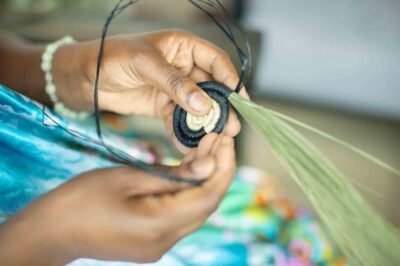 ★ 4.8Traditional Basket Weaving in a GardenFrom $3041 reviews
 ★ 5.0Choose Your Traditional Craft ExperiencesFrom $3018 reviews
 ★ 4.6Traditional Kubumba Pottery Making with Local WomenFrom $3012 reviews
 ★ 4.8Traditional Imigongo Painting with an Incredible ViewFrom $3010 reviews
 ★ 5.0Painting with Delicious CoffeeFrom $309 reviews
 ★ 5.0Imigongo Painting ClassFrom $155 reviews
 ★ 5.0Traditional Carpet Weaving (Ikirago) + amazing viewsFrom $303 reviews
 ★ 5.0Kigali’s Art Tour with AlineFrom $253 reviews
Other lists it sits in