
REVIEW · RWANDAN CRAFT & ARTISAN WORKSHOPS
Kigali: Traditional Kubumba Pottery Making with Local Women
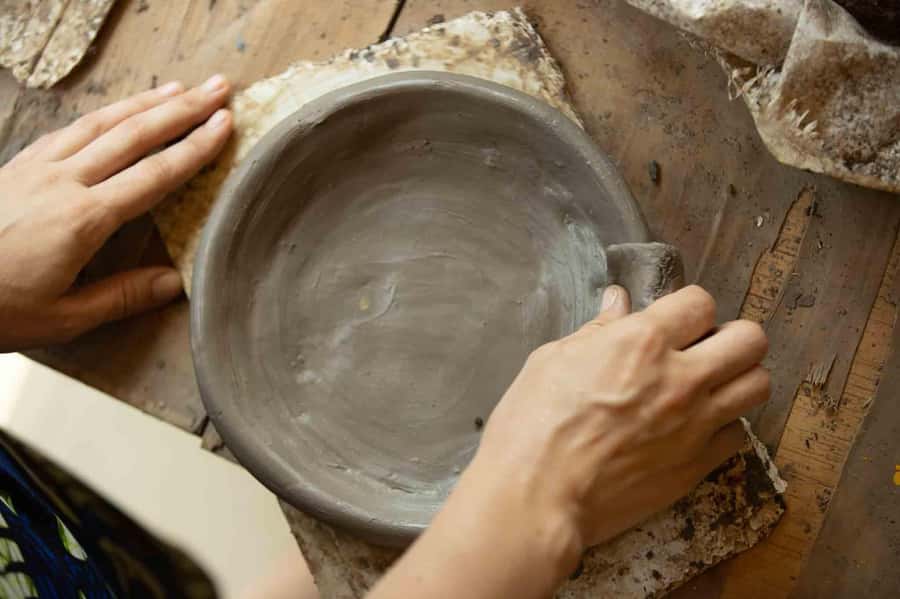
Pottery feels different when you’re taught by local women. In Kigali, Kubumba Delight is a hands-on Kubumba pottery session where instructors like Mariam and Gloria guide you through the full make process, from first pinch of clay to your own take-home souvenir. I like that it’s not just craft time, it’s craft time with context, plus real attention from the people who keep the tradition alive.
What also makes it a smart pick is the setting. The workshop happens at a coffee shop style location, and one review noted a complimentary drink included with the pottery price (up to 3500 RWF), with pastries and smoothies available too. The main catch to plan around is drying time: you may need extra time after your session for the pot to harden, especially in rainy season, and that can affect when you can leave with your finished piece.
In This Review
- Key highlights to look for
- Kigali Coffee Shop Meets Traditional Kubumba Pottery
- How the 1-hour session actually unfolds
- Kubumba techniques you’ll feel in your hands
- Meet Mariam and Gloria, and the value of real patience
- Price and value: what $30 is buying you
- Timing tips: drying time can be the real decision point
- Who should book this workshop in Kigali
- Community support: your souvenir has a social footprint
- The practical bottom line: book it or skip it?
- FAQ
- How long is the Kubumba pottery experience?
- How much does it cost?
- What is included in the price?
- Are meals and refreshments included?
- Where does the activity take place?
- What languages are used during the session?
- Do I need to bring my own tools or materials?
- Will I get my pottery immediately after the hour?
- Do I need transportation to reach the studio?
- Can I cancel and get a refund?
Key highlights to look for
- Local instruction from Mariam and Gloria, with patient, hands-on coaching
- Kubumba history and meaning, not just technique
- A personalized take-home pottery piece you shape yourself
- Coffee shop setting, often with a complimentary drink included
- Community support tied to Go Rwanda Now, through NuttinTODO
Kigali Coffee Shop Meets Traditional Kubumba Pottery
Kigali has a way of turning everyday stops into real culture. This pottery workshop runs in Kigali Province and is designed to be approachable, even if you’ve never touched clay before. The vibe is practical: you show up, you get materials, you learn the tradition basics, then you work with your hands.
The location matters more than you might think. One person in the reviews said the class takes place at a beautiful coffee shop, which makes the hour feel less like a formal “tour stop” and more like a relaxed cultural morning. If you like travel experiences that don’t trap you in a schedule, this format helps.
And there’s a bonus that helps your budget. While meals and refreshments aren’t listed as included, at least one booking noted a complimentary drink included with the pottery purchase price (up to 3500 RWF). That can be a nice balance if you’re pairing the workshop with other Kigali plans.
More imigongo, weaving and pottery sessions
- Kigali: Traditional Basket Weaving in a Garden★ 4.8 · 41 reviews
- Kigali: Choose Your Traditional Craft Experiences★ 5.0 · 18 reviews
- A Day in the Life of a Local Artisan★ 5.0 · 14 reviews
- Kigali: Traditional Kubumba Pottery Making with Local Women★ 4.6 · 12 reviews
How the 1-hour session actually unfolds
You’re looking at a 1-hour hands-on session, so it’s not meant to be slow and endless. The structure is clear: you start with a short introduction to Kubumba, then move into making, shaping, molding, and decorating.
First comes the why. You get cultural insights into the significance of Kubumba, which is important because it turns pottery from a souvenir into a story. Even if you only remember a few details, you’ll likely understand what you’re making is part of living heritage, not just an object for the shelf.
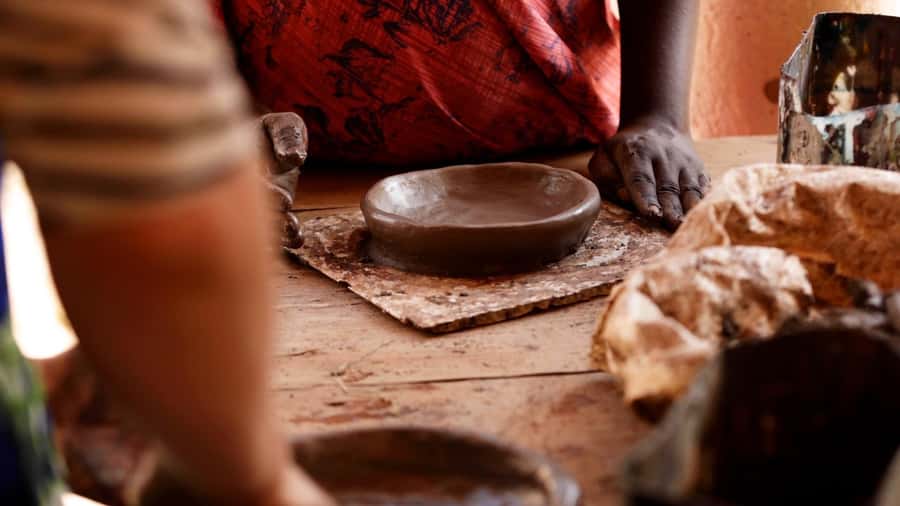
Then you roll up your sleeves. You’ll work with clay using traditional methods taught by local artisans associated with NuttinTODO. Expect the instructor to show the basic steps, then guide you as you shape and decorate your piece. The materials are provided, so you’re not hunting around for tools or supplies.
Finally, you walk away with what you made. The workshop includes a personalized pottery piece to take home. One review also points out a practical timing factor: you might need to leave the pottery for hardening after the class. If you have a strict departure day, plan around that.
Kubumba techniques you’ll feel in your hands
The best part of this class is that Kubumba isn’t presented as “magic skill.” It’s explained as technique you can practice in real time.
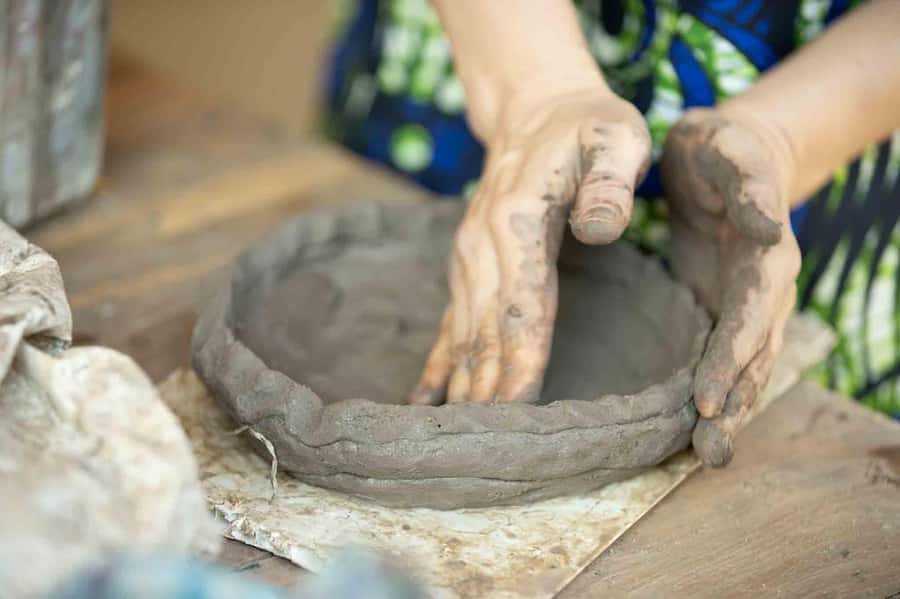
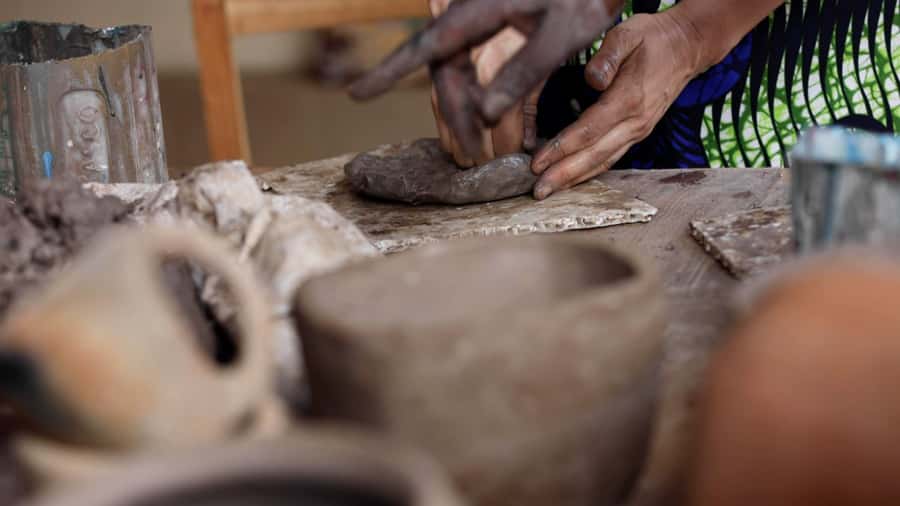
Shaping and molding are the heart of it. You’ll learn how to handle clay so it keeps its form while you build your shape. Decorating is where your personality shows. Even if your first attempt looks basic, the act of decorating matters because you’re learning how designs and finishing are done in the tradition.
A key value of this workshop is that you’re not just making something pretty. You’re learning process. When you understand the steps, you understand why the craft takes patience back home, too. That makes your souvenir feel more earned.
Just remember the reality of clay. Even when the hour goes smoothly, the final results depend on drying time. Reviews mention the pots need time to dry and harden, which can be longer during rainy season.
Meet Mariam and Gloria, and the value of real patience
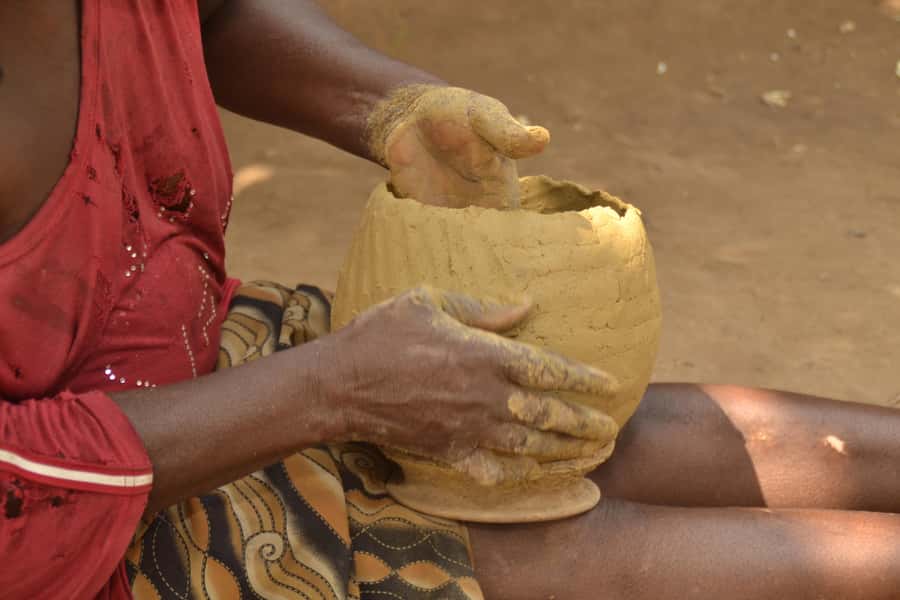
A pottery workshop lives or dies by the instructor. Here, the reviews give you a strong signal that the people leading the session are kind, patient, and capable teachers.
One verified booking praised Mariam for teaching so well and being patient. Another review highlighted Gloria as a breath of fresh air, and the overall feeling was that you enjoy the process, not just the outcome. That matters, because with hands-on crafts, you can lose confidence fast if the teaching is rushed.
If you’re traveling with kids, the teaching quality becomes even more important. One booking brought twin 8-year-old daughters and worried about age fit, but it sounded perfect. The guide used patience, gave the kids space to work on their own, and still provided enough guidance to help them create a keepsake they were proud of.
Language is covered too. The instructor is listed as teaching in English and Swahili, and that helps if you don’t want to rely on guesswork. Still, one review described a situation where communication seemed limited and a translator was distracted. That doesn’t mean every session runs that way, but it’s a reminder: if you care about explanations as much as the hands-on work, it’s smart to arrive ready to communicate clearly and ask questions early.
Price and value: what $30 is buying you
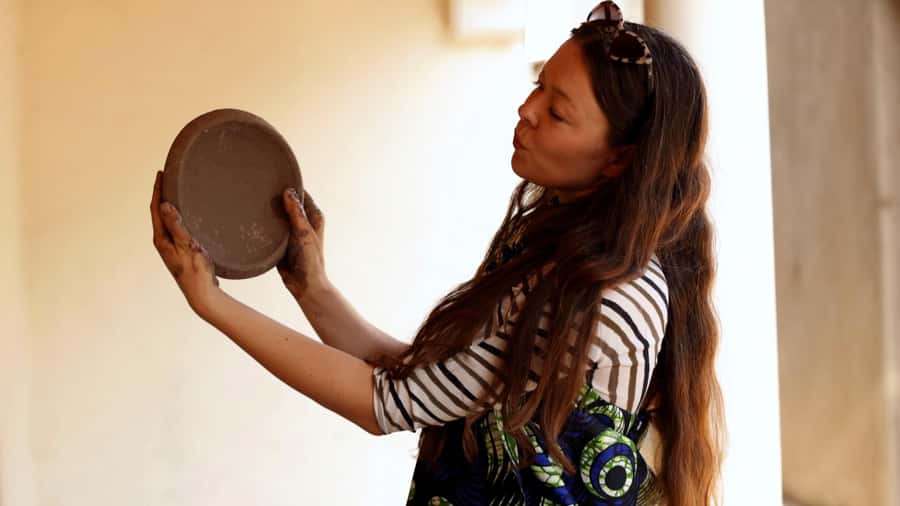
At $30 per person, you’re paying for far more than a quick photo stop. This price covers a guided Kubumba pottery session with local artisans, all necessary materials, cultural insights, and the personalized pottery piece you make.
So where does the value land?
1) You’re getting instruction. You’re not just sitting near clay and copying a static example. You’re supported while you build the piece.
2) You’re getting a take-home item. That’s not just a souvenir shop purchase, it’s something you shaped yourself.
3) You’re supporting community initiatives. The booking contributes to community development through Go Rwanda Now, connected via NuttinTODO. For me, that’s the kind of value that makes a craft class feel ethical, not performative.
There’s also the practicality angle. If your day already includes coffee or a snack stop, the coffee shop setting and complimentary drink noted in one review can help reduce the “extra spending” feeling. Meals are not included, but you might find a place to grab something nearby before or after.
In short, the price makes sense when you care about hands-on learning and a personal souvenir. If you only want a pre-made item, you’ll likely feel like you paid for time you didn’t need.
Timing tips: drying time can be the real decision point
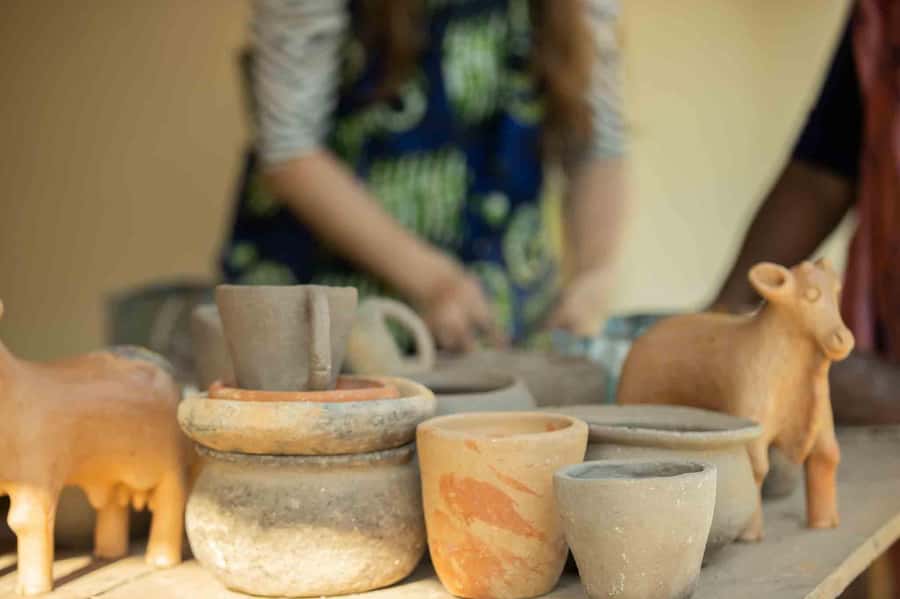
Here’s the part that can surprise you. Pottery needs time to harden. One booking noted the class did not clearly state that you need to leave it for about 3 days to harden, which meant they had to leave without their own master pieces. Another review said that in rainy season, the pots take longer to dry, so a piece might not be ready when you plan to depart.
That means the workshop experience has a two-stage reality:
- Stage one: you make it in the hour.
- Stage two: it finishes drying after the workshop.
So what should you do?
If you can, build the pottery class into a schedule where you can return later or where you don’t need the pottery in your hands immediately. If your trip is tight, ask the staff ahead of time how long hardening typically takes and whether you can collect it later. For rainy days, plan on extra time.
One small but important tip: if you’ll be moving around Kigali a lot, keep your schedule flexible enough that you don’t feel rushed if drying takes longer than expected. That one detail can turn a great experience into a frustrating souvenir story.






Who should book this workshop in Kigali
This is a strong fit if you want a creative, human-scale experience. You’ll enjoy it most if you like learning through doing, and if you enjoy meeting local artisans and hearing the meaning behind what you’re making.
It’s also a good family option. The reviews include a positive experience with twins age 8, including patient guidance and kids working on their own with support. If you’re bringing children, this kind of structure, where adults guide but kids participate, is often the sweet spot.
Solo travelers can also enjoy it. Pottery sessions often create natural conversation without needing you to “perform” in a group. If you prefer slower travel moments over rushing between sights, this fits.
If you’re the kind of traveler who wants detailed lectures or fluent, nonstop explanations, you might want to temper expectations. One review described a session where the guide did not speak much and language support felt unreliable. The craft work itself may still be satisfying, but the teaching experience can vary.
Finally, if you care deeply about taking your finished piece immediately, prioritize planning for drying time. Your day schedule matters here.
Community support: your souvenir has a social footprint
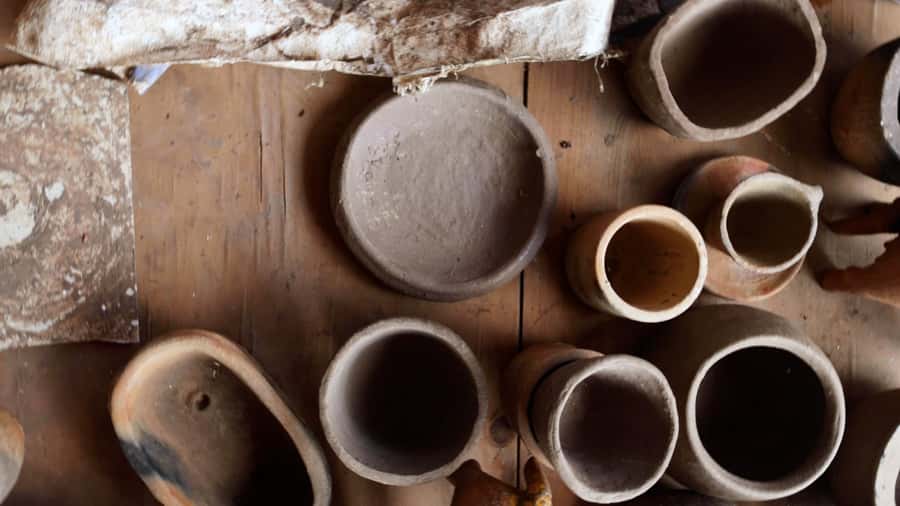
I like when a souvenir purchase doesn’t feel like a one-way transaction. This workshop is tied to community development through Go Rwanda Now, connected via NuttinTODO. That means your booking helps support local initiatives for sustainable tourism in Kigali.
How do you feel that value while you’re there? You feel it in who is teaching and how the session is organized. The instructors are local artisans, and the focus is on passing on the craft, not selling a product. When the people shaping the lesson are part of the community, your money has a clearer path into local life.
This is also why the experience works as more than a “craft demo.” You’re contributing to continuity. You’re funding the time and attention that keep traditional making alive.
The practical bottom line: book it or skip it?
If you want a meaningful souvenir and you’re okay planning for drying time, I’d recommend booking Kubumba Delight. For many people, the standout is the teaching, especially the patient guidance people named Mariam and Gloria. If you’re traveling with kids, it’s one of the better “hands-on” options in Kigali based on the age-fit experience shared.
Skip it only if you’re on a super tight schedule and cannot handle the possibility that your pottery needs a few extra days to harden. Also consider skipping if you’re mainly looking for heavy historical lectures, because this is primarily an activity where you make, not a long museum-style talk.
My advice: schedule it with buffer time, show up ready to get your hands dirty, and ask early about when you can collect your finished piece.
FAQ
How long is the Kubumba pottery experience?
The pottery experience runs for 1 hour.
How much does it cost?
It costs $30 per person.
What is included in the price?
You get a guided Kubumba pottery session with local artisans, cultural insights into the significance of Kubumba, all necessary materials, and a personalized pottery piece to take home. The booking also contributes to community development through Go Rwanda Now.
Are meals and refreshments included?
Meals and refreshments are not listed as included. The workshop location is described as a coffee shop setting, and one booking noted a complimentary drink included with the pottery purchase price (up to 3500 RWF).
Where does the activity take place?
It’s in Kigali Province in Kigali.
What languages are used during the session?
The instructor is listed as teaching in English and Swahili.
Do I need to bring my own tools or materials?
No. All necessary materials for the pottery activity are included.
Will I get my pottery immediately after the hour?
Not always. One review noted you may need to leave the pottery for hardening, around 3 days, and rainy season can slow drying.
Do I need transportation to reach the studio?
Transportation to and from the pottery studio is not included.
Can I cancel and get a refund?
Yes. You can cancel up to 24 hours in advance for a full refund.
Rwandan Workshops and Studios


More Tour Reviews in Kigali




More of Rwanda, reviewed
- Private Memorial Day Tour Ntarama and Nyamata
★ 5.0 · 3 reviews - Ntarama and Nyamata Genocide Memorial Day Tour
★ 4.5 · 3 reviews - From Kigali: 8 Hour Day-trip Lake Kivu Cruise Experience
★ 4.5 · 3 reviews - Bar Hopping Tour in Kigali Nightclubs
★ 4.0 · 3 reviews - Kigali City Tour and Sightseeing
★ 5.0 · 3 reviews
The rest of Rwandan Craft & Artisan Workshops.
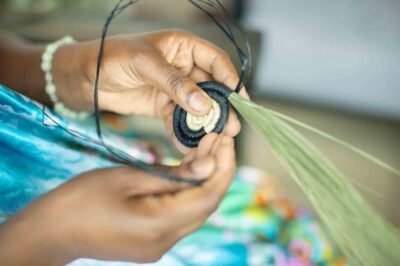 ★ 4.8Traditional Basket Weaving in a GardenFrom $3041 reviews
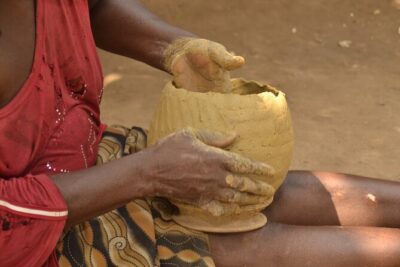 ★ 5.0Choose Your Traditional Craft ExperiencesFrom $3018 reviews
 ★ 5.0A Day in the Life of a Local ArtisanFrom $9014 reviews
 ★ 4.8Traditional Imigongo Painting with an Incredible ViewFrom $3010 reviews
 ★ 5.0Painting with Delicious CoffeeFrom $309 reviews
 ★ 5.0Imigongo Painting ClassFrom $155 reviews
 ★ 5.0Traditional Carpet Weaving (Ikirago) + amazing viewsFrom $303 reviews
 ★ 5.0Kigali’s Art Tour with AlineFrom $253 reviews
Other lists it sits in