
REVIEW · RWANDAN CRAFT & ARTISAN WORKSHOPS
Kigali: Traditional Basket Weaving in a Garden
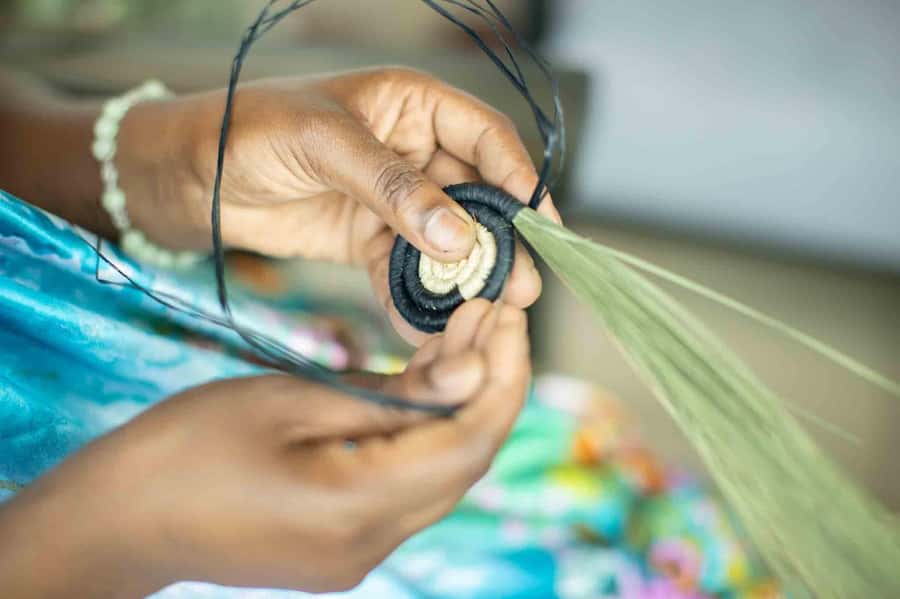
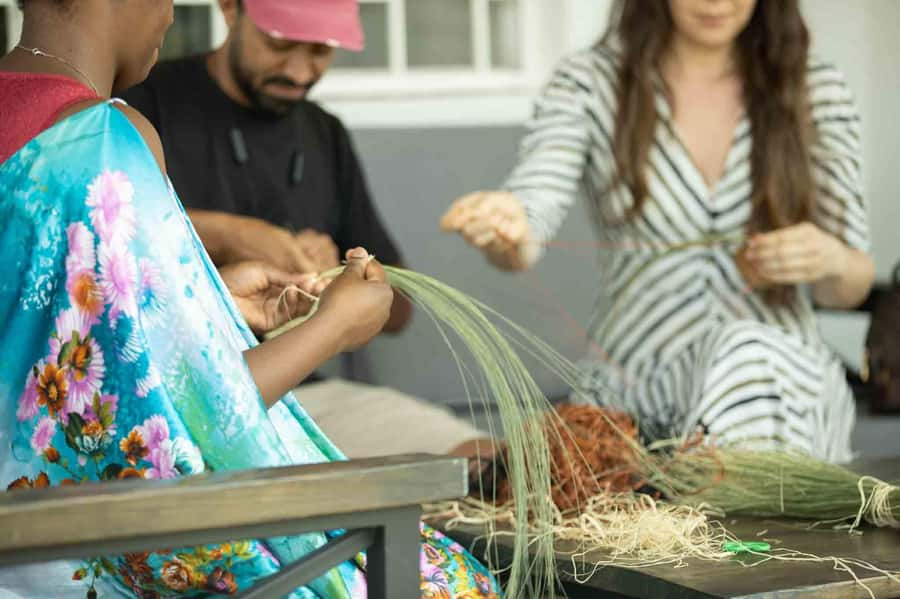
Kigali basket weaving turns craft into conversation. In a calm garden setting, you work side by side with local artisans as you learn traditional techniques and the meaning behind the patterns.
Two things I really like: the patient step-by-step teaching (with support in English or French) and the fact that you leave with a real take-home piece you made yourself, not just photos. One thing to consider is that this is a hands-on class, so if you dislike careful, repetitive work, you may find it slower than other Kigali activities.
In This Review
- Key Highlights You Will Feel in the Room
- A Garden Workshop Where Kigali Traditions Become Practical Skills
- What You Make in Two Hours, and What to Expect Take-Home
- The Teaching Style: Slow Enough to Learn, Helpful Enough to Finish
- The Cultural Part You Actually Remember, Patterns and Meaning
- Price and Value: About $30 for Real Instruction and a Souvenir
- Logistics That Matter in Kigali: Timing, Language, and What’s Included
- Who This Workshop Suits Best (and Who Might Want Something Else)
- Should You Book Kigali Traditional Basket Weaving?
- FAQ
- Where is this activity located?
- How long does the basket weaving workshop take?
- How much does it cost?
- What is included in the workshop?
- Are transportation costs included?
- What languages are supported?
- Is it suitable for people with food allergies?
- Can I cancel if my plans change?
- Is there a pay-later option?
Key Highlights You Will Feel in the Room
- Small-group vibe that helps you get hands-on attention
- Patient instruction from skilled local women, including examples like Sandrine
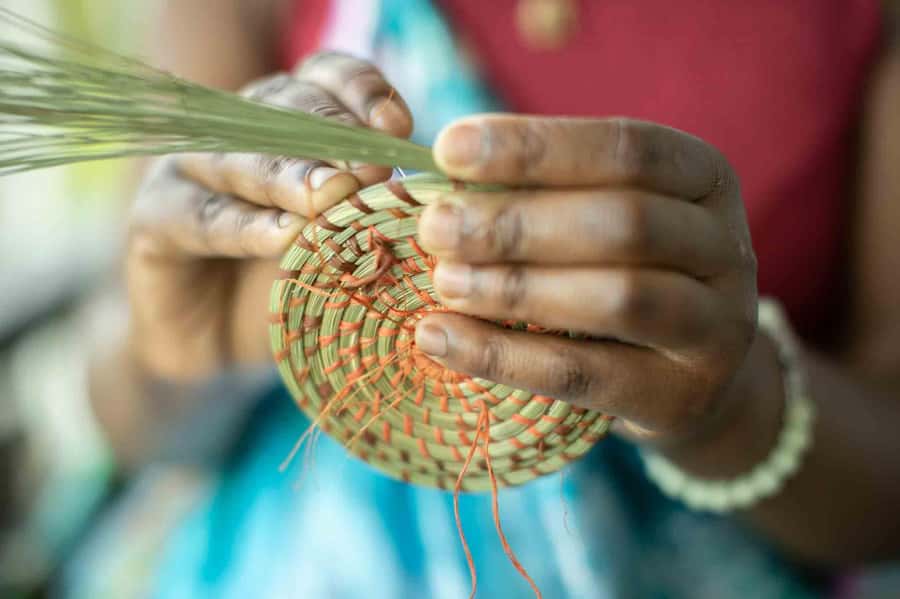
- Create a wearable souvenir, often a basket, coaster, or small bowl depending on the class flow
- Garden setting with a relaxed pause that some classes include with tea or coffee
- Storytelling with cultural context tied to patterns and designs
- Support local livelihoods, with income flowing directly to the craftsmen involved
A Garden Workshop Where Kigali Traditions Become Practical Skills
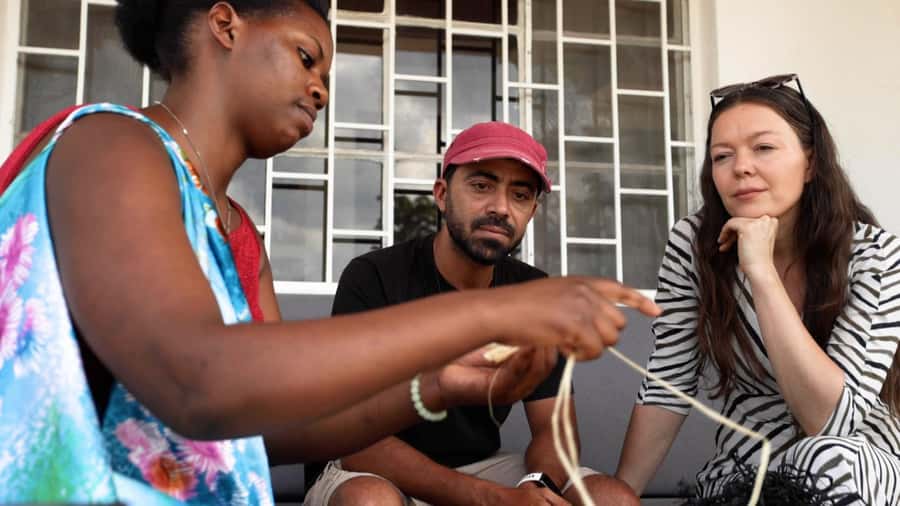
This is the kind of activity that makes Rwanda feel close up. Instead of standing back while someone explains from a distance, you actually put the material in your hands and follow the rhythm of the work. The setting matters too, because the class takes place in a garden environment, which keeps the tone relaxed and friendly.
You start with a welcome from Rwandan artisans who explain what you are about to make and why it matters. That upfront human connection is important. It turns basket weaving from a novelty souvenir into something you understand: the craft is tied to everyday life and to cultural identity, and your teachers do a good job connecting the patterns to meaning rather than treating them like decoration.
More imigongo, weaving and pottery sessions
- Kigali: Traditional Basket Weaving in a Garden★ 4.8 · 41 reviews
- Kigali: Choose Your Traditional Craft Experiences★ 5.0 · 18 reviews
- A Day in the Life of a Local Artisan★ 5.0 · 14 reviews
- Kigali: Traditional Kubumba Pottery Making with Local Women★ 4.6 · 12 reviews
What You Make in Two Hours, and What to Expect Take-Home
The workshop is scheduled for 2 hours, which is a good length for first-timers. You are not stuck for half a day, and you are not rushed through a “look, then leave” demo. In that window, you will learn core weaving motions and then use them to build your own piece.
What that final object looks like can vary, based on the specific session setup. The activity is described as a basket weaving workshop, and many participants come away with a small basket. Other accounts mention making a coaster or a small bowl as well. One person specifically described making a coaster using papyrus leaves, which suggests some sessions may mix in related craft materials or alternate projects.
Here is the practical takeaway: if you care about what you will bring home, ask the day’s instructor what format you will make (basket, coaster, or small bowl). You will still learn the same weaving logic, but the finished item can change.
The Teaching Style: Slow Enough to Learn, Helpful Enough to Finish
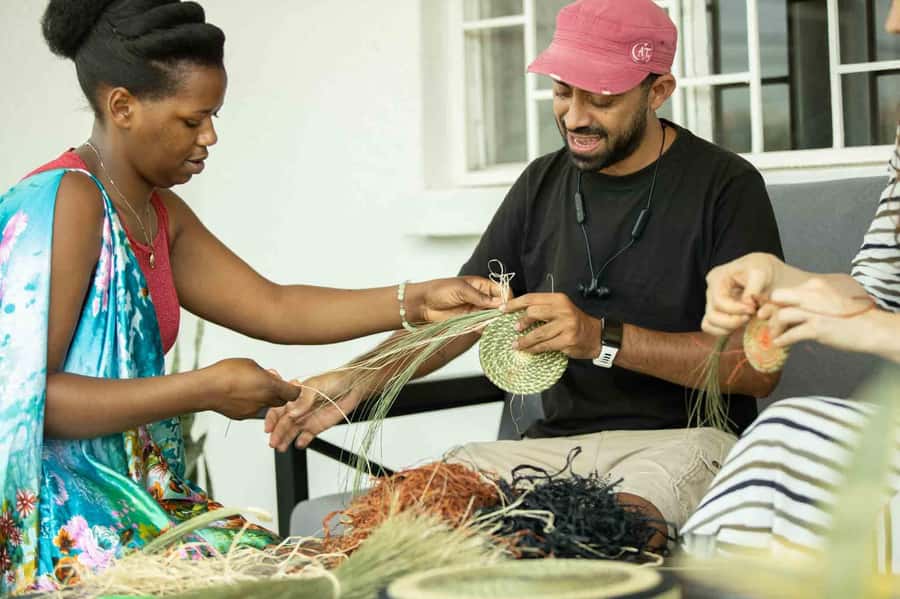
What makes this class work is the teaching pace. The standout theme is patience. Your instructors take time to show each step, and they are willing to slow down when your hands are not yet doing what your eyes just watched.
A few useful details show up repeatedly:
- You get guided practice, not just a one-time explanation.
- You can ask questions during the session.
- Support is available in English and French, and a translator may be used so you can follow comfortably.
Names you may hear include Sandrine (spelled Sandrin in at least one account), a teacher described as skilled and very patient. Even if your guide is someone else, the experience is consistently reported as encouraging rather than strict. You might not produce a perfect pattern on your first try, but you will likely end with something you feel proud to carry home.
Also, there can be a little flexibility around timing. One account described the class running a bit overtime to make sure the group finished. That is a nice sign: it means the staff cares more about completion than checking a box.
The Cultural Part You Actually Remember, Patterns and Meaning
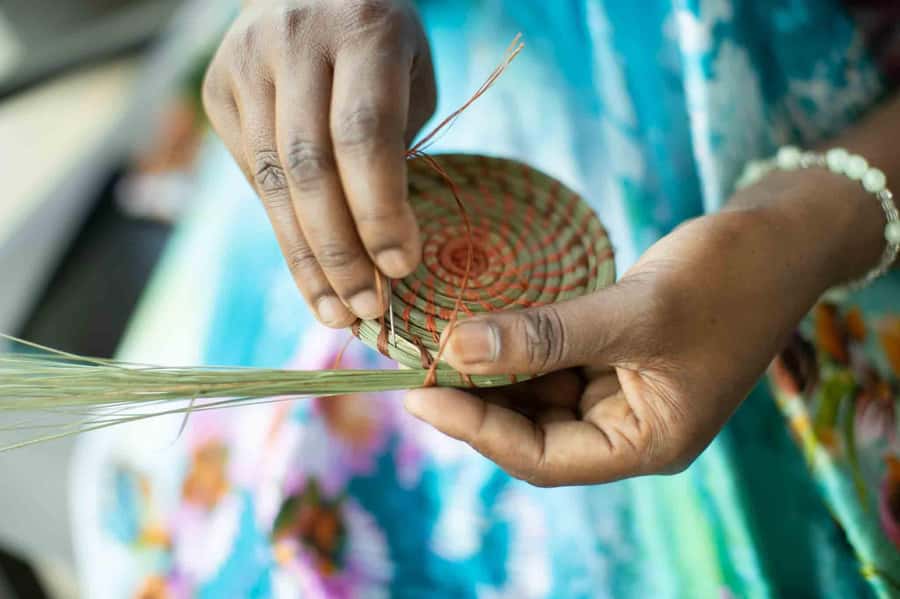
The workshop is not just about making a product. Before you start weaving, and again during the work, the artisans share context and stories. You learn about the cultural significance of patterns and design choices, and you hear personal stories from the women teaching the craft.
This is valuable for two reasons. First, it gives your hands a job. When you know what you are doing and why it matters, the work feels purposeful, not mechanical. Second, it helps you appreciate the craftsmanship behind what looks simple in a photo.
One more detail worth noting: you are also encouraged to talk with the women leading the session. That conversation element is not “extra.” It is part of what makes the experience authentic. You come away with a clearer sense that weaving is skilled labor and community knowledge, passed down through generations.
Price and Value: About $30 for Real Instruction and a Souvenir
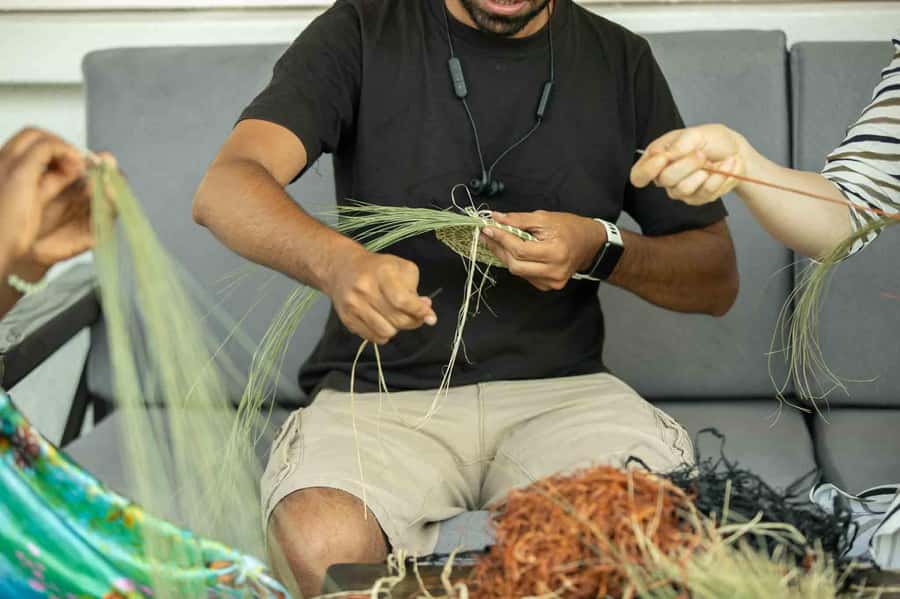
At $30 per person for 2 hours, this sits in the range of a fair, hands-on cultural class. The best value is not the object alone. You are paying for:
- instruction from skilled local artisans
- all materials and tools
- cultural storytelling
- a finished item you can keep
That combination is where the value lives. A cheaper souvenir-only purchase gives you a basket, but usually not the process. A more expensive workshop might offer a similar object but less direct teaching. Here, the consistent feedback centers on supportive instruction and the chance to actually make something.
A practical note: transportation is not included. So your total cost depends on how you get there. If you are already based nearby in Kigali Province, the price is straightforward. If you need a car or taxi ride across town, factor that in.
Logistics That Matter in Kigali: Timing, Language, and What’s Included
This class is built to be easy to plan. The duration is 2 hours, and instruction is available in English and French. Your materials and tools are included, so you do not need to track down supplies or worry about bringing the right gloves or equipment.
A few things you should keep in mind:
- Transportation is not included, so plan your route ahead of time.
- Personal expenses are not included.
- The activity is marked as not suitable for people with food allergies. If that affects you, confirm with the operator before booking, since the exact reason is not spelled out in the activity info.
- You may be offered something to drink in the onsite setting. One account described free coffee, and another mentioned tea.
What I like about the setup is that it is simple. You show up, you get welcomed, you get taught, and you leave with something you made.






Who This Workshop Suits Best (and Who Might Want Something Else)
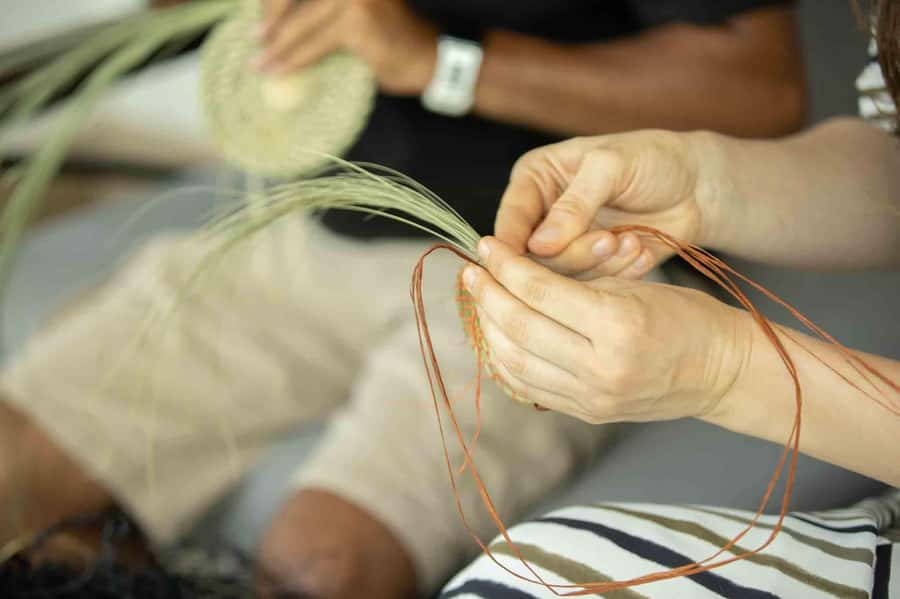
This is a strong pick if you want a cultural activity that feels human scale. It fits well for:
- solo travelers who like meeting teachers and asking questions
- couples who want a shared, calm task
- small groups who prefer learning over sightseeing sprints
You do not need to be “crafty.” The class is paced for beginners. In fact, one account joked about struggling at weaving but still having fun, which is exactly the right attitude. You are learning a skill, not passing a test.
Where you might pause: if you hate slow manual work or you are expecting a high-energy tour, this can feel quieter than you planned. Also, if you are traveling with someone who wants only dramatic landmarks, a weaving workshop may not match that mood.
Should You Book Kigali Traditional Basket Weaving?
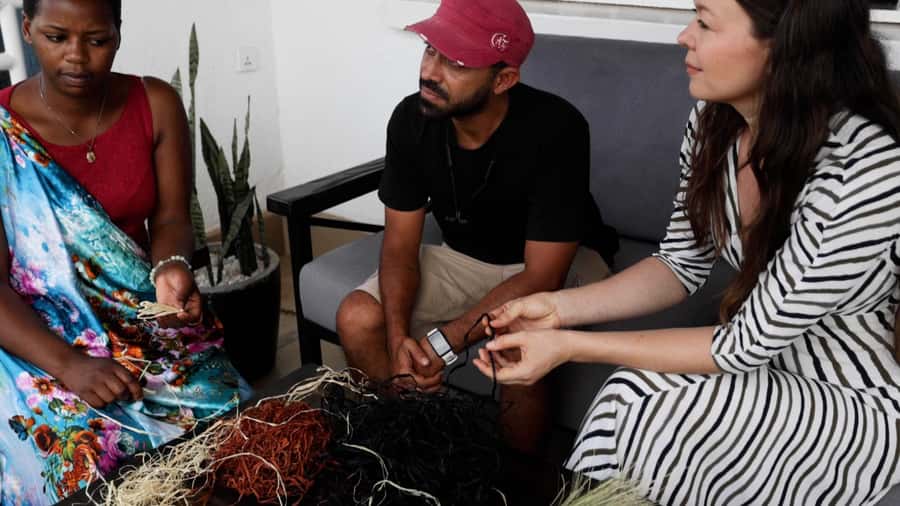
If you want a Kigali experience that is hands-on, culturally grounded, and actually productive, I think this is a smart booking. The best reasons are practical: patient instruction, materials provided, and a finished souvenir you can use or display.
Book it if you:
- enjoy learning local skills
- like spending time with artisans rather than just shopping
- want a calm activity with a clear “make something” payoff
Skip or swap it if you:
- need an activity with minimal handwork
- expect guided transport from your hotel as part of the price
- have food allergy concerns and cannot confirm what that note applies to
FAQ
Where is this activity located?
It takes place in Kigali Province, Rwanda.
How long does the basket weaving workshop take?
The duration is 2 hours.
How much does it cost?
The price is listed as $30 per person.
What is included in the workshop?
It includes an introduction and welcome by local Rwandan artisans, a hands-on basket weaving workshop, all materials and tools, and cultural insights with storytelling.
Are transportation costs included?
No. Transportation to and from the activity location is not included.
What languages are supported?
The instructors provide support in English and French.
Is it suitable for people with food allergies?
The activity is marked as not suitable for people with food allergies.
Can I cancel if my plans change?
Yes. You can cancel up to 24 hours in advance for a full refund.
Is there a pay-later option?
Yes. You can reserve now & pay later, meaning you can book your spot and pay nothing today.
Rwandan Workshops and Studios



More Tour Reviews in Kigali




More of Rwanda, reviewed
- Private Memorial Day Tour Ntarama and Nyamata
★ 5.0 · 3 reviews - Ntarama and Nyamata Genocide Memorial Day Tour
★ 4.5 · 3 reviews - From Kigali: 8 Hour Day-trip Lake Kivu Cruise Experience
★ 4.5 · 3 reviews - Bar Hopping Tour in Kigali Nightclubs
★ 4.0 · 3 reviews - Kigali City Tour and Sightseeing
★ 5.0 · 3 reviews
The rest of Rwandan Craft & Artisan Workshops.
 ★ 5.0Choose Your Traditional Craft ExperiencesFrom $3018 reviews
 ★ 5.0A Day in the Life of a Local ArtisanFrom $9014 reviews
 ★ 4.6Traditional Kubumba Pottery Making with Local WomenFrom $3012 reviews
 ★ 4.8Traditional Imigongo Painting with an Incredible ViewFrom $3010 reviews
 ★ 5.0Painting with Delicious CoffeeFrom $309 reviews
 ★ 5.0Imigongo Painting ClassFrom $155 reviews
 ★ 5.0Traditional Carpet Weaving (Ikirago) + amazing viewsFrom $303 reviews
 ★ 5.0Kigali’s Art Tour with AlineFrom $253 reviews
Other lists it sits in