
REVIEW · RWANDAN CRAFT & ARTISAN WORKSHOPS
Kigali:Traditional Imigongo Painting with an Incredible View
Cow-dung art and a Kigali view sounds impossible. But Imigongo makes sense once you learn its roots, tied to Prince Kakira in the 18th century, and how the decorative patterns come to life on walls using traditional materials. I like how the experience starts with real context, not just a quick demo.
I especially enjoyed the way the session stays practical. You get a guided tour of the local studio and gallery, see lots of examples in the same setting you’ll work in, then pick up the technique from expert local painters in a small group.
One thing to consider before you go: this is definitely hands-on, and it is not suitable for altitude sickness or people over 70. If you know you get uncomfortable with paint, or you want a mostly sit-and-watch experience, this may feel like the wrong match.
In This Review
- Key highlights worth your attention
- Imigongo, the cow-dung art of Prince Kakira’s era
- Mountain Rebero views and the studio/gallery setup
- How the 2-hour session works, step by step
- 1) Start with context
- 2) Walk through the studio and gallery examples
- 3) Hands-on painting with expert guidance
- 4) Wrap up and take your piece home
- What you make, and why taking it home is part of the value
- Teaching style, language, and the small group advantage
- Price and value: what $30 really covers
- Practical tips: what to bring and what to avoid
- Who this experience suits best (and who should skip)
- Quick reality check on logistics
- Should you book this Imigongo painting workshop?
- FAQ
- How long is the Imigongo painting experience?
- How much does it cost?
- What is included in the price?
- Is transport to and from the venue included?
- What should I bring?
- Can I cancel and get a full refund?
Key highlights worth your attention
- 18th-century Imigongo origins: you get the story behind the patterns and materials, including Prince Kakira.
- Small group up to 10: more time with the instructor, less waiting around.
- Gallery tour on site: you learn by seeing the artwork up close first, then making your own.
- Mountain Rebero views: when the sky is clear, the setting adds real energy to the creative break.
- English instruction with local expert painters: the technique explanations are built for you to actually use.
- Take-home artwork included: the price covers your finished piece and all painting supplies.
Imigongo, the cow-dung art of Prince Kakira’s era
Imigongo is one of those traditions that sounds unusual until you see how intentional it is. The basics are simple: it is a traditional Rwandan art form created using cow dung on walls, then shaped into precise decorative patterns. You learn this background early, so when you sit down with your own materials, the symbols and structure feel less like random design and more like a system.
I love that the history lesson is not treated like trivia. It actually connects to what you will do with your hands during the painting session. You hear how artists use bright colors and repeating shapes to create the final look, and you get a sense of why this art form matters in Rwanda. That matters because the activity is not only about producing something pretty, it is about understanding the cultural logic behind the patterns.
Also, this is not a generic craft class. The focus stays on Imigongo as a recognizable, traditional style. That gives the experience more meaning than a one-off souvenir photo booth.
More imigongo, weaving and pottery sessions
- Kigali: Traditional Basket Weaving in a Garden★ 4.8 · 41 reviews
- Kigali: Choose Your Traditional Craft Experiences★ 5.0 · 18 reviews
- A Day in the Life of a Local Artisan★ 5.0 · 14 reviews
- Kigali: Traditional Kubumba Pottery Making with Local Women★ 4.6 · 12 reviews
Mountain Rebero views and the studio/gallery setup
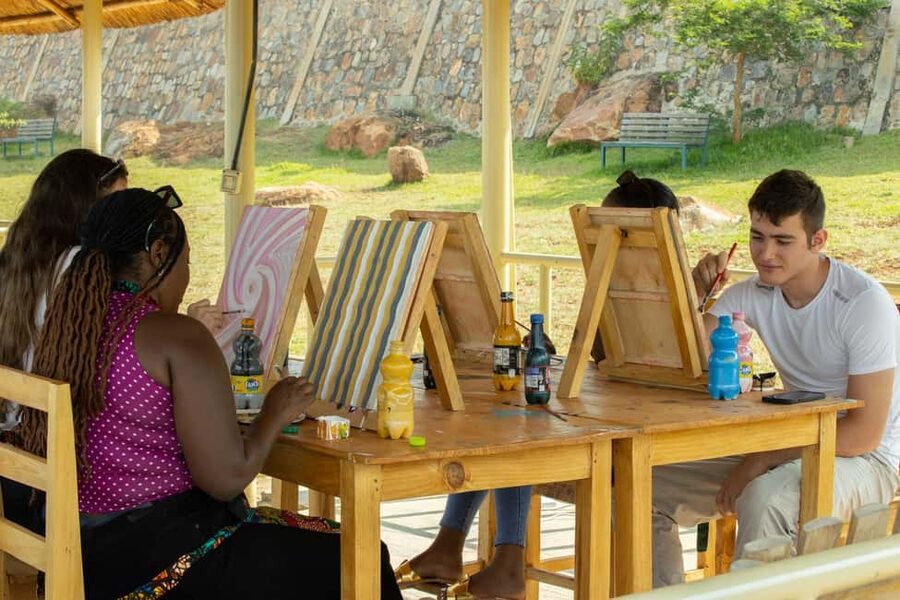
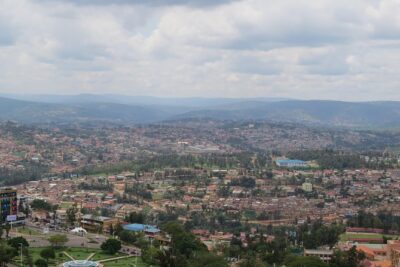
The experience takes place in a local art studio and gallery in a park setting with views around Mountain Rebero. Even if you care more about the art than the scenery, it helps that the location feels like a real workspace, not a rushed stop on a checklist. There is also music played in the background to keep the creative mood light and steady.
A couple of practical notes matter here. First, the view is best when the sky is clear, so if your day is hazy, set your expectations accordingly and still enjoy the studio part. Second, some people find the location a bit hard to spot, so I’d plan a little extra time to arrive and get settled.
And please take the bug situation seriously. One handy tip that comes up often is to bring mozzie spray, since you’ll be in a park environment while you wait, learn, and paint.
How the 2-hour session works, step by step
The format is straightforward, which is good. You have a total duration of about 2 hours, and it is built around a simple flow: history, examples, instruction, then your own piece.
1) Start with context
You begin by learning the history and cultural importance of Imigongo. You should expect a guided explanation of the decorative patterns, how artists think about the final image, and what makes the technique distinctly Imigongo. This is where the experience earns its credibility, because it frames what you’re about to do.
2) Walk through the studio and gallery examples
Next comes a guided tour of the studio and gallery. You’ll be surrounded by artwork, which helps you understand how the patterns look in real life, not just as a printed picture. It also gives you design ideas without turning the class into copy-and-paste art.
If you care about accuracy, this step matters. Seeing the gallery work before you paint usually makes the whole session calmer. Your decisions get easier.
3) Hands-on painting with expert guidance
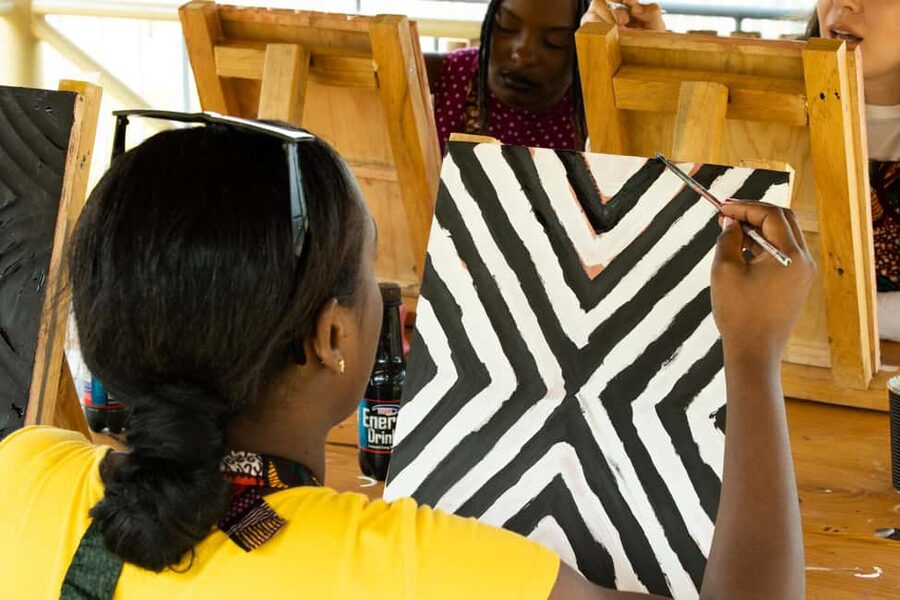
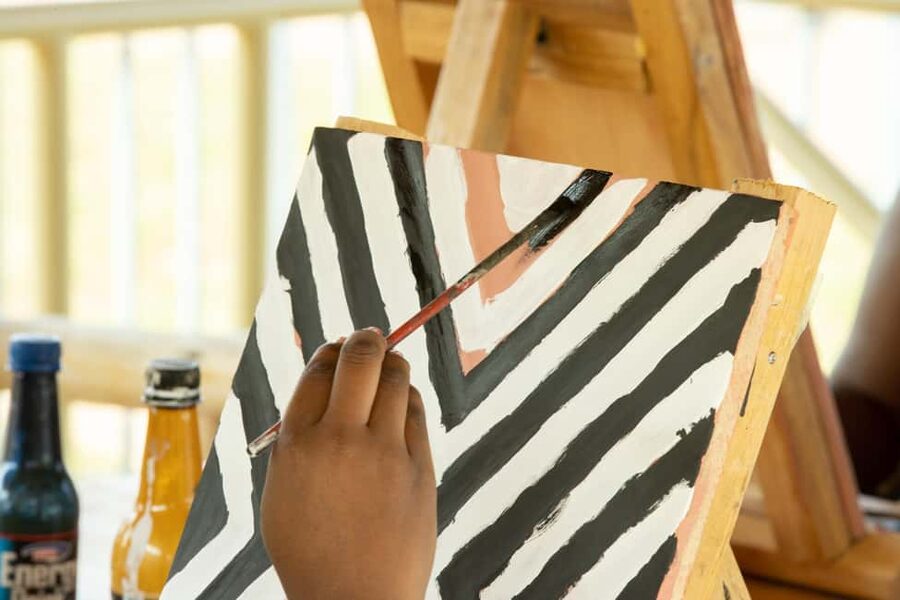
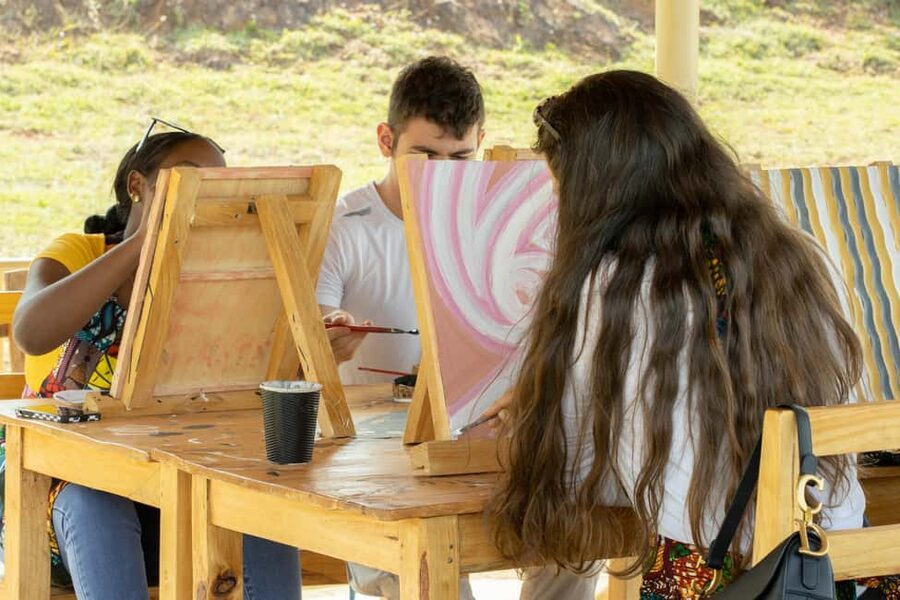
Then you get your materials and the real work begins. The local expert painters teach technique as you go, and you learn how to make your painting under their guidance. The session is hands-on enough that you should expect to get a little messy, since this is a paint-based workshop.
If you’re nervous about art, don’t overthink it. The class is designed with an instructional approach, and the goal is that you leave with a finished piece you can take home. That is the difference between watching a show and actually doing the craft.



4) Wrap up and take your piece home
By the end, you walk away with a handcrafted Imigongo painting created by you. The experience includes all materials needed for painting, and the price also covers an Imigongo painting you take home. So you are not paying extra at the end to bring something back.
You may also get complimentary refreshments and take-home souvenirs during the experience. Even if you do not focus on the souvenirs, that small touch helps make the whole workshop feel like a welcome rather than a transaction.
What you make, and why taking it home is part of the value
The best part is the tangible result. You finish with an individual piece of traditional Rwandan art. That is more than a craft souvenir, because you are creating in a recognized cultural style and learning the thinking behind it.
This is also a practical travel win: your memory becomes something physical. A photo is nice, but it does not hang on your wall. Your Imigongo piece does.
And you should appreciate what is included. The class covers supplies and your take-home artwork, so the total cost stays predictable. In other words, you are paying for the full experience, not just for instructions.
One more small detail that affects your enjoyment: the studio environment makes it easier to keep momentum. You are not painting in a sterile room with nobody around. You’re painting where the art lives, and that changes how you see your own work while it develops.
Teaching style, language, and the small group advantage
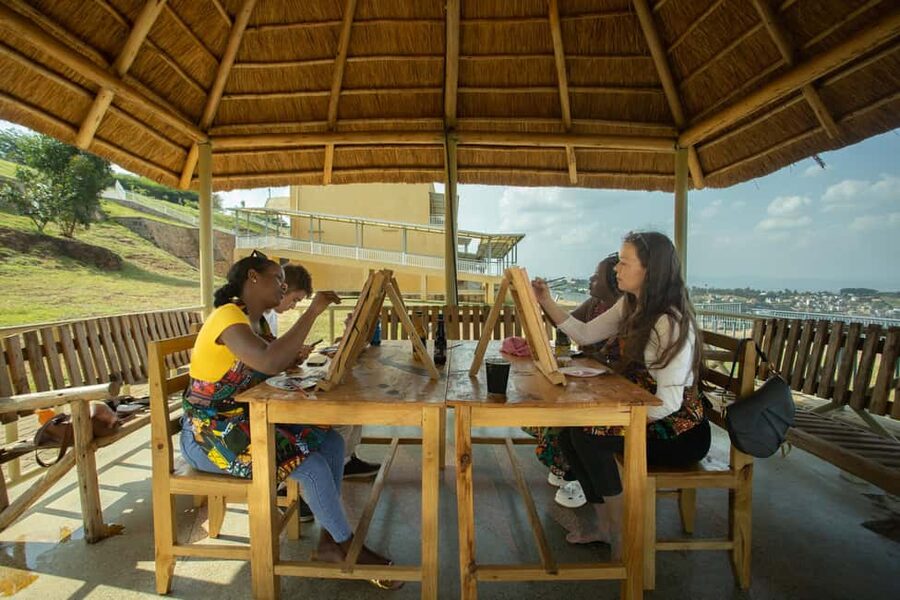
This is an English-led experience, and the instruction is from local expert painters. That matters because traditional technique can be hard to describe without someone who knows how to explain it clearly. In the session, you get guidance that helps you actually execute the patterns, not just hear stories about art.
Also, the group size is limited to 10 participants. In practice, that means you’re more likely to get attention when you have questions or when you need a quick fix to your approach. If you’ve ever done a workshop where you are one of 30 people, you know how frustrating that can be. Here, the small group helps keep the pace friendly.
If you want extra cultural context, you’re in a good spot. In previous sessions, instructors like Junior have been mentioned as kind and willing to share more about the culture behind the craft. Even when the workshop is focused, the teachers are clearly invested in explaining the why.
Price and value: what $30 really covers
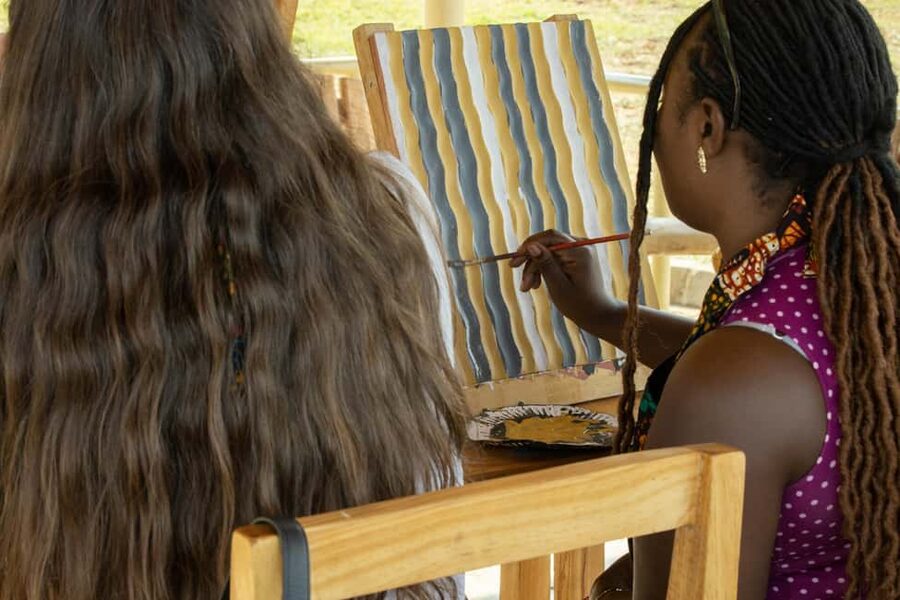
At $30 per person, this is not a budget bargain in the sense of being ultra-cheap. But it often feels like fair value because the price covers the essentials you would otherwise pay for separately.
Here’s what you get included:
- A guided tour of the local art studio and gallery
- A hands-on painting session with instruction from local expert painters
- All materials and supplies included
- Your take-home Imigongo artwork
When you compare that to classes where you pay for tuition and then buy your finished piece separately, this structure is easier to understand. You know what the cost is upfront, and you leave with a finished product.
For many people, the value also comes from the time and setting. Two hours is just long enough to learn something real and make something you can take home, without eating your whole day. Add the mountain views and the park atmosphere, and the experience becomes more than a quick souvenir stop.
Practical tips: what to bring and what to avoid

You should plan for a true paint workshop. That means practical prep.
Bring:
- A change of clothes (this is the smart call for a messy art session)
- A camera (to capture your progress and the setting)
Also consider:
- Mozzie spray, since the activity is in a park area with views
What to avoid:
- Strollers, baby carriages, and baby strollers are not allowed
- Alcohol and drugs are not allowed
Health and comfort are important too. This experience is not suitable for:
- Children under 12 years of age
- People who suffer severe allergies to paint or related substances
- People with altitude sickness
- People over 70 years
If any of those apply, it is better to skip this one and choose a different Kigali activity that fits your needs.
Who this experience suits best (and who should skip)
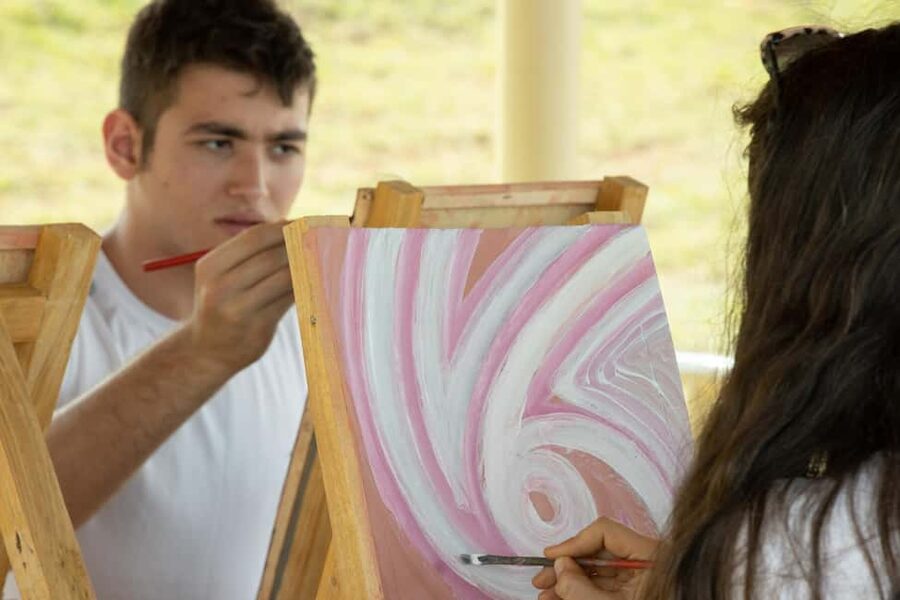
This is best for you if you like doing things with your hands and you want a cultural craft that feels rooted in Rwanda, not copied from elsewhere. The session is ideal for art fans, culture seekers, and anyone who wants a creative break that still connects to history.
You’ll probably enjoy it if:
- You are curious about Imigongo and want the background
- You’re comfortable getting a little messy
- You like guided instruction and a small group setting
You should skip it if:
- You need a fully seated, low-activity experience
- You have severe paint allergies
- Altitude or age limits are a concern for you
- You are traveling with a child under 12
Also, if you dislike being in an outdoor park setting, you might find the environment less comfortable. The activity is not only indoors, and the bug-spray tip is there for a reason.
Quick reality check on logistics
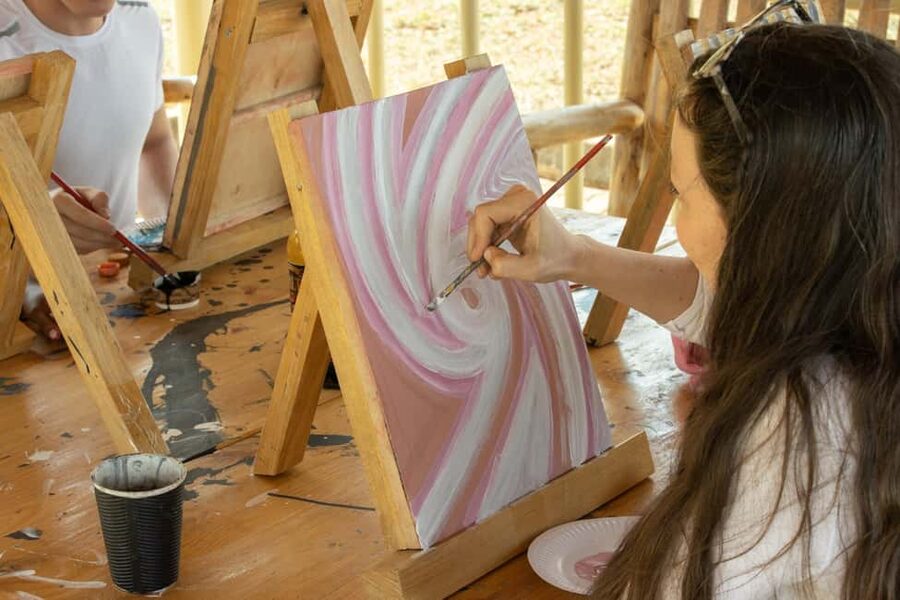
Transport to and from the venue is not included, so you’ll need to figure that out as part of your Kigali day. Plan your timing so you’re not stressed trying to find the location on a tight schedule.
The good news is the duration is clear: 2 hours. And the workshop includes everything you need to paint, so you’re not spending time hunting for supplies. If you’re the type who likes a set plan, this one works.
Should you book this Imigongo painting workshop?
I think it’s a strong choice if you want a hands-on cultural activity in Kigali that ends with something real in your hands. The mix of history context, a guided studio/gallery tour, and an instructor-led painting session makes it feel purposeful. Plus, the price covers your materials and the take-home artwork, which removes a lot of the usual workshop uncertainty.
Book it if you’re excited to create, not just to watch. Skip it if paint allergies, altitude concerns, or mobility needs make a hands-on workshop a bad fit. If you fall in the first group, you’ll likely leave with a new appreciation for Imigongo and a piece of Rwanda that you can actually display.
FAQ
How long is the Imigongo painting experience?
The experience lasts about 2 hours.
How much does it cost?
It costs $30 per person.
What is included in the price?
You get a guided tour of the local art studio and gallery, hands-on painting instruction, all materials and supplies, and a take-home Imigongo painting.
Is transport to and from the venue included?
No. Transport to and from the venue is not included.
What should I bring?
Bring a change of clothes and a camera.
Can I cancel and get a full refund?
Yes. You can cancel up to 24 hours in advance for a full refund.
Rwandan Workshops and Studios


More Tour Reviews in Kigali



More of Rwanda, reviewed
- Private Memorial Day Tour Ntarama and Nyamata
★ 5.0 · 3 reviews - Ntarama and Nyamata Genocide Memorial Day Tour
★ 4.5 · 3 reviews - From Kigali: 8 Hour Day-trip Lake Kivu Cruise Experience
★ 4.5 · 3 reviews - Bar Hopping Tour in Kigali Nightclubs
★ 4.0 · 3 reviews - Kigali City Tour and Sightseeing
★ 5.0 · 3 reviews
The rest of Rwandan Craft & Artisan Workshops.
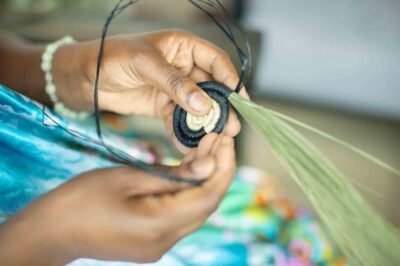 ★ 4.8Traditional Basket Weaving in a GardenFrom $3041 reviews
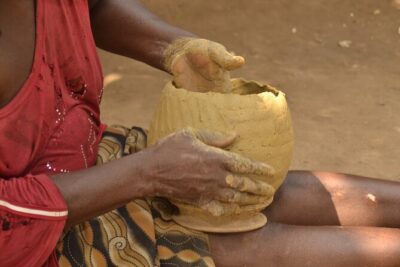 ★ 5.0Choose Your Traditional Craft ExperiencesFrom $3018 reviews
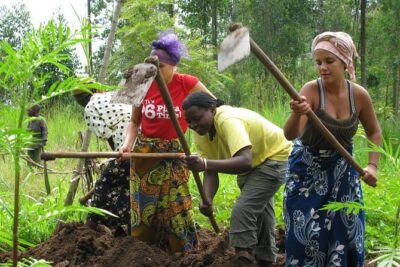 ★ 5.0A Day in the Life of a Local ArtisanFrom $9014 reviews
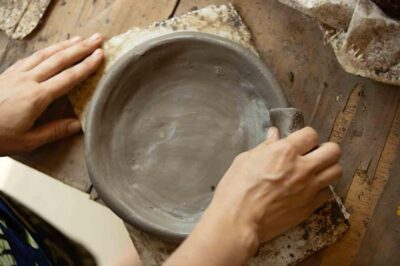 ★ 4.6Traditional Kubumba Pottery Making with Local WomenFrom $3012 reviews
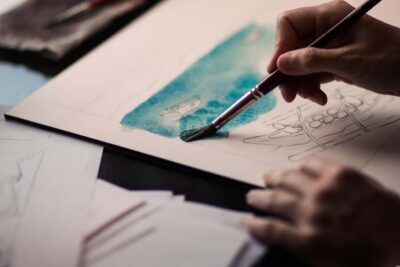 ★ 5.0Painting with Delicious CoffeeFrom $309 reviews
 ★ 5.0Imigongo Painting ClassFrom $155 reviews
 ★ 5.0Traditional Carpet Weaving (Ikirago) + amazing viewsFrom $303 reviews
 ★ 5.0Kigali’s Art Tour with AlineFrom $253 reviews
Other lists it sits in