

REVIEW · RWANDAN CRAFT & ARTISAN WORKSHOPS
Kigali: Traditional Carpet Weaving (Ikirago) + amazing views
Weaving a little Rwanda takes only three hours. In Kigali, this Ikirago workshop puts you inside a traditional studio, where you start with the meaning behind patterns and colors before you get hands-on with sisal fiber. I especially like the patient, step-by-step coaching and the fact that you leave with something you made, not just photos.
The main catch is time. Three hours is long enough to feel proud of your finished piece, but if you’re naturally quick with your hands, you may wish you had more time to refine it.
In This Review
- Key things I’d focus on before you go
- How the Ikirago workshop works in Kigali
- Learning the patterns, colors, and meaning before you weave
- Hands-on weaving in a traditional studio
- What you can make
- Your mini Ikirago carpet: what it’s like to take it home
- Kigali workshop setting and those amazing views
- Price and value: is $30 for 3 hours a fair deal?
- Who should book this (and who might want to rethink it)
- Age considerations
- Practical tips so your 3 hours go smoothly
- Wear and bring the right things
- Arrive early
- Know what is not allowed
- Should you book this Ikirago weaving experience?
- FAQ
- How long is the Ikirago weaving workshop?
- What is the price per person?
- Is the workshop beginner friendly?
- What language is the instruction?
- Will I take home what I make?
- What materials and tools are provided?
- Do I need to bring anything?
- Is hotel pickup or drop-off included?
- Who is this workshop not suitable for?
Key things I’d focus on before you go

- Traditional Ikirago weaving, not a demo: You create your own mini carpet during the session.
- Sisal fiber with real tools: You work with the materials and methods used for these pieces.
- Stories behind the patterns: You learn why colors and designs matter before you weave.
- Guidance from local artisans: Help is right there when you need it, and beginners are welcome.
- A take-home piece with purpose: Wall hanging, table mat, or any use you choose.
- Great Kigali views while you work: The setting makes the workshop feel special, not cramped.
How the Ikirago workshop works in Kigali

This is a focused, 3-hour craft experience centered on traditional Ikirago carpet weaving. You’ll be in a real weaving studio with skilled artisans guiding you, not in a classroom where everyone finishes at the same speed.
The flow is simple. You begin with context, then you move to the actual weaving steps. By the end, you’ll have your own mini carpet to take home, plus a chance to walk around and see additional designs and finished examples while the weavers keep working.
The workshop is English-led, and it’s beginner friendly, so you do not need prior weaving experience.
More imigongo, weaving and pottery sessions
- Kigali: Traditional Basket Weaving in a Garden★ 4.8 · 41 reviews
- Kigali: Choose Your Traditional Craft Experiences★ 5.0 · 18 reviews
- A Day in the Life of a Local Artisan★ 5.0 · 14 reviews
- Kigali: Traditional Kubumba Pottery Making with Local Women★ 4.6 · 12 reviews
Learning the patterns, colors, and meaning before you weave
Before your fingers get busy, you’ll be introduced to the history and cultural importance of Ikirago carpets. It’s not just trivia. The point is to help you understand what you’re making so your choices feel intentional, not random.
You’ll hear the stories tied to the patterns and the colors used in these pieces. Even if you do not consider yourself artsy, this part helps you spot what makes Ikirago visually distinct, and it gives your project a stronger sense of place. It also keeps the session from feeling like a cookie-cutter craft class.
I like that this workshop starts with meaning first. It makes the later weaving steps easier to stick in your head, because you understand what you are aiming for.
Hands-on weaving in a traditional studio

Once you’re ready, the workshop shifts into practical mode. You’ll learn the basics of weaving using sisal fiber with traditional methods passed down through generations. The instruction is active, and artisans are on hand to assist you at each stage.
What this looks like in real life is teamwork: you do the hands-on work, and your guide and artisans correct, suggest, and help you get unstuck. If you have never woven before, that matters. If you do have a little experience, you’ll still benefit from the direct coaching, because Ikirago has its own rhythm.
The session is built to end with you completing a mini version of an Ikirago piece. You get to apply what you learned rather than watching someone else finish while you take notes.
What you can make
Your mini carpet can be used as a:
- Wall hanging
- Table mat
- Or another purpose you choose for home
You’re not locked into one final use. You’ll leave with a finished piece that’s flexible in how you display it.
Your mini Ikirago carpet: what it’s like to take it home

There’s a very specific kind of pride that comes from making a tangible object with your own hands. Here, it’s multiplied because you’re learning from artisans and producing something that has a purpose beyond decoration.
You’ll finish the workshop with your own mini carpet, which gives you a real souvenir. It is small enough to take home easily, but meaningful enough to remember the day you made it.
One thing I appreciate is that the workshop does not pretend the goal is perfection. It’s about participation and learning. You should walk out feeling like you contributed to a real tradition, not like you rushed through a generic craft.
Kigali workshop setting and those amazing views

Even when you’re focused on your hands, the surroundings matter. The workshop setting includes great views around Kigali, so you can enjoy a little scenery between instructions and while you look at the studio’s other pieces.
This matters more than you might think. A craft class can feel repetitive and indoor-only, but here the environment makes the experience feel more like a stop in a working place, not a temporary tourist room.
If you’re taking photos, this is also the kind of place where pictures will look natural. You’re capturing people at work, plus the designs and materials you touched yourself.






Price and value: is $30 for 3 hours a fair deal?

At $30 per person for a 3-hour workshop, you’re paying for three things at once:
- Instruction from experienced local artisans
- Materials and tools provided
- A take-home mini Ikirago carpet
In other words, you are not paying only for entertainment. You’re paying for a craft session where you leave with an object you created, and you get guided help throughout.
This price also makes sense because the session uses real handmade technique time, not just a short demonstration. You spend enough time learning that the final result feels like yours.
If you’re on a budget, this is also a smart way to spend a morning or afternoon in Kigali without needing extra add-ons. What you do not get is pickup, lunch, or drinks, so factor those basics into your planning.
Who should book this (and who might want to rethink it)
This workshop fits best if you like hands-on activities and want a cultural craft that is genuinely local in practice. It’s a strong choice if you:
- Want to learn from artisans in a traditional studio
- Enjoy working with materials like sisal fiber
- Like the idea of making a functional souvenir (wall hanging or table mat)
It’s also a good match for travelers who want something calming and satisfying. People describe it as relaxing, with patient, competent coaching.
Age considerations
The workshop is not suitable for children under 12 years. It also isn’t suitable for people over 70 years.
If you fall into the age ranges above, you might want to skip this exact workshop and look for another Kigali activity that fits your pace and comfort level.
Practical tips so your 3 hours go smoothly

A few small choices will make a big difference here.
Wear and bring the right things
You’ll want comfortable clothing. The workshop provides all materials and equipment, but you may bring your favorite weaving tools if you already have them.
Bring:
- A camera
- Food and drinks (lunch or drinks are not included)
A practical note: even if you think you’ll get hungry, you don’t want to gamble. Plan to bring something simple so you can focus on weaving without interruption.
Arrive early
Be at least 15 minutes early so the workshop starts on time. Workshops like this move in a rhythm, and arriving late can throw off your learning flow.
Know what is not allowed
Baby strollers and baby carriages are not allowed. Alcohol and drugs are also not allowed, so keep the day focused and comfortable.
Should you book this Ikirago weaving experience?

If you like learning by doing, I think you should book it. This is not a quick look at a craft. It’s a guided workshop where you make your own mini carpet with help from local artisans, and the story behind the patterns and colors gives your souvenir more meaning than a typical market buy.
Skip it only if you know you need a lot more time than 3 hours for hands-on projects, or if the age limits apply to you. Otherwise, this is one of those Kigali activities that feels both practical and personal.
If you want a day that mixes culture, calm focus, and a take-home piece you can actually use, this Ikirago workshop is a strong pick.
FAQ
How long is the Ikirago weaving workshop?
The workshop lasts 3 hours.
What is the price per person?
The price is $30 per person.
Is the workshop beginner friendly?
Yes. It is beginner friendly, and no prerequisite weaving knowledge is needed.
What language is the instruction?
Instruction is in English.
Will I take home what I make?
Yes. You take home your own mini Ikirago carpet.
What materials and tools are provided?
All necessary materials and tools are provided for the weaving workshop.
Do I need to bring anything?
Bring a camera, and also bring food and drinks since lunch or drinks are not included.
Is hotel pickup or drop-off included?
No. Pick-up and drop-off at the hotel are not included.
Who is this workshop not suitable for?
It is not suitable for children under 12 years or people over 70 years. Baby strollers and baby carriages are also not allowed.
Rwandan Workshops and Studios


More Tour Reviews in Kigali




More of Rwanda, reviewed
- Private Memorial Day Tour Ntarama and Nyamata
★ 5.0 · 3 reviews - Ntarama and Nyamata Genocide Memorial Day Tour
★ 4.5 · 3 reviews - From Kigali: 8 Hour Day-trip Lake Kivu Cruise Experience
★ 4.5 · 3 reviews - Bar Hopping Tour in Kigali Nightclubs
★ 4.0 · 3 reviews - Kigali City Tour and Sightseeing
★ 5.0 · 3 reviews
The rest of Rwandan Craft & Artisan Workshops.
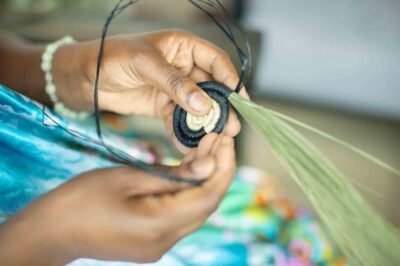 ★ 4.8Traditional Basket Weaving in a GardenFrom $3041 reviews
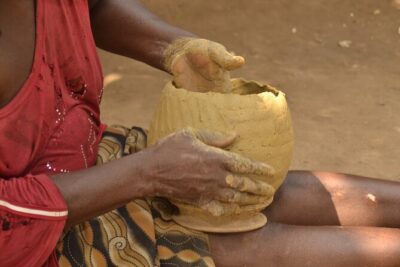 ★ 5.0Choose Your Traditional Craft ExperiencesFrom $3018 reviews
 ★ 5.0A Day in the Life of a Local ArtisanFrom $9014 reviews
 ★ 4.6Traditional Kubumba Pottery Making with Local WomenFrom $3012 reviews
 ★ 4.8Traditional Imigongo Painting with an Incredible ViewFrom $3010 reviews
 ★ 5.0Painting with Delicious CoffeeFrom $309 reviews
 ★ 5.0Imigongo Painting ClassFrom $155 reviews
 ★ 5.0Kigali’s Art Tour with AlineFrom $253 reviews
Other lists it sits in