
REVIEW · RWANDAN COFFEE & TEA TOURS
Kigali: Traditional Coffee Experience ( Bean to Brew)
Coffee tastes better when you know the path. This Kigali bean-to-brew experience takes you from Rwanda’s coffee fields to a roastery, then finishes with an expert-led tasting in a Kigali coffee shop. I like how it links the work in the fields to what you smell and taste in the cup, and how the whole thing stays hands-on rather than lecture-only.
I love hands-on roasting, including both traditional and modern techniques, because you actually learn by doing. I also like the cultural exchange with local experts at the tasting stop, where blends and methods make sense instead of sounding abstract. One consideration: transportation is not included, so you will need your own way to get to Umurishyo Arts Gallery and back.
In This Review
- Key things to know before you go
- Coffee fields to a Kigali cup: how the experience actually flows
- Getting started at Umurishyo Arts Gallery, and planning your timing
- The coffee field stop: learning how Rwanda grows its coffee
- Roastery time: traditional and modern roasting you can actually do
- The Kigali tasting: turning roast knowledge into flavor
- Value and price: is $50 per person a fair deal?
- Who this tour is best for (and who should skip it)
- Weather, group size, and small practical tips
- Should you book the bean-to-brew coffee experience in Kigali?
- FAQ
- How long is the Traditional Coffee Experience in Kigali?
- What is the meeting point for the tour?
- Does the tour include transportation?
- What is the price per person?
- How many people are in the group?
- What happens if the weather is bad or I need to cancel?
Key things to know before you go
- Field-to-cup workflow: you see cultivation first, then roasting, then tasting
- Traditional plus modern roasting: you learn techniques you can compare and use at home
- Expert-led tasting in Kigali: you try several blends and talk through what makes them different
- Small group size: maximum 20 travelers, so questions do not get lost
- Mobile ticket: simple check-in at the start point in Kigali
Coffee fields to a Kigali cup: how the experience actually flows

This is a straightforward, practical kind of tour. You start out in Rwanda’s coffee-growing area and get the “where it begins” part first, then you move into roasting, and finally you wrap up in a Kigali coffee shop with an organized tasting. It is built around one idea: if you understand the process, you enjoy the coffee more.
For you, the payoff is less about collecting facts and more about recognizing cause and effect. When roasting changes, flavor changes. When cultivation practices change, the coffee you roast has a different baseline. You can taste that logic in the final session, especially if you are the type who likes to pay attention to scent, acidity, and aftertaste.
If you are expecting a long, all-day adventure, this is not that. It is about 2 hours, so it moves at a good pace and keeps your attention on the task at hand.
From bean to cup, a few more estates
- Kigali: Traditional Coffee Experience ( Bean to Brew)★ 4.8 · 54 reviews
- Specialty Coffee Masterclass★ 5.0 · 33 reviews
- Women-led Coffee Farm Trek★ 5.0 · 19 reviews
- Rwandan Coffee Experience★ 5.0 · 10 reviews
Getting started at Umurishyo Arts Gallery, and planning your timing
Your start point is Umurishyo Arts Gallery, KG 206 St, Kigali. The activity ends back at the meeting point, so you are not stuck finding a different place to meet your next plan.
The tour has a mobile ticket, and confirmation comes at booking. Service animals are allowed, and it is described as near public transportation, which matters if you are trying to keep costs down.
What you should plan for: because private transportation is not included, you will want to arrange your own ride or transit to the gallery. If your schedule in Kigali is packed, choose a time when you can arrive a little early so the day does not feel rushed.
Also, it is booked ahead on average, around 16 days in advance. That does not mean you cannot get in later, but it is smart to book sooner if your trip dates are tight.
The coffee field stop: learning how Rwanda grows its coffee

You begin in the coffee fields, where you can see the work behind the beans. This part is not just scenery. It is where you learn what cultivation looks like in practice, guided by local farmers.
The experience focuses on two big themes you can actually use:
- how coffee is handled with care from the ground up
- how sustainable practices are part of the way the community works
Even without fancy jargon, this stop helps you understand what you are tasting later. Coffee is not one uniform product. Growing choices shape the coffee’s character, and when you shift from the fields to roasting, you start to see why certain blends taste the way they do.
If you care about ethical travel, this field portion is a strong start because it connects your cup to the people doing the daily work. It is also the best time to ask questions, since you are in the place where most of the inputs make sense.
Roastery time: traditional and modern roasting you can actually do
Next comes the roastery, where the fun part kicks in. You participate in hands-on roasting, with local experts explaining the intricacies of both traditional and modern roasting methods.
Why this matters for you: roasting is where many people stop understanding coffee. Most folks can buy beans, grind them, and brew them, but they never see what heat, timing, and technique really do. Here, you get the chance to connect the process to the outcome.
What you should look for during roasting:
- the color shift and what it suggests about roast level
- the aroma changes as roasting progresses
- how different methods can lead to different flavor directions
Because the experience includes both traditional and modern approaches, you have a built-in comparison. You are not just copying one process you will forget. You are learning how technique choices lead to results.
Practical note: wear something comfortable and be ready to move. Roasting-style activities are usually hands-on, and you will be standing and watching closely, not just sitting for a demo.
The Kigali tasting: turning roast knowledge into flavor
The tour ends at a Kigali coffee shop, where you get an exclusive tasting session. This is where the earlier steps pay off. You will sample a variety of blends made with precision, each tied to the story of Rwanda’s coffee.
A tasting can be a little hit-or-miss on tours, but this one is designed to be discussion-heavy. You talk with local experts and with fellow coffee enthusiasts, so you learn the why behind the what. That is also where you can test your own instincts. If you think a blend tastes brighter or heavier, you can ask what caused that shift.
What to pay attention to during tasting:
- whether the coffee feels sharp or smooth at first sip
- what happens after swallowing, meaning the lingering notes
- how the different blends relate back to cultivation and roasting
If you already make coffee at home, you are likely to get extra value here. One of the best parts of this kind of tour is that you leave with a clearer sense of how to adjust your own brewing based on roast character and blend style.
Value and price: is $50 per person a fair deal?
At $50 per person, this tour sits in a reasonable range for a guided, hands-on experience that includes field time, roastery instruction, and a guided tasting. It also includes all fees and taxes, which helps you avoid the surprise add-ons that pop up later.
Where the value really shows is in the structure. You are not paying for a photo stop. You are paying for multiple phases of the coffee process, including the part most people never try: roasting.
Two more points make it feel like good value:
- The group is capped at 20 travelers, which tends to mean more attention and more chances to ask questions.
- It ends back at the meeting point, so you are not dealing with awkward logistics afterward.
The only clear cost friction is transportation, since private transport is not included. If you are already moving around Kigali on your own, that may not matter much. If you are staying far from the gallery area, you will want to budget for a ride.
More cups worth queueing for in Kigali


Who this tour is best for (and who should skip it)
This works best if you like coffee beyond the basics. You will enjoy it most if you care about how something is made, and you are curious enough to ask why one roast tastes different from another.
It also makes sense for:
- couples or friends who want a shared activity
- anyone who enjoys workshops or hands-on learning
- coffee drinkers who want a deeper appreciation without pretending they are a barista
You might want to choose a different type of activity if:
- you have almost no interest in coffee beyond drinking it
- you hate short, structured tours and prefer all-day wandering
- you cannot handle your own transportation planning since it is not included
Weather, group size, and small practical tips
This experience requires good weather. If it is canceled due to poor weather, you will be offered a different date or a full refund. That is not just fine print. Weather can affect the comfort and feasibility of the field portion.
The group is limited to a maximum of 20 travelers. That size is big enough to have a lively vibe, small enough that you can usually stay engaged.
Before you go, I suggest you bring:
- a hat or light layer, since roasting and outdoor stops can vary in temperature
- a phone with enough battery for quick notes on what you liked tasting
- curiosity. This tour is built for questions.
Should you book the bean-to-brew coffee experience in Kigali?
I think you should book if you want a real process-driven coffee day. The mix of coffee fields, hands-on roasting, and an expert-led tasting is what turns it from a nice outing into a skill you can carry home.
It is also a strong choice if you like travel experiences that connect your meal or drink to the people behind it. You get that connection without needing to hunt for it yourself.
I would hesitate if your trip timing is tight and you rely on included transport. You will need to handle getting to Umurishyo Arts Gallery and back, and weather can affect whether the plan stays the same.
If your goal is to leave Kigali with better coffee instincts, not just better photos, this is the kind of tour that delivers.
FAQ
How long is the Traditional Coffee Experience in Kigali?
It runs for about 2 hours.
What is the meeting point for the tour?
You start at Umurishyo Arts Gallery, KG 206 St, Kigali, Rwanda.
Does the tour include transportation?
No. Private transportation is not included.
What is the price per person?
The price is $50.00 per person.
How many people are in the group?
The maximum group size is 20 travelers.
What happens if the weather is bad or I need to cancel?
The experience requires good weather. If it is canceled due to poor weather, you will be offered a different date or a full refund. You can cancel for a full refund up to 24 hours in advance; within 24 hours, the amount paid is not refunded.
Coffee Stops Around Kigali


More Coffee and Tea Country
More Tour Reviews in Kigali

More of Rwanda, reviewed
- Private Memorial Day Tour Ntarama and Nyamata
★ 5.0 · 3 reviews - Ntarama and Nyamata Genocide Memorial Day Tour
★ 4.5 · 3 reviews - From Kigali: 8 Hour Day-trip Lake Kivu Cruise Experience
★ 4.5 · 3 reviews - Bar Hopping Tour in Kigali Nightclubs
★ 4.0 · 3 reviews - Kigali City Tour and Sightseeing
★ 5.0 · 3 reviews
The rest of Rwandan Coffee & Tea Tours.
 ★ 4.8Traditional Coffee Experience ( Bean to Brew)From $5054 reviews
 ★ 5.0Specialty Coffee MasterclassFrom $5033 reviews
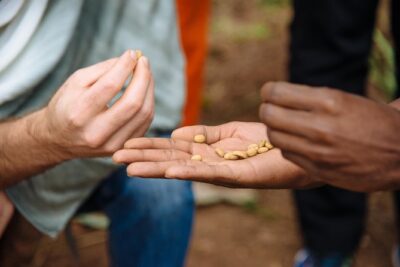 ★ 5.0Women-led Coffee Farm TrekFrom $15019 reviews
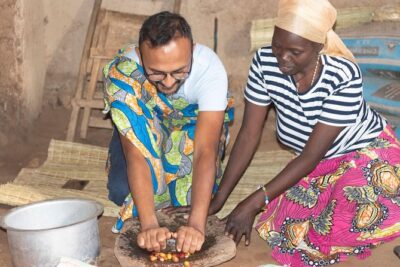 ★ 5.0Rwandan Coffee ExperienceFrom $9010 reviews
 ★ 5.0Painting with Delicious CoffeeFrom $309 reviews
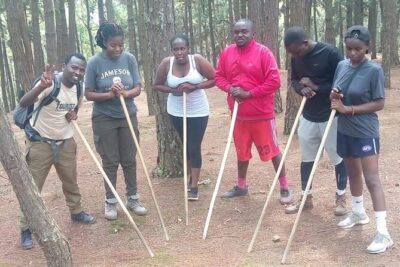 ★ 5.0Local Community Tour(Cultural, Coffee,Village walk,Local food)From $1708 reviews
 ★ 5.0Tea and coffee toursFrom $803 reviews
 ★ 4.51-Day Lake Kivu Karongi Boat Cruise & Coffee farming with LunchFrom $3803 reviews
Other lists it sits in