
REVIEW · RWANDAN COFFEE & TEA TOURS
Women-led Coffee Farm Trek
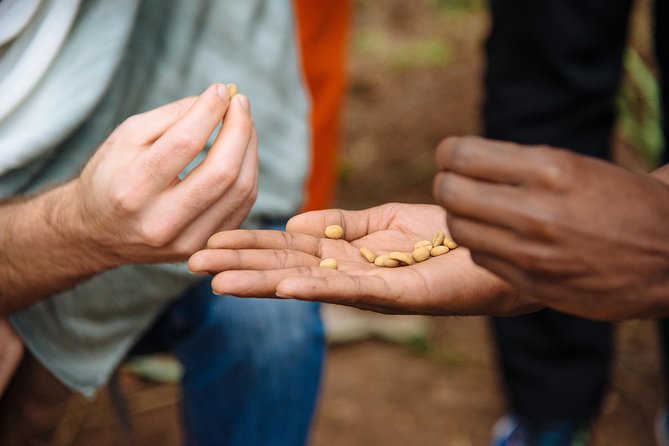
Coffee in Kigali has a purpose. This women-led coffee farm trek takes you just outside Akagera National Park to see how Rwanda’s delicate beans are worked, washed, and roasted step by step. I love the women-led focus and the small-group size, which makes the day feel personal instead of rushed. The one thing to keep in mind is that the tour requires good weather.
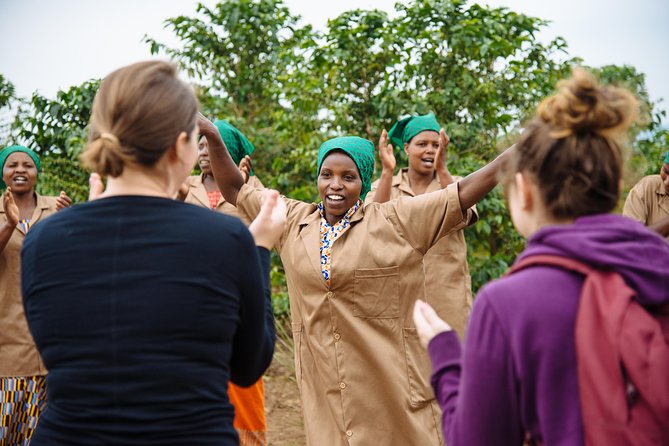
You start with a warm greeting at the Women’s Opportunity Center area at URUGO Eco-Lodge, and many groups get pulled into singing and dance right away. I also like that lunch is included, so you can stay present during the hands-on parts instead of hunting for food mid-morning. The handicrafts stop adds a different kind of insight, beyond coffee production alone.
Plan for an active half-day to full-day outing. You meet at Question Coffee Gishushu at 8:00 am and the tour runs about 8 hours, ending back at the same meeting point. If you’re traveling during COVID-era requirements, you should expect a negative test and a mask to be required, plus confirmation happens within 48 hours of booking (subject to availability).
In This Review
- Key things to know before you go
- A Kigali coffee trek with a clear mission
- Meeting at Question Coffee Gishushu, starting at 8:00 am
- URUGO Eco-Lodge and the Women’s Opportunity Center lunch stop
- From cultivation to roasting, how coffee becomes your morning cup
- Watching coffee work, not just coffee scenery
- Price and time, is $150 a smart value?
- Group size, guide energy, and what to expect during the day
- Accessibility and who this fits best
- Logistics that affect your comfort
- Should you book the Women-led Coffee Farm Trek?
- FAQ
- How long is the Women-led Coffee Farm Trek in Kigali?
- Where does the tour start and end?
- Is lunch included?
- How many travelers are in the group?
- What time does the tour start?
- Are there any COVID-19 requirements?
- What happens if the weather is bad?
- Is free cancellation available?
Key things to know before you go
- Women-led coffee work you can see up close, not just hear about
- A small group capped at 15 travelers, which makes questions actually get answered
- Lunch included at URUGO Eco-Lodge at the Women’s Opportunity Center
- A Women’s Opportunity Center stop with handicrafts and more
- A morning start at Question Coffee Gishushu, so coffee culture is in the air from the first minute
- Good-weather dependent, so have flexibility in your Kigali days
A Kigali coffee trek with a clear mission
Rwanda’s coffee has a reputation for delicate flavors, and this tour is designed to explain why. Instead of treating coffee like a magic product you buy in a shop, you follow the chain from how beans are grown and harvested to how they’re processed and roasted. That kind of context changes how you taste coffee later, even if you don’t notice it in the moment.
What makes this experience feel worthwhile is the way it ties coffee production to real people and real work led by women. You’re not just visiting a farm view, you’re seeing a working system that supports livelihoods. And because the group is limited to 15 people, you’re more likely to get the story behind the steps, not just the steps themselves.
One practical note: this is outdoors and weather matters. When conditions are poor, your day may shift or be refunded, so if you’re scheduling tightly, keep a little breathing room.
From bean to cup, a few more estates
- Kigali: Traditional Coffee Experience ( Bean to Brew)★ 4.8 · 54 reviews
- Specialty Coffee Masterclass★ 5.0 · 33 reviews
- Women-led Coffee Farm Trek★ 5.0 · 19 reviews
- Rwandan Coffee Experience★ 5.0 · 10 reviews
Meeting at Question Coffee Gishushu, starting at 8:00 am
The tour begins at Question Coffee Gishushu, located at 8 KG 8 Ave in Kigali. You start at 8:00 am, and you’re back at the same meeting point when the day is done. That round-trip setup is helpful if you’re staying in Kigali and want a clean, simple plan without extra transfers you have to manage yourself.
Because the tour includes coffee-focused activities and a lunch stop, arriving early also helps you get settled. The meeting point being a coffee venue matters, it sets the tone fast. You’ll also be able to get your bearings for the day before heading out.
You should also be ready for a small-group pace. With a maximum of 15 travelers, the day tends to flow with fewer bottlenecks, but you still want to show up on time so you don’t slow down the whole plan.
URUGO Eco-Lodge and the Women’s Opportunity Center lunch stop
Your first stop is URUGO Eco-Lodge at the Women’s Opportunity Center, where lunch is provided. This is also where you get more than just a coffee lesson. The Women’s Opportunity Center is a chance to see handicrafts and other forms of women-led work, which helps connect the dots between agriculture, skills, and income.
This part of the day is often where the emotional tone kicks in. In particular, one guide you might meet, Patty, is known for being friendly and involved, and groups have described a welcome with song and a chance to join in the dance. Even if you’re not the dancing type, you’ll likely find it’s an easy way to break the ice and settle into the local vibe quickly.
Why lunch here is a big deal: you don’t have to bolt from activity to activity searching for food. The tour gives you an in-between moment to refuel while still staying within the flow of the day. You can focus on listening and asking questions instead of managing hunger.
What to watch for at this stop is energy. There’s a lot happening, greeting, orientation, and then lunch, all before the coffee education really gets going. If you’re easily tired by crowds, this is still manageable because the group stays small, but it may feel lively.
From cultivation to roasting, how coffee becomes your morning cup
After lunch, you shift into the coffee mechanics. The core promise of this tour is a clear look at how the beans are harvested, roasted, and more, so you understand every major step that leads to your next cup. Rwanda’s coffee is known for delicate flavors, and processing choices can strongly influence what you end up tasting.
Here’s how to think about what you’re seeing, in plain terms.
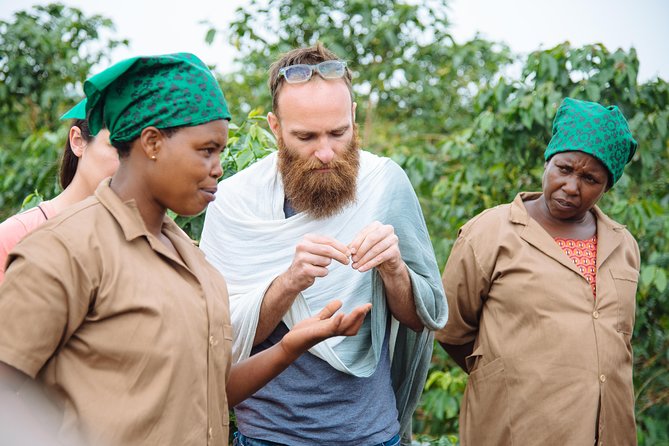
First, cultivation and harvesting are about what’s happening before the beans ever reach a machine. The farm work you observe gives you clues about why beans can taste the way they do later. When farmers explain their method, pay attention to timing and care, because those details often show up in flavor and consistency.
Next comes processing. You’ll learn how the beans are washed and prepared, and this is where coffee science meets real-world labor. Washing steps help clean the beans and control fermentation influences, which can affect acidity and clarity in the final cup. Even if you don’t memorize the chemistry, you can connect the dots between what you see and what you taste later.
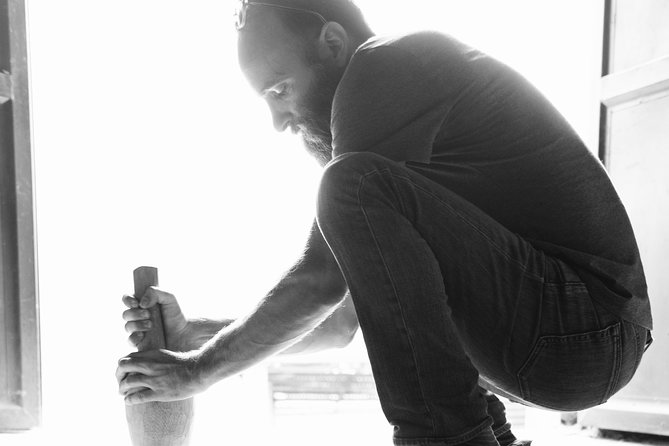
Finally, roasting. Seeing roasting helps you understand that coffee isn’t only about where it grows. Roast level changes aroma, body, and bitterness. When you watch the roast and hear how it’s handled, you get a more grounded idea of why coffee from the same region can taste different depending on preparation.
Practical tip for this section: take notes lightly or take a few photos, but prioritize listening. The most useful takeaway is not the look of a machine, it’s how the people running the process explain the choices they make.
Watching coffee work, not just coffee scenery
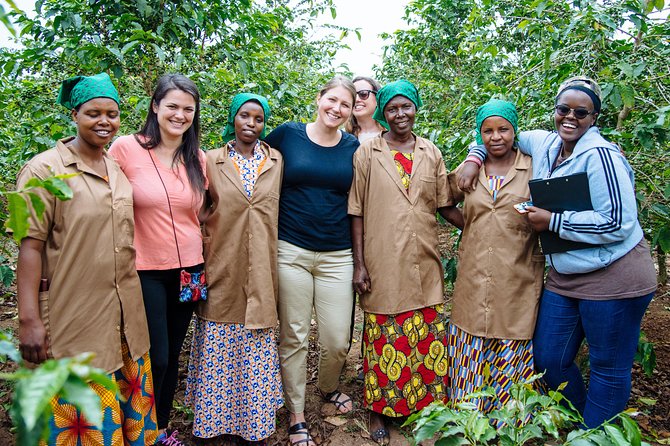
One of the biggest value points here is that you’re not stuck in a viewing role. You’re guided through a chain of production, which makes you a participant in understanding. That’s why a small group helps. With up to 15 travelers, it’s easier to ask questions about washing, roasting, and the day-to-day reality of working the land.
You’ll also get the kind of answer that never shows up on a menu. Instead of generic phrases like smooth or chocolatey, you can ask what stage influences what you’re experiencing. That’s where the tour earns its place, because coffee becomes a story with real steps attached.
If you want to get more out of it, come with one simple question. For example, ask what processing step matters most for the final flavor. Then use the rest of the day to see how your question fits what you’re taught.
Price and time, is $150 a smart value?
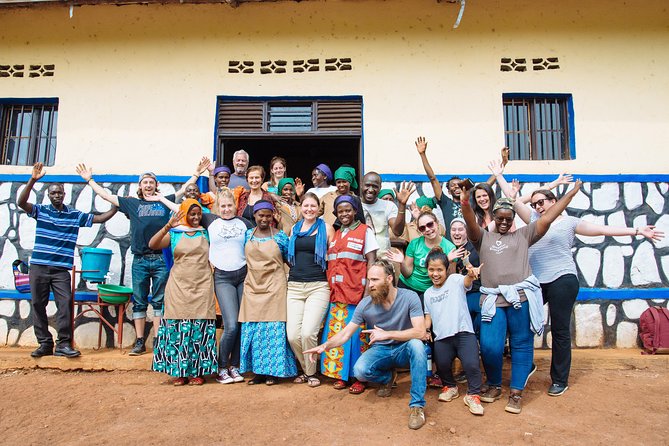
The price is $150.00 per person for an experience that runs about 8 hours. For many people, the question is whether that’s fair compared to other Kigali tours.
Here’s what supports the value. You’re paying for a full day with a limited group, transport out of the city, a lunch included at URUGO Eco-Lodge, and an admission ticket that comes with your Women’s Opportunity Center stop. You’re also getting a structured coffee education that covers cultivation, harvesting, washing, roasting, and preparation.
Is it the cheapest thing you can do in Kigali? No. But you’re buying a full, guided, meaning-heavy experience that connects coffee tasting culture to women-led work. If coffee is one of your travel interests, the cost starts to make sense because you’re learning the backstory behind a product you already care about.
Also, this is an experience that people tend to book ahead. On average, it’s booked 27 days in advance. If you’re traveling in a busy season, booking around a month out is a smart move so you don’t end up with no seats.
More trails and summits around Kigali



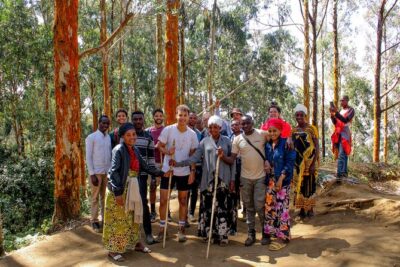
Group size, guide energy, and what to expect during the day
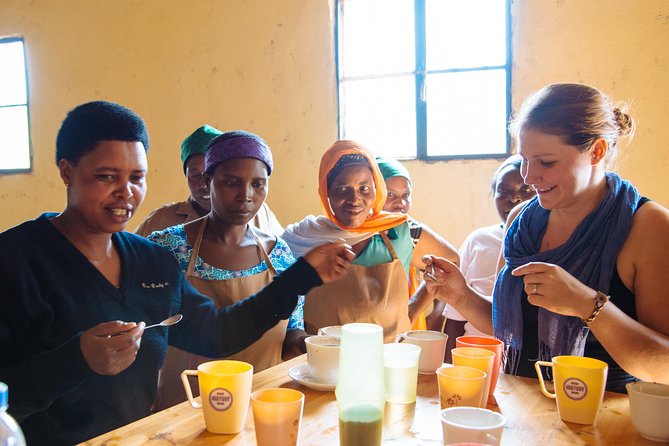
This tour is capped at 15 travelers, and that changes the vibe. In smaller groups, you get more interaction. You’re less likely to feel like you’re watching from the edge while someone else drives the conversation.
Guide quality matters a lot on experiences like this, and one guide name that shows up in the feedback is Patty. Groups have highlighted Patty’s helpfulness and willingness to join in across the tour. That kind of guide energy is not just entertainment, it makes the education feel human and easier to follow.
You should also expect a friendly, upbeat welcome at the Women’s Opportunity Center area. Singing and dance are described as part of the arrival experience, and you may be invited to join. If you’re shy, treat it like a quick cultural moment, not a performance requirement.
A small caution: you’re likely to be moving and standing for parts of the day, especially around active farm-related stops. Comfortable shoes help you enjoy the work without feeling cranky by lunchtime.
Accessibility and who this fits best
The tour notes that most travelers can participate, and service animals are allowed. That’s a good sign if you need extra accommodations. Still, because the day runs around 8 hours and includes outdoor farm elements, it’s wise to choose this if you can handle a moderate walking and standing schedule.
This is also a strong fit if you:
- want a Kigali day that goes beyond city sights
- care about coffee as a culture and a product
- like tours where women-led livelihoods are central, not background
- prefer smaller groups and guided conversation over a bus-and-photo routine
If you’re only looking for scenic viewpoints, this might feel more education-focused than postcard-focused. But if you enjoy learning how things work, it’s a great match.
Logistics that affect your comfort
The day starts at 8:00 am at Question Coffee Gishushu and ends back at the meeting point. That simple start and finish keeps your planning easy, especially if you’re using Kigali as your base. You’ll receive confirmation within 48 hours of booking, and you should plan your schedule around that.
You’ll also want to note the operational requirement for good weather. Since the experience depends on conditions, you should avoid stacking too many tight commitments on the same day. If poor weather cancels the tour, you’ll be offered a different date or a full refund.
If you’re traveling during a period where COVID rules are active, a negative COVID-19 test and a mask are required. Check your current travel documents and requirements before you go, and keep the masks handy.
Finally, you’ll receive a mobile ticket. That’s one less paper thing to worry about.
Should you book the Women-led Coffee Farm Trek?
If you love coffee, this is an easy yes. It’s not just a tasting stop, it’s a working-process tour that shows cultivation, harvesting, washing, roasting, and the path to the cup you already know. The women-led focus is not a side note, it’s the center of the day, with the Women’s Opportunity Center and handicrafts adding another layer.
I’d say book this if you want a small-group experience with a real sense of purpose and you’re okay with an outdoors, active schedule. It’s also a great way to spend a Kigali day without feeling like you’re repeating standard sightseeing.
Skip it or reschedule if your plans are so tight you can’t handle a weather shift. Because the tour requires good weather, flexibility is your friend. If your dates are fixed and rain is likely, you might want to keep a backup activity in Kigali.
Overall, for $150 you’re buying a full guided day with lunch, entry to the Women’s Opportunity Center area, and a coffee education that you’ll remember the next time you order a cup.
FAQ
How long is the Women-led Coffee Farm Trek in Kigali?
It runs for about 8 hours (approx.).
Where does the tour start and end?
It starts at Question Coffee Gishushu, 8 KG 8 Ave, Kigali, Rwanda, and ends back at the same meeting point.
Is lunch included?
Yes. Lunch is provided at URUGO Eco-Lodge at the Women’s Opportunity Center.
How many travelers are in the group?
The tour has a maximum of 15 travelers.
What time does the tour start?
The start time is 8:00 am.
Are there any COVID-19 requirements?
Negative COVID-19 test results and a mask are required.
What happens if the weather is bad?
The experience requires good weather. If it is canceled due to poor weather, you’ll be offered a different date or a full refund.
Is free cancellation available?
Yes. You can cancel up to 24 hours in advance for a full refund. If you cancel less than 24 hours before the start time, the amount paid is not refunded.
Where the Paths Go, Kigali



More Coffee and Tea Country



More Tour Reviews in Kigali


More of Rwanda, reviewed
- Private Memorial Day Tour Ntarama and Nyamata
★ 5.0 · 3 reviews - Ntarama and Nyamata Genocide Memorial Day Tour
★ 4.5 · 3 reviews - From Kigali: 8 Hour Day-trip Lake Kivu Cruise Experience
★ 4.5 · 3 reviews - Bar Hopping Tour in Kigali Nightclubs
★ 4.0 · 3 reviews - Kigali City Tour and Sightseeing
★ 5.0 · 3 reviews
The rest of Rwandan Coffee & Tea Tours.
 ★ 4.8Traditional Coffee Experience ( Bean to Brew)From $5054 reviews
 ★ 5.0Specialty Coffee MasterclassFrom $5033 reviews
 ★ 5.0Rwandan Coffee ExperienceFrom $9010 reviews
 ★ 5.0Painting with Delicious CoffeeFrom $309 reviews
 ★ 5.0Local Community Tour(Cultural, Coffee,Village walk,Local food)From $1708 reviews
★ 5.0Traditional Coffee Experience ( Bean to Brew)From $506 reviews
★ 5.0Local Community Tour(Cultural, Coffee,Village walk,Local food)From $1708 reviews
★ 5.0Traditional Coffee Experience ( Bean to Brew)From $506 reviews
 ★ 5.0Tea and coffee toursFrom $803 reviews
 ★ 4.51-Day Lake Kivu Karongi Boat Cruise & Coffee farming with LunchFrom $3803 reviews
Other lists it sits in