

REVIEW · RWANDAN COFFEE & TEA TOURS
Kigali: Traditional Coffee Experience ( Bean to Brew)
Coffee starts before the cup.
This Kigali bean-to-brew experience takes you from careful work in the coffee fields to a hands-on roasting session, then finishes with an exclusive tasting. What I like is the full process focus, plus the chance to talk with local experts about how Rwanda’s coffee is grown and made.
I also like that the day mixes traditional techniques (including pounding coffee) with modern roasting methods, so you can compare approaches rather than just watch. One thing to consider: it is not suitable for people with food allergies, and the activity also does not include transportation to the meeting point.
In This Review
- Key Things I’d Circle on Your Kigali Coffee Day
- Bean-to-Cup Coffee in Kigali: What Makes This Day Work
- Umurishyo Arts Gallery: Your Base in the Middle of Kigali
- The Coffee Fields Start: What You’ll Learn Before Roasting
- Traditional Steps and Modern Roasting: The Hands-On Part That People Love
- Traditional roasting and fruit-to-bean style work
- Modern roasting techniques
- Brewing and Tasting in Kigali: From Black to Ginger
- Cultural Exchange at an Arts Center, Not a Set Piece
- Who’s Doing the Explaining: Guides, Language, and Pace
- Duration and Timing: 150 Minutes to 3 Hours That Feels Decent
- Price and Value: Is $50 Worth It in Kigali?
- Practical Tips So You Enjoy the Whole Process
- Who Should Book This Kigali Coffee Workshop?
- Should You Book This Bean-to-Brew Day in Kigali?
Key Things I’d Circle on Your Kigali Coffee Day

Field-to-cup flow that goes beyond a quick tasting.
Hands-on roasting using both traditional and modern techniques.
Tastings you can actually talk about, including options like ginger-prepared coffee.
Cultural extras tied to the arts center, including crafts made with support from their NGO.
English, French, or Swahili with guides who take time to explain.
Bean-to-Cup Coffee in Kigali: What Makes This Day Work

If you love coffee, you know the moment that changes everything is when the drink stops being a mystery. This experience is built to remove the mystery. You’ll move through stages that mirror what happens to coffee in Rwanda, from cultivated fruit to roasted beans to brewed cups.
I like that it is not just passive. You are guided, yes, but you are also doing. That matters because coffee is hands-on work: you feel the process, you smell the roast changes, and you start connecting flavors to decisions. When you finish with a tasting session, it lands harder because you’ve actually been part of the work.
A bonus is that the setting is not only about coffee. Umurishyo Arts Gallery is part of the story, tied to community support and local creativity. That gives the coffee day a human layer, not just a menu.
From bean to cup, a few more estates
- Kigali: Traditional Coffee Experience ( Bean to Brew)★ 4.8 · 54 reviews
- Specialty Coffee Masterclass★ 5.0 · 33 reviews
- Women-led Coffee Farm Trek★ 5.0 · 19 reviews
- Rwandan Coffee Experience★ 5.0 · 10 reviews
Umurishyo Arts Gallery: Your Base in the Middle of Kigali
Your meeting point is Umurishyo Arts Gallery. Using a cultural center as the hub changes the rhythm of the day. Instead of driving out and disappearing into farmland for hours, you get a coffee experience anchored in a place you can actually explore.
One of the most common reactions is that visitors expect a simple coffee farm visit, then find a well-run cultural center with activities going on around it. You may even see welcome moments like drums when you arrive, which sets a celebratory tone from the start.
Why this matters for you: it makes the whole experience feel more like a community visit and less like a one-way tour. If you like talking with people, this setup is friendlier. And if you only have a half-day in Kigali, it is an efficient way to do something memorable without needing complex travel logistics.
The Coffee Fields Start: What You’ll Learn Before Roasting
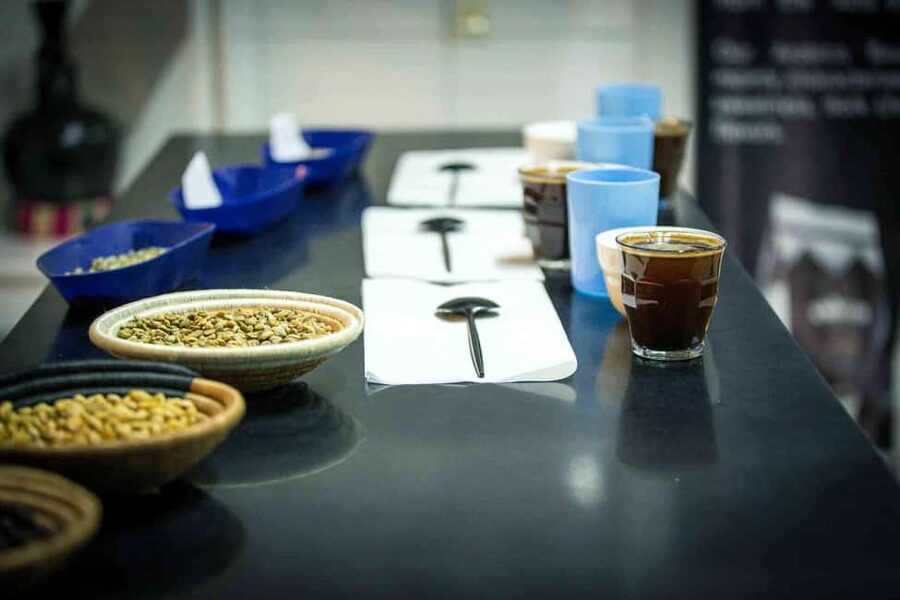
The day begins with a guided tour of the coffee fields at the coffee shop. “At the coffee shop” might sound short on its own, but the point here is the sequence. You’re building the story from the start, not jumping straight to roasting.
In practice, you’re shown the meticulous cultivation process guided by local farmers. You’ll hear about Rwanda’s coffee practices and how the community supports sustainable growing. The goal is simple: by the time you reach the roastery phase, you should understand what you are working with and why the coffee’s journey begins long before the smell of roast hits the air.
This first stage also helps you avoid a common coffee-tasting mistake. If you only taste, you may assume one roast style equals one flavor outcome. When you start with cultivation and processing context, you start noticing how the bean’s journey influences what you end up drinking.
Traditional Steps and Modern Roasting: The Hands-On Part That People Love
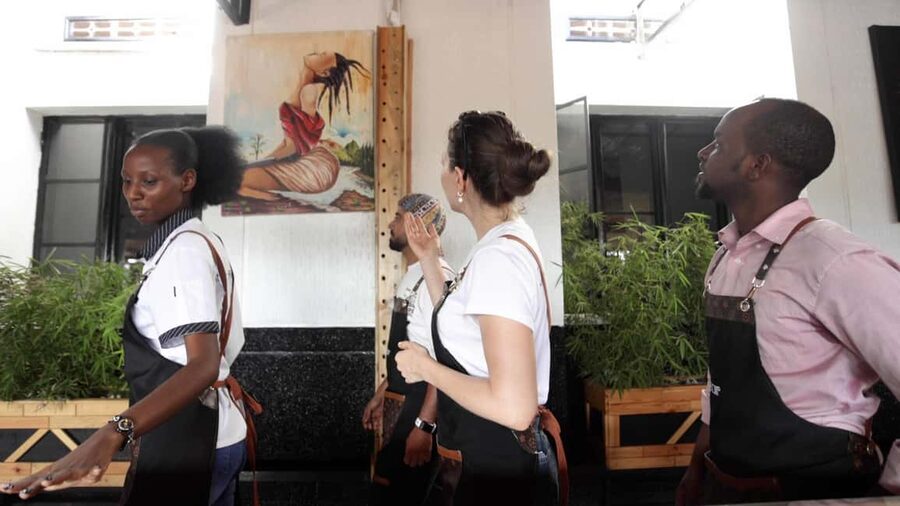
After the fields, you transition to the roastery where you participate in both traditional and modern roasting methods. This is one of the most praised parts of the experience, because you are not just tasting differences, you are learning how those differences happen.
Traditional roasting and fruit-to-bean style work
In several accounts, you get hands-on involvement through multiple stages, including opening the fruit and pounding coffee as part of the traditional process. That pounding part is real work, not a prop. It also makes the day feel authentic because it forces you to respect how much effort coffee takes before it becomes a beverage.
Modern roasting techniques
Then you shift to modern roasting methods. Even if you do not get into a full technical breakdown, you will still see that roasting is not one step. It is timing, heat control, and attention. You’ll learn the way local experts explain how each step changes the result in the cup.
For value, this pairing is key. Many coffee workshops pick one approach and stop there. Here you can compare two styles of roasting within the same overall day, which makes your tasting session more meaningful.
More cups worth queueing for in Kigali


Brewing and Tasting in Kigali: From Black to Ginger

The journey ends in a charming Kigali coffee shop with an exclusive tasting session. This is where you turn “learning” into “flavor memory.”
You sample a variety of blends crafted with precision. The guides explain what you are tasting, and that’s why the workshop format works. You are not just handed cups. You are encouraged to connect the roast and processing steps you practiced to the final brew.
One memorable detail from feedback is that coffee options can include black coffee and coffee prepared with ginger. I like that this expands the tasting frame. It lets you experience Rwanda coffee flavors in a more playful way, not only as straight black coffee.
There is also a sense of closure at the end of the session. Some guests mention receiving a certificate, which is a nice touch if you’re the kind of person who likes proof of accomplishment.
Cultural Exchange at an Arts Center, Not a Set Piece
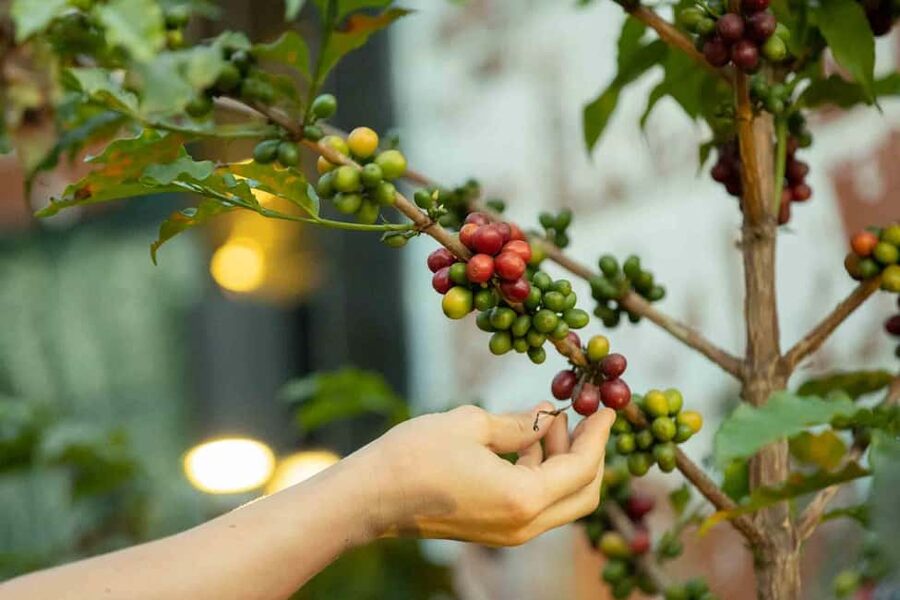
Coffee is the headline, but the cultural exchange is a real part of the experience. Umurishyo Arts Gallery is tied to community support and local crafts, and the coffee workshop is interwoven with that mission.
Several accounts highlight a strong community angle: the center was opened to fund an NGO, and the proceeds help get kids off the streets and back in school. You may also encounter artisan crafts made by those children. If you care about where your money goes, this setup adds weight to the experience beyond the coffee itself.
You can also get side moments that feel distinctly Rwandan and human, not “tourist entertainment.” People mention traditional music and dance elements, and in at least one case, games like Igisoro showed up as an extra cultural activity. If you want a day where conversation is part of the program, this is a good fit.
And if your guide is the type to share more of the city, you might get additional pointers. For example, one guide named Chaplan also showed a guest around Kimironko market, which went beyond the core coffee work.
Who’s Doing the Explaining: Guides, Language, and Pace
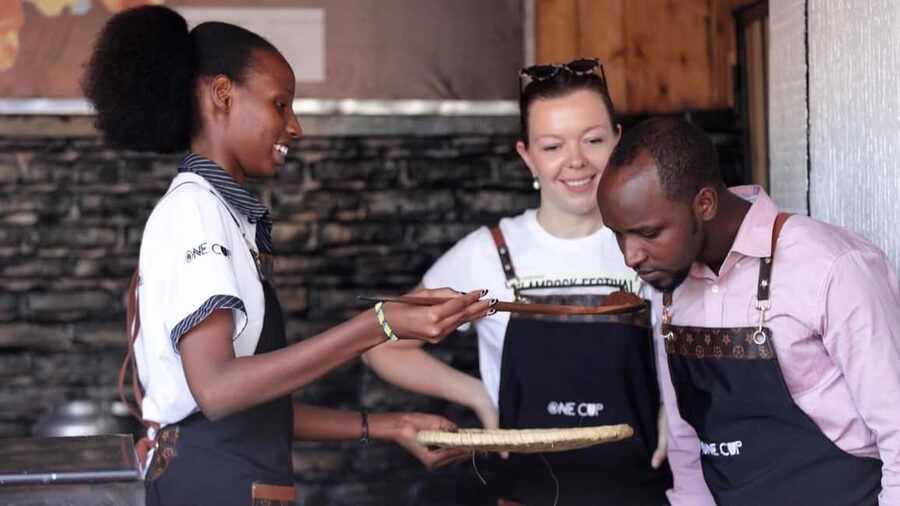
The activity lists instructors who speak English, French, and Swahili, and the tone you want in a workshop is patient and clear. In feedback, guides are repeatedly described as friendly, patient, and willing to take their time.
You’ll see names pop up often, which gives you a sense of the team. Guides such as Deborah, Gilbert, John, and Chaplan are mentioned by guests. Even if you do not know which guide you’ll get, the pattern is that the explanations happen at the pace of the group, not a rushed lecture.
Why this matters: coffee tasting can be intimidating if you feel you need a “trained palate.” A good guide makes it practical. You focus on what you can smell and what you can notice, not on passing a test.
Duration and Timing: 150 Minutes to 3 Hours That Feels Decent
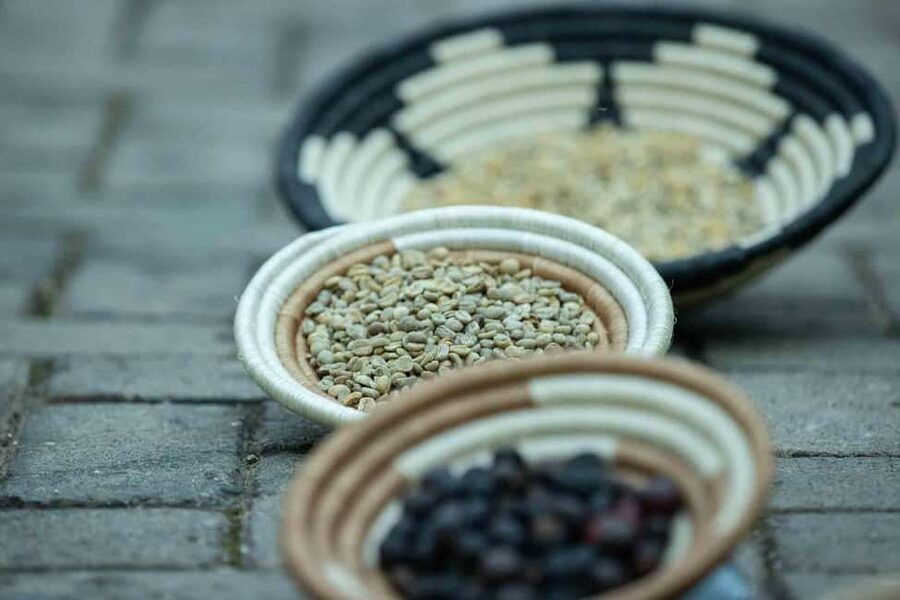
The experience runs about 150 minutes to 3 hours. That is a sweet spot. Long enough for a real hands-on roasting session and a meaningful tasting, short enough that it does not eat your whole day in Kigali.
If you’re planning your schedule, treat it like a half-day commitment. You’ll get multiple stages in a row: fields, roastery work, then tasting. That means you should avoid stacking it right before something that requires you to be totally fresh and focused.
Price and Value: Is $50 Worth It in Kigali?
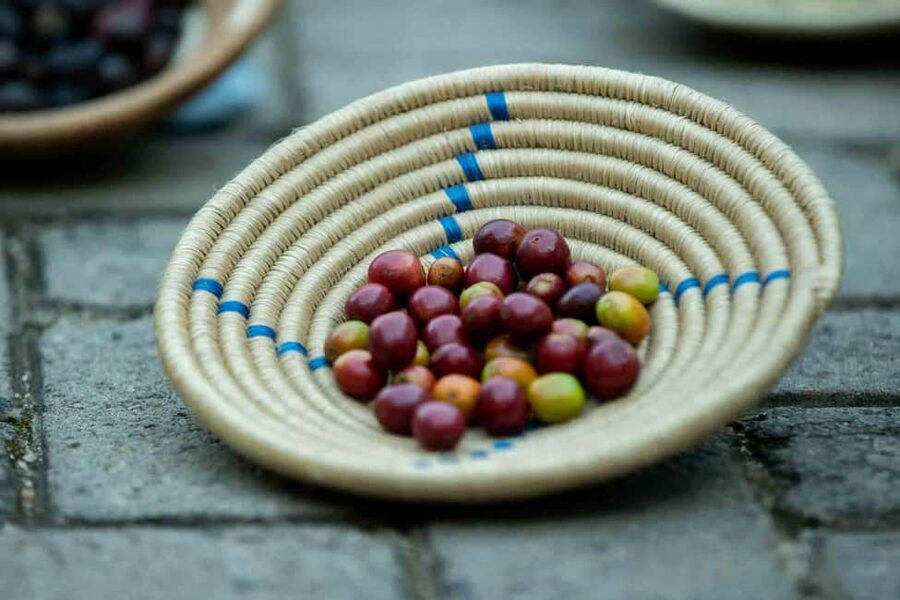
The price is $50 per person for about 3 hours. On the surface, it is not the cheapest activity in Kigali. But when you look at what is included, the value becomes easier to justify.
What you get included:
- Guided tour of coffee fields
- Hands-on roasting in both traditional and modern styles
- Exclusive tasting session with local blends
- Cultural insights from knowledgeable guides
- Support for local businesses and communities
Here is the honest value math I would use: you are paying for an experience that combines labor you participate in (not just observation), an expert-led process, and a tasting outcome you can relate to what you practiced. That is more than most “tasting only” sessions. Add in the community and crafts element tied to the arts center, and it feels like a day where your money supports multiple layers, not just a product sample.
You do need to plan for one exclusion: transportation to the meeting point is not included. If you’re already near Umurishyo Arts Gallery or can budget a short ride, that is manageable. If not, factor that cost into your real total.
Practical Tips So You Enjoy the Whole Process
A few things will help you get the most out of this day, especially if you’re a first-time coffee learner.
- Expect to get involved with physical steps, including work like pounding. Wear clothes you don’t mind getting coffee smells on.
- If you feel intimidated at the start, you’ll probably adjust quickly once you’re guided through each stage. The overall pace is meant to be learnable.
- During the tasting, ask questions while the process is fresh in your mind. You’ll notice more flavors when you connect them to the roasting choices you made.
Also, double-check your situation if you have food allergies. The activity is not suitable for people with food allergies, so it’s best to choose something else if this applies to you.
Who Should Book This Kigali Coffee Workshop?
This is a strong match for you if:
- You want a hands-on coffee experience instead of a sit-and-watch tour.
- You like learning how food and drink connect to real people, not just “where it comes from.”
- You enjoy conversation with local experts and want a cultural visit alongside the tasting.
It might be a weaker fit if:
- You have food allergies.
- You want a purely farm-focused day with lots of hiking or long rural travel. This experience is anchored at Umurishyo Arts Gallery and focuses heavily on the process and craftsmanship within that context.
- You prefer activities where you only observe. The program includes doing real steps.
Should You Book This Bean-to-Brew Day in Kigali?
If you’re choosing between a coffee tasting and a coffee workshop, I’d steer you toward this one. The reason is simple: you leave with tasting knowledge you can explain, because you practiced key steps first.
Book it if you want to combine Rwanda coffee craft with a community-centered arts and NGO mission, and if you’re comfortable rolling up your sleeves for roasting and traditional steps. Skip it if food allergies affect you, or if transportation hassles will make the meeting point difficult.
In Kigali, a $50, 3-hour bean-to-brew experience like this is a high-impact use of time. You get coffee, culture, and a real story behind the cup.
Coffee Stops Around Kigali


More Coffee and Tea Country

More Tour Reviews in Kigali



More of Rwanda, reviewed
- Private Memorial Day Tour Ntarama and Nyamata
★ 5.0 · 3 reviews - Ntarama and Nyamata Genocide Memorial Day Tour
★ 4.5 · 3 reviews - From Kigali: 8 Hour Day-trip Lake Kivu Cruise Experience
★ 4.5 · 3 reviews - Bar Hopping Tour in Kigali Nightclubs
★ 4.0 · 3 reviews - Kigali City Tour and Sightseeing
★ 5.0 · 3 reviews
The rest of Rwandan Coffee & Tea Tours.
 ★ 5.0Specialty Coffee MasterclassFrom $5033 reviews
 ★ 5.0Women-led Coffee Farm TrekFrom $15019 reviews
 ★ 5.0Rwandan Coffee ExperienceFrom $9010 reviews
 ★ 5.0Painting with Delicious CoffeeFrom $309 reviews
 ★ 5.0Local Community Tour(Cultural, Coffee,Village walk,Local food)From $1708 reviews
 ★ 5.0Traditional Coffee Experience ( Bean to Brew)From $506 reviews
 ★ 5.0Tea and coffee toursFrom $803 reviews
 ★ 4.51-Day Lake Kivu Karongi Boat Cruise & Coffee farming with LunchFrom $3803 reviews
Other lists it sits in